THE ADVENTURE COLLECTIVE® · Independent discovery and booking for outdoor travel

A full-day excursion from Riobamba that combines a high-altitude walk through Polylepis forest, glacier views from Chimborazo’s slopes, and a visit to the reflective Condor Cocha lagoon. Expect changing weather, thin air, and rich Andean landscapes.
A full-day excursion from Riobamba that combines a high-altitude walk through Polylepis forest, glacier views from Chimborazo’s slopes, and a visit to the reflective Condor Cocha lagoon. Expect changing weather, thin air, and rich Andean landscapes.
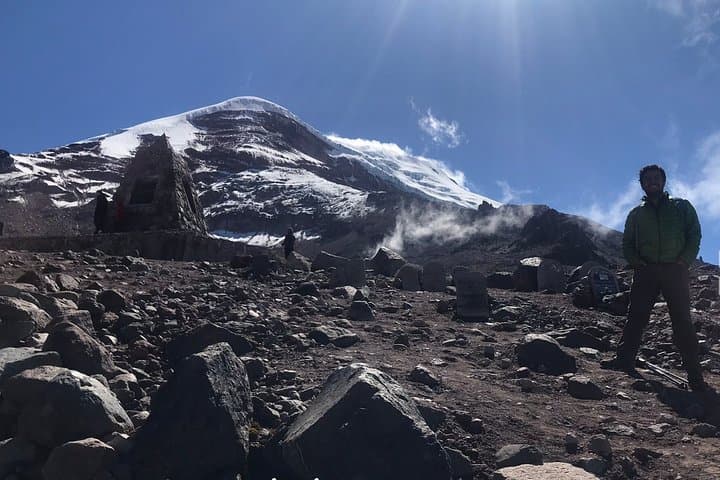
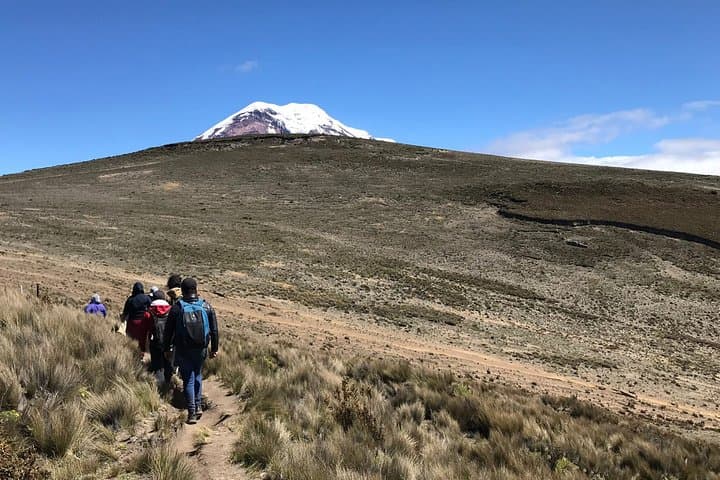
You step out of the minivan and the world rearranges itself: a broad, wind-cut plain, a polylepis-knot of trees clinging to red soil, and above it all Chimborazo pushing a white crown into the thinning air. The tour moves with a steady, purposeful pace — a walk through high Andean moor (páramo), time at the Polylepis stand called El Arenal, then higher toward Refugio Carrel where glaciers hold the horizon. Condor Cocha’s glassy surface reflects steep taluses and the blue of the sky; the lagoon feels like a lake that remembers glaciers.
Verified experiences and guided adventures in the surrounding area.
Operated by Perfect Destiny · Riobamba, Chimborazo Province
You step out of the minivan and the world rearranges itself: a broad, wind-cut plain, a polylepis-knot of trees clinging to red soil, and above it all Chimborazo pushing a white crown into the thinning air. The tour moves with a steady, purposeful pace — a walk through high Andean moor (páramo), time at the Polylepis stand called El Arenal, then higher toward Refugio Carrel where glaciers hold the horizon. Condor Cocha’s glassy surface reflects steep taluses and the blue of the sky; the lagoon feels like a lake that remembers glaciers.
Geology here is raw: Chimborazo is an eroded stratovolcano whose flanks expose heavy volcanic flows and glacial ice. Locally it’s a cultural landmark — a mountain long revered by Andean peoples and later mapped by colonial naturalists. The Polylepis pockets are ecological survivors, hosting mosses, birds, and endemic plants adapted to frost and wind. Keep an eye out for vicuña grazing on the slopes and, if the wind cooperates, an Andean condor riding the thermals.
Practical guidance: accommodate altitude — take it slow, hydrate, and use layered clothing; strong sun, cold wind, and rapid weather shifts are the norm. Trails range from packed dirt to rocky scree with short climbs; your guide paces groups and handles logistics including transport and lunch. Bathrooms are limited outside Riobamba; bring hand sanitizer. Camera batteries drain faster in cold; bring spare and protect lenses from moisture. This is a full-day mountain outing that rewards steady effort with expansive views, quiet highland lakes, and a close look at one of the Andes’ most storied volcanoes.
moderate.
7–9 hours.
Moderate fitness — able to walk on uneven ground and cope with high altitude; prior acclimatization recommended.
Chimborazo’s summit is ~6,263 m (20,548 ft); this day tour visits Refugio Carrel and viewpoints rather than summiting, which requires technical gear and acclimatization.
Yes — symptoms can occur even on easy walks; rest, hydrate, and inform your guide if you feel headache, nausea, or dizziness.
The tour includes lunch and hotel pick-up/drop-off; restroom facilities are limited outside Riobamba and at basic refuges.
Families can join, but children should be monitored closely for altitude effects and must be comfortable with long travel and cold conditions.
Chimborazo has cultural significance to Andean peoples and was later noted by explorers for being the point farthest from Earth’s center due to equatorial bulge.
The páramo and Polylepis patches are fragile; stay on trails, pack out waste, and avoid disturbing wildlife to protect high‑elevation habitats.
Perfect Destiny operates guided outdoor trips and adventures with an emphasis on safety, stewardship, and memorable experiences.
You step out of the minivan and the world rearranges itself: a broad, wind-cut plain, a polylepis-knot of trees clinging to red soil, and above it all Chimborazo pushing a white crown into the thinning air. The tour moves with a steady, purposeful pace — a walk through high Andean moor (páramo), time at the Polylepis stand called El Arenal, then higher toward Refugio Carrel where glaciers hold the horizon. Condor Cocha’s glassy surface reflects steep taluses and the blue of the sky; the lagoon feels like a lake that remembers glaciers.
You step out of the minivan and the world rearranges itself: a broad, wind-cut plain, a polylepis-knot of trees clinging to red soil, and above it all Chimborazo pushing a white crown into the thinning air. The tour moves with a steady, purposeful pace — a walk through high Andean moor (páramo), time at the Polylepis stand called El Arenal, then higher toward Refugio Carrel where glaciers hold the horizon. Condor Cocha’s glassy surface reflects steep taluses and the blue of the sky; the lagoon feels like a lake that remembers glaciers.
Geology here is raw: Chimborazo is an eroded stratovolcano whose flanks expose heavy volcanic flows and glacial ice. Locally it’s a cultural landmark — a mountain long revered by Andean peoples and later mapped by colonial naturalists. The Polylepis pockets are ecological survivors, hosting mosses, birds, and endemic plants adapted to frost and wind. Keep an eye out for vicuña grazing on the slopes and, if the wind cooperates, an Andean condor riding the thermals.
Practical guidance: accommodate altitude — take it slow, hydrate, and use layered clothing; strong sun, cold wind, and rapid weather shifts are the norm. Trails range from packed dirt to rocky scree with short climbs; your guide paces groups and handles logistics including transport and lunch. Bathrooms are limited outside Riobamba; bring hand sanitizer. Camera batteries drain faster in cold; bring spare and protect lenses from moisture. This is a full-day mountain outing that rewards steady effort with expansive views, quiet highland lakes, and a close look at one of the Andes’ most storied volcanoes.