THE ADVENTURE COLLECTIVE® · Independent discovery and booking for outdoor travel

A one-day private tour from Dushanbe to Chiluchorchashma brings you to 44 springs that form a shallow, fish-rich channel. Expect cultural history, easy riverside walking, and strong sun—perfect for a day of nature and local pilgrimage.
A one-day private tour from Dushanbe to Chiluchorchashma brings you to 44 springs that form a shallow, fish-rich channel. Expect cultural history, easy riverside walking, and strong sun—perfect for a day of nature and local pilgrimage.
You arrive with the road still hot from the plains and the desert wind nudging your sleeves; a cluster of clear mouths in the earth suddenly claims the scene. Five main springs split into 39 smaller rivulets, joining into a 12–13‑meter channel that threads silver fish through its shallow current. The water seems to push forward, insistent and cool against the surrounding sunbaked soil.
Verified experiences and guided adventures in the surrounding area.
Operated by Bunyod-Tour · Shakhrituz, Khatlon
You arrive with the road still hot from the plains and the desert wind nudging your sleeves; a cluster of clear mouths in the earth suddenly claims the scene. Five main springs split into 39 smaller rivulets, joining into a 12–13‑meter channel that threads silver fish through its shallow current. The water seems to push forward, insistent and cool against the surrounding sunbaked soil.
This site—Chiluchorchashma, literally “44 Springs”—carries layers of history: local legend credits Caliph Ali with striking the ground and producing life-giving water, while nearby the mausoleum-madrasa of Khoja Mashhad dates its architectural roots to the 9th–12th centuries. Geologically the springs are an expression of underground aquifers meeting a fault line where groundwater surfaces; culturally the place functions as both pilgrimage site and communal wash. The wider region folds from desert plain into riparian corridors that once sustained tuqay forests and now host concentrated biodiversity.
Practical guidance: this is a full-day private tour from Dushanbe (about 8–10 hours round trip depending on road conditions) with lunch and parking fees included. Expect mostly flat walking along riverbank and paved or unpaved access paths; the site is accessible for most fitness levels but can be sunny and exposed. Bring sun protection, at least 2L of water, sturdy shoes for mixed terrain, and modest clothing if you plan to observe or join local ritual practices. Respect the springs: avoid soaps or detergents, keep to paths, and maintain a quiet demeanor near religious spots. Early morning visits are coolest and best for light and bird activity; late afternoon brings warmer light and fewer visitors.
easy.
10 hours (full day).
Suitable for most fitness levels; requires short, flat walks and some standing at the springs
The itinerary runs about 10 hours total, including pick-up, travel, site visits and return—road conditions can affect timing.
Basic access paths and seating are present, but visitor facilities are limited; bring water and any personal needs.
Locals may perform ritual ablutions and some visitors enter the water; avoid swimming in groups, respect local customs, and do not use soaps.
Yes—walking is minimal and terrain is generally easy, but consider sun exposure and transport time when traveling with young children or seniors.
The site is tied to a local legend about Caliph Ali and sits near the IX–XII century mausoleum-madrasa of Khoja Mashhad, reflecting regional religious and architectural history.
High visitor volume and ritual use place pressure on fragile riparian vegetation; avoid trampling banks, pack out waste, and do not introduce pollutants into the springs.
Bunyod-Tour operates guided outdoor trips and adventures with an emphasis on safety, stewardship, and memorable experiences.
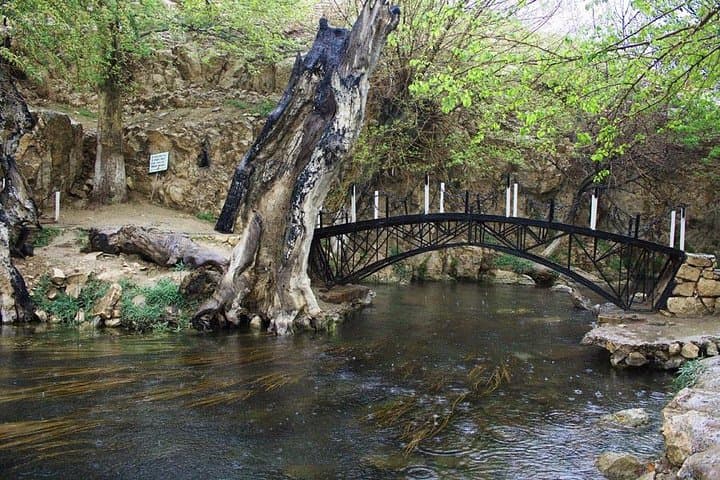
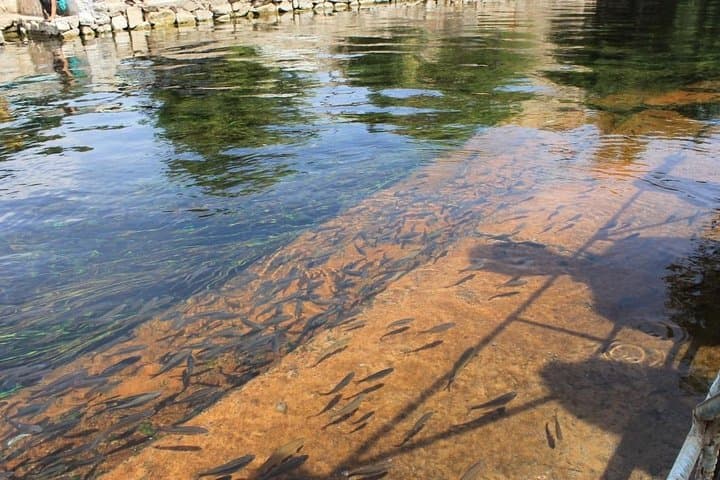
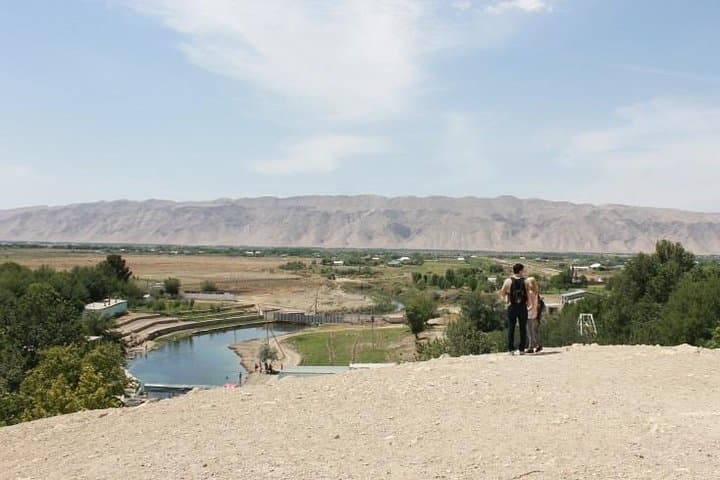
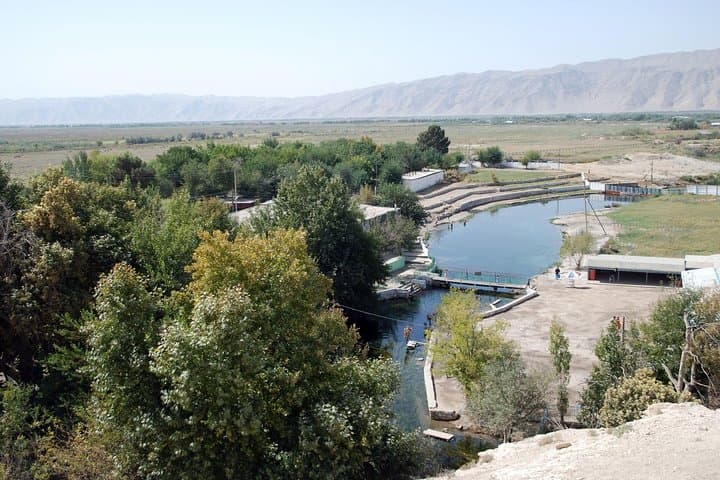
You arrive with the road still hot from the plains and the desert wind nudging your sleeves; a cluster of clear mouths in the earth suddenly claims the scene. Five main springs split into 39 smaller rivulets, joining into a 12–13‑meter channel that threads silver fish through its shallow current. The water seems to push forward, insistent and cool against the surrounding sunbaked soil.
You arrive with the road still hot from the plains and the desert wind nudging your sleeves; a cluster of clear mouths in the earth suddenly claims the scene. Five main springs split into 39 smaller rivulets, joining into a 12–13‑meter channel that threads silver fish through its shallow current. The water seems to push forward, insistent and cool against the surrounding sunbaked soil.
This site—Chiluchorchashma, literally “44 Springs”—carries layers of history: local legend credits Caliph Ali with striking the ground and producing life-giving water, while nearby the mausoleum-madrasa of Khoja Mashhad dates its architectural roots to the 9th–12th centuries. Geologically the springs are an expression of underground aquifers meeting a fault line where groundwater surfaces; culturally the place functions as both pilgrimage site and communal wash. The wider region folds from desert plain into riparian corridors that once sustained tuqay forests and now host concentrated biodiversity.
Practical guidance: this is a full-day private tour from Dushanbe (about 8–10 hours round trip depending on road conditions) with lunch and parking fees included. Expect mostly flat walking along riverbank and paved or unpaved access paths; the site is accessible for most fitness levels but can be sunny and exposed. Bring sun protection, at least 2L of water, sturdy shoes for mixed terrain, and modest clothing if you plan to observe or join local ritual practices. Respect the springs: avoid soaps or detergents, keep to paths, and maintain a quiet demeanor near religious spots. Early morning visits are coolest and best for light and bird activity; late afternoon brings warmer light and fewer visitors.