THE ADVENTURE COLLECTIVE® · Independent discovery and booking for outdoor travel

Walk the chalk-clear River Chess and secret valleys of the Chiltern Hills on a guided 7-hour circular that combines gentle walking with ecology and local history. Ideal for those who want a slow, interpretive outdoor day near Sarratt and historic watercress farms.
Walk the chalk-clear River Chess and secret valleys of the Chiltern Hills on a guided 7-hour circular that combines gentle walking with ecology and local history. Ideal for those who want a slow, interpretive outdoor day near Sarratt and historic watercress farms.
You step off the lane and the world narrows to the river: the River Chess runs clear and bright, its chalk-filtered water daring you to slow down. Overhead, beech and ash frame long views across rounded valleys; underfoot, footpaths curl through ancient pasture and wildflower margins. The guide pauses at a river bend and points out the watercress beds — cultivated here for centuries — while the stream hurries on like a conversation.
Verified experiences and guided adventures in the surrounding area.
Operated by Chilterns Walking Tours · Sarratt, Hertfordshire
You step off the lane and the world narrows to the river: the River Chess runs clear and bright, its chalk-filtered water daring you to slow down. Overhead, beech and ash frame long views across rounded valleys; underfoot, footpaths curl through ancient pasture and wildflower margins. The guide pauses at a river bend and points out the watercress beds — cultivated here for centuries — while the stream hurries on like a conversation.
Geology and history are close to the surface. The Chiltern Hills ride a band of Cretaceous chalk that gives rise to England’s rare chalk streams, low-gradient channels with gravel beds that support rich biodiversity. Sarratt and nearby villages carry layers of agricultural history: traditional farms, old parish greens, and a village pub that still marks the route of walkers. Local guides explain how water management and farming shaped both landscape and community.
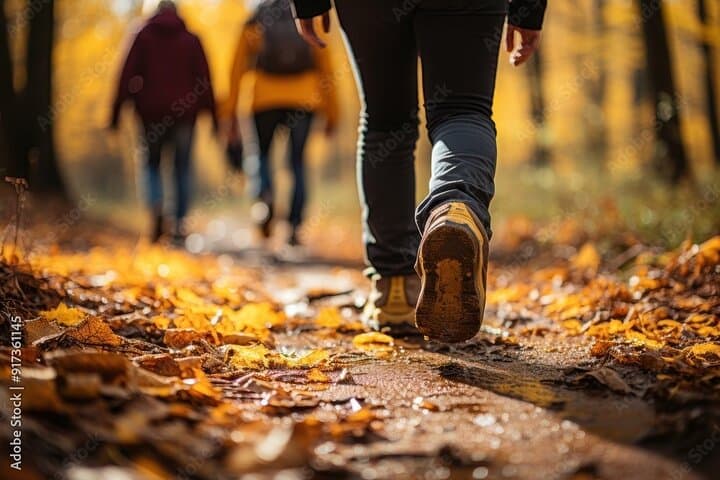
Practical side: this guided circular is about 7.4 km completed over roughly seven hours with long stops for ecology talks and lunch, mostly flat with a few short slopes. Expect mixed surfaces — compact paths, pasture, occasional muddy sections — and frequent stream-side terrain. Wildlife sightings often include kingfishers and brown trout in the streams, plus dewpond butterflies in meadows. Wear waterproof footwear, pack a refillable bottle and layered clothing for changeable English weather. Trains and buses serve nearby towns; pickup details are provided by the operator. The pace is deliberately unhurried, designed for people who want to learn and move slowly through place rather than race a distance. Leave the stream cleaner than you found it: chalk rivers are fragile and benefit from careful walking and simple leave-no-trace habits.
moderate.
7 hours.
Moderate fitness recommended — mostly easy walking but long day with several stops; able to walk 7–10 km over varied terrain.
The route covers about 7.4 km completed over roughly seven hours including stops; terrain is mostly flat with a few short slopes, suitable for people with moderate fitness.
Meeting and pickup details vary by booking; the tour lists nearby public transport options and provides an air-conditioned vehicle for transfers noted in the inclusions.
Children are usually welcome but must be supervised; service animals are allowed while pets may be subject to guide approval—check with the operator when booking.
A pub in Sarratt and planned lunch are part of the itinerary; bring snacks and water between stops and inform the operator of dietary needs when booking.
The Chiltern Hills sit on a Chalk escarpment with centuries of small-scale farming; watercress cultivation and mill sites speak to long-standing river-based livelihoods.
Chalk streams are globally rare and sensitive to pollution and water extraction — keep to paths, avoid trampling banks, and support local conservation groups where possible.
Chilterns Walking Tours operates guided outdoor trips and adventures with an emphasis on safety, stewardship, and memorable experiences.
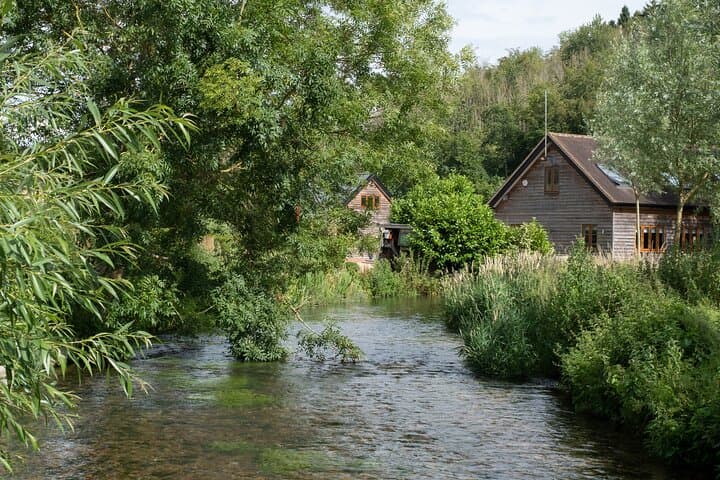
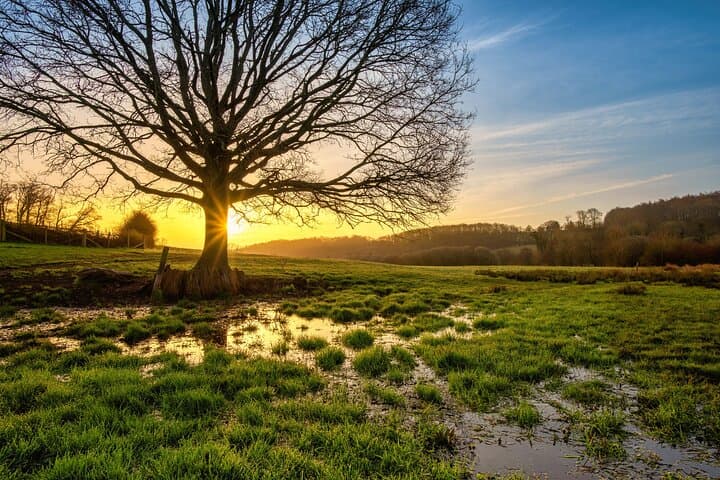
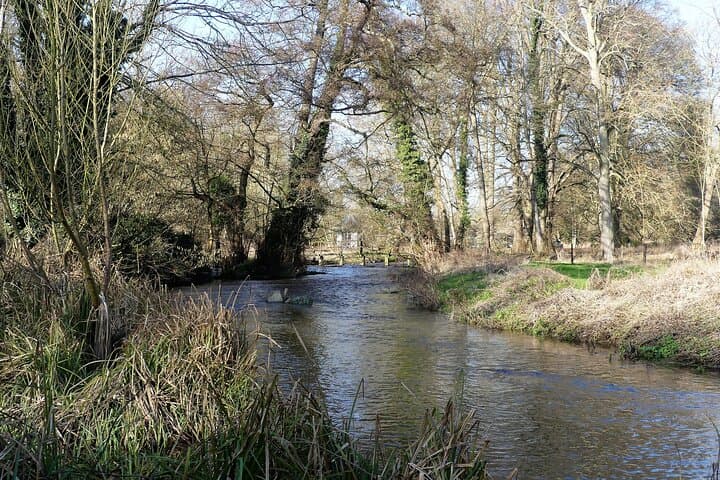
You step off the lane and the world narrows to the river: the River Chess runs clear and bright, its chalk-filtered water daring you to slow down. Overhead, beech and ash frame long views across rounded valleys; underfoot, footpaths curl through ancient pasture and wildflower margins. The guide pauses at a river bend and points out the watercress beds — cultivated here for centuries — while the stream hurries on like a conversation.
You step off the lane and the world narrows to the river: the River Chess runs clear and bright, its chalk-filtered water daring you to slow down. Overhead, beech and ash frame long views across rounded valleys; underfoot, footpaths curl through ancient pasture and wildflower margins. The guide pauses at a river bend and points out the watercress beds — cultivated here for centuries — while the stream hurries on like a conversation.
Geology and history are close to the surface. The Chiltern Hills ride a band of Cretaceous chalk that gives rise to England’s rare chalk streams, low-gradient channels with gravel beds that support rich biodiversity. Sarratt and nearby villages carry layers of agricultural history: traditional farms, old parish greens, and a village pub that still marks the route of walkers. Local guides explain how water management and farming shaped both landscape and community.
Practical side: this guided circular is about 7.4 km completed over roughly seven hours with long stops for ecology talks and lunch, mostly flat with a few short slopes. Expect mixed surfaces — compact paths, pasture, occasional muddy sections — and frequent stream-side terrain. Wildlife sightings often include kingfishers and brown trout in the streams, plus dewpond butterflies in meadows. Wear waterproof footwear, pack a refillable bottle and layered clothing for changeable English weather. Trains and buses serve nearby towns; pickup details are provided by the operator. The pace is deliberately unhurried, designed for people who want to learn and move slowly through place rather than race a distance. Leave the stream cleaner than you found it: chalk rivers are fragile and benefit from careful walking and simple leave-no-trace habits.