THE ADVENTURE COLLECTIVE® · Independent discovery and booking for outdoor travel

Cross the choppy Chacao Channel to Chiloe for a full day of shorelines, seafood markets and a rare penguin colony at Puñihuil. Expect a 10‑hour tour with short walks, a protected boat landing and guided wildlife interpretation.
Cross the choppy Chacao Channel to Chiloe for a full day of shorelines, seafood markets and a rare penguin colony at Puñihuil. Expect a 10‑hour tour with short walks, a protected boat landing and guided wildlife interpretation.
Morning light breaks over Puerto Montt as a minibus rolls toward the ferry at Pargua; gulls mob the wake and the Chacao Channel dares you to look away. The crossing is the first chapter: cold salt spray, low cliffs scored by currents, and the chance to spot South American sea lions hauling out on rocky ledges.
Verified experiences and guided adventures in the surrounding area.
Operated by Ruta Chile · Puerto Montt, Los Lagos
Morning light breaks over Puerto Montt as a minibus rolls toward the ferry at Pargua; gulls mob the wake and the Chacao Channel dares you to look away. The crossing is the first chapter: cold salt spray, low cliffs scored by currents, and the chance to spot South American sea lions hauling out on rocky ledges.
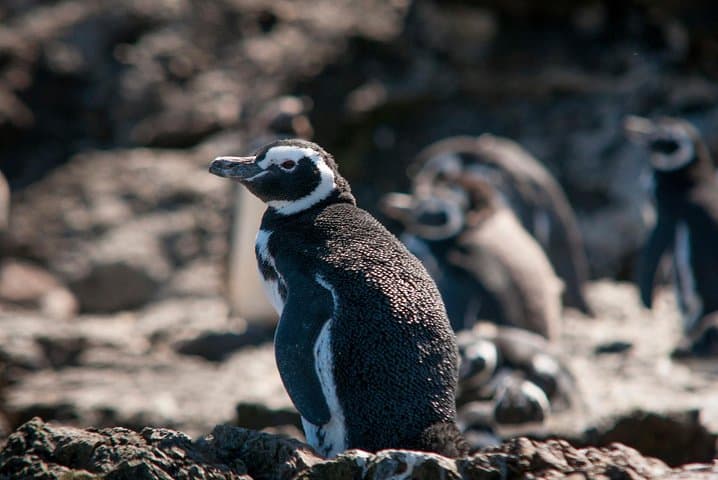
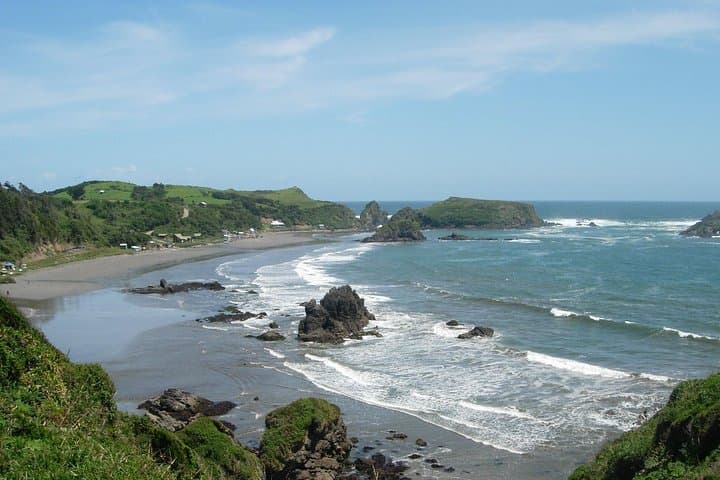
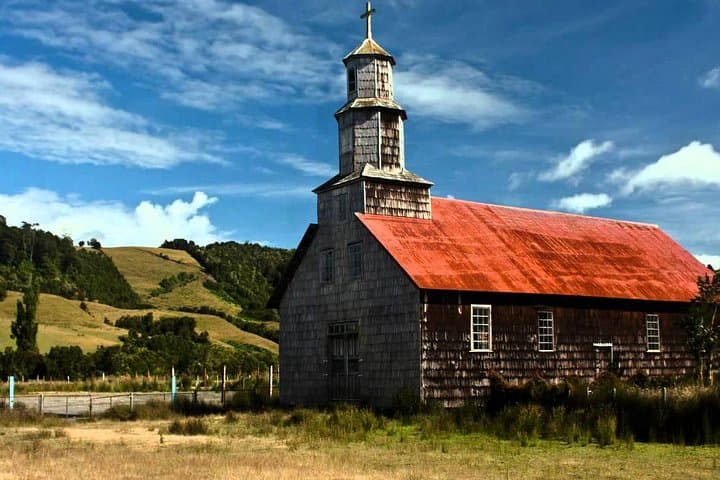
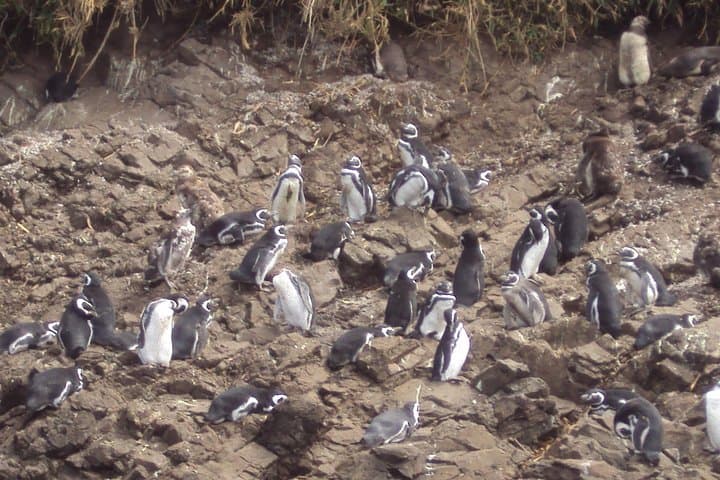
The day unfolds along Chiloe’s windswept coast — Caulín’s mudflats and oyster beds give way to Puñihuil, a clutch of low islands where Magellanic and Humboldt penguins nest side by side, the only known place they cohabit. Guides explain how currents and abundant shellfish shape this spot’s ecology while pointing out Alerce-built houses and wooden churches — part of Chiloe’s colonial-era maritime culture and declared National Heritage.
History reaches inland at Ancud and San Antonio Fort, late 18th-century Spanish fortifications that read the coastline like a map of strategic needs. Geology is visible in wave-battered headlands and peat soils that give Chiloe its brooding green palette.
Practicalities: the tour is a full 10-hour day with several short walks, a protected-boat approach to the penguin islets, and regional food options at Ancud’s market. Dress in windproof layers, bring waterproof footwear, and pack motion-sickness remedies if you’re sensitive to ferry crossings. Respect wildlife distances and follow guide instructions — the island’s conservation status depends on low-impact visits.
This tour gives a compact, accessible introduction to Chiloe’s natural history and coastal culture — ideal for travelers who want reliable logistics, wildlife close-ups, and a sense of why these islands matter.
easy.
10 hours.
Suitable for most fitness levels; involves long periods seated in transport and several short, easy shore walks.
This is a full‑day, approximately 10‑hour tour with extended travel by minibus and ferry; on-foot portions are short and generally on flat terrain.
Guides take a small boat to a viewing approach near the islets; you will see Magellanic and Humboldt penguins nesting but must remain on the boat or designated viewpoints to protect colonies.
Children are allowed but must be supervised; the tour involves ferry and small-boat transfers that may be difficult for travelers with significant mobility limitations — contact the operator about accessibility and pickup options.
Guides are available in Spanish, English or Portuguese for interpretation throughout the visit.
Chiloe’s wooden churches and Alerce houses reflect a coastal, shipbuilding and fishing culture that dates to Spanish colonial and indigenous Chono influences; several churches are UNESCO‑recognized heritage examples.
Puñihuil’s islets are protected for their unique penguin nesting; follow low‑impact guidelines, avoid litter, and support local initiatives that limit disturbance and preserve feeding grounds.
Ruta Chile operates guided outdoor trips and adventures with an emphasis on safety, stewardship, and memorable experiences.
Morning light breaks over Puerto Montt as a minibus rolls toward the ferry at Pargua; gulls mob the wake and the Chacao Channel dares you to look away. The crossing is the first chapter: cold salt spray, low cliffs scored by currents, and the chance to spot South American sea lions hauling out on rocky ledges.
Morning light breaks over Puerto Montt as a minibus rolls toward the ferry at Pargua; gulls mob the wake and the Chacao Channel dares you to look away. The crossing is the first chapter: cold salt spray, low cliffs scored by currents, and the chance to spot South American sea lions hauling out on rocky ledges.
The day unfolds along Chiloe’s windswept coast — Caulín’s mudflats and oyster beds give way to Puñihuil, a clutch of low islands where Magellanic and Humboldt penguins nest side by side, the only known place they cohabit. Guides explain how currents and abundant shellfish shape this spot’s ecology while pointing out Alerce-built houses and wooden churches — part of Chiloe’s colonial-era maritime culture and declared National Heritage.
History reaches inland at Ancud and San Antonio Fort, late 18th-century Spanish fortifications that read the coastline like a map of strategic needs. Geology is visible in wave-battered headlands and peat soils that give Chiloe its brooding green palette.
Practicalities: the tour is a full 10-hour day with several short walks, a protected-boat approach to the penguin islets, and regional food options at Ancud’s market. Dress in windproof layers, bring waterproof footwear, and pack motion-sickness remedies if you’re sensitive to ferry crossings. Respect wildlife distances and follow guide instructions — the island’s conservation status depends on low-impact visits.
This tour gives a compact, accessible introduction to Chiloe’s natural history and coastal culture — ideal for travelers who want reliable logistics, wildlife close-ups, and a sense of why these islands matter.