THE ADVENTURE COLLECTIVE® · Independent discovery and booking for outdoor travel

Spend a day on Chiloé’s north coast visiting Puñihuil and its rare surfing penguin colonies. This full‑day tour combines coastal drives, cultural stops in Ancud, and close wildlife viewing under the watch of local guides.
Spend a day on Chiloé’s north coast visiting Puñihuil and its rare surfing penguin colonies. This full‑day tour combines coastal drives, cultural stops in Ancud, and close wildlife viewing under the watch of local guides.
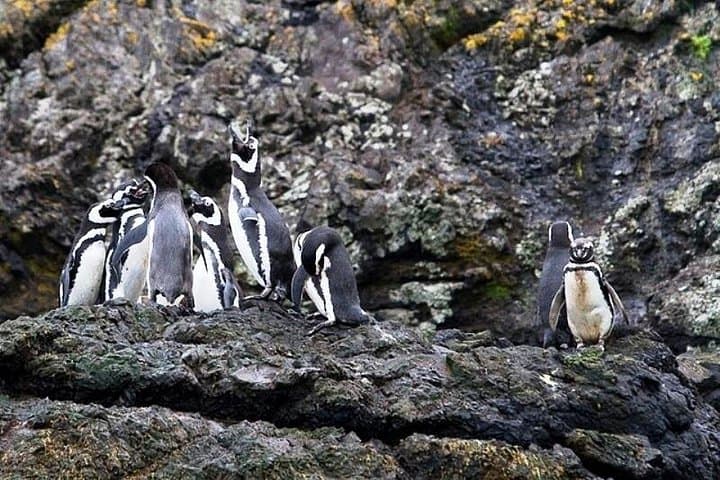
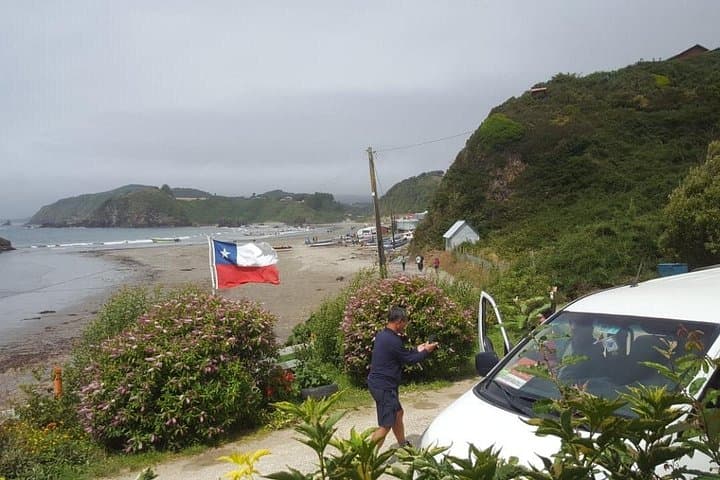
A gray morning on the Pacific opens into a room of wind and surf: low cliffs drop to black sand beaches, kelp forests sway like slow hands, and offshore islets hold a spectacle that has endured far from the mainland's bustle. On the Puñihuil tour, you move through that coastal theater — by minivan across Chiloé, over the Chacao Channel, then to the fringe of protected islets where penguins cluster in noisy, awkward families.
Verified experiences and guided adventures in the surrounding area.
Operated by Patagonia Austral · Puñihuil, Los Lagos
A gray morning on the Pacific opens into a room of wind and surf: low cliffs drop to black sand beaches, kelp forests sway like slow hands, and offshore islets hold a spectacle that has endured far from the mainland's bustle. On the Puñihuil tour, you move through that coastal theater — by minivan across Chiloé, over the Chacao Channel, then to the fringe of protected islets where penguins cluster in noisy, awkward families.
Chiloé has a layered past: Huilliche and Mapuche influences, Spanish missions, and a maritime economy that shaped wooden churches and a fishing culture. Geologically, the archipelago is a product of glacial carving and volcanic soils; tides and Pacific storms sculpt the beaches you pass. Local fishermen around Puñihuil have blended subsistence life with small-scale tourism, guiding visitors to view both Humboldt and Magellanic penguins and scanning for sea lions and cormorants.
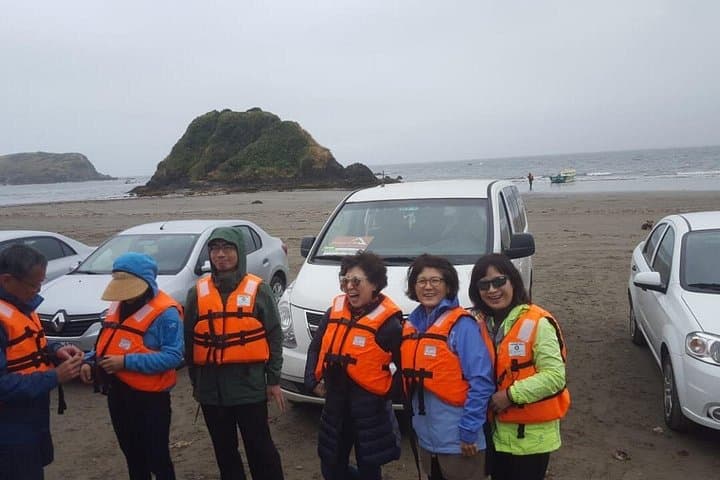
Practically, this is a full-day excursion (about 9–11 hours). Expect long stretches in a comfortable minivan, short shoreline walks, and optional short boat rides arranged locally to approach nesting sites — boats may be separate and are weather dependent. Dress for wind, spray, and sudden sun: layered, waterproof outerwear, sturdy shoes, and binoculars make a big difference. Respect roped-off areas and local guides; penguin colonies are fragile and best observed at a distance. Bring snacks, a charged camera battery, and patience: wildlife gives the show on its own timetable. This trip suits travelers seeking wildlife viewing with easy walking and a taste of Chiloé’s coastal culture.
easy.
9–11 hours.
Light fitness: mostly short walks on uneven beaches and brief boardings; suitable for most travelers.
Guides use designated vantage points and short boat trips (often arranged locally) to minimize disturbance; expect observation from shore or small craft at a respectful distance.
Yes—tour information indicates families are welcome, but infants must sit on laps and shore access may include uneven terrain; plan accordingly.
The 30‑minute channel crossing can be choppy; those prone to motion sickness should bring medication and choose a seat toward the center of the boat.
Look for South American sea lions, cormorants, kelp gulls and shorebirds along beaches; whales and dolphins are possible but not guaranteed.
Chiloé’s culture blends Indigenous Huilliche traditions and centuries of Spanish colonial influence; wooden churches across the archipelago reflect that mixed heritage.
Puñihuil islands are a protected natural monument; low‑impact viewing and local guide rules help reduce disturbance to breeding penguins and maintain fishermen‑led ecotourism.
Patagonia Austral operates guided outdoor trips and adventures with an emphasis on safety, stewardship, and memorable experiences.
A gray morning on the Pacific opens into a room of wind and surf: low cliffs drop to black sand beaches, kelp forests sway like slow hands, and offshore islets hold a spectacle that has endured far from the mainland's bustle. On the Puñihuil tour, you move through that coastal theater — by minivan across Chiloé, over the Chacao Channel, then to the fringe of protected islets where penguins cluster in noisy, awkward families.
A gray morning on the Pacific opens into a room of wind and surf: low cliffs drop to black sand beaches, kelp forests sway like slow hands, and offshore islets hold a spectacle that has endured far from the mainland's bustle. On the Puñihuil tour, you move through that coastal theater — by minivan across Chiloé, over the Chacao Channel, then to the fringe of protected islets where penguins cluster in noisy, awkward families.
Chiloé has a layered past: Huilliche and Mapuche influences, Spanish missions, and a maritime economy that shaped wooden churches and a fishing culture. Geologically, the archipelago is a product of glacial carving and volcanic soils; tides and Pacific storms sculpt the beaches you pass. Local fishermen around Puñihuil have blended subsistence life with small-scale tourism, guiding visitors to view both Humboldt and Magellanic penguins and scanning for sea lions and cormorants.
Practically, this is a full-day excursion (about 9–11 hours). Expect long stretches in a comfortable minivan, short shoreline walks, and optional short boat rides arranged locally to approach nesting sites — boats may be separate and are weather dependent. Dress for wind, spray, and sudden sun: layered, waterproof outerwear, sturdy shoes, and binoculars make a big difference. Respect roped-off areas and local guides; penguin colonies are fragile and best observed at a distance. Bring snacks, a charged camera battery, and patience: wildlife gives the show on its own timetable. This trip suits travelers seeking wildlife viewing with easy walking and a taste of Chiloé’s coastal culture.