THE ADVENTURE COLLECTIVE® · Independent discovery and booking for outdoor travel

Spend a full day from Puerto Montt crossing the Chacao Channel to Chiloé, visiting heritage churches, coastal wildlife sites and the rare Puñihuil islets where Magellanic and Humboldt penguins nest together. Learn natural history and local culture on this accessible wildlife-focused tour.
Spend a full day from Puerto Montt crossing the Chacao Channel to Chiloé, visiting heritage churches, coastal wildlife sites and the rare Puñihuil islets where Magellanic and Humboldt penguins nest together. Learn natural history and local culture on this accessible wildlife-focused tour.
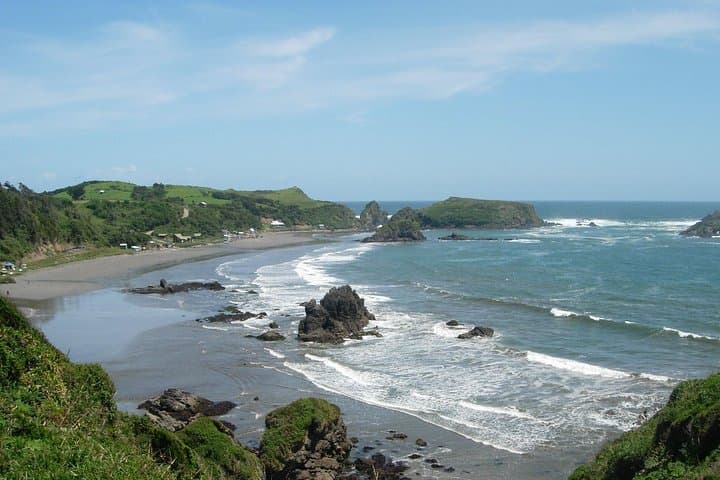
The morning light off Puerto Montt slants across the Reñihué inlet as a minibus slips through coastal pines toward Pargua. Salt and diesel mix, gulls slice above the ferry, and the Chacao Channel pulls the boat toward Chiloé — island rock that has worn into low cliffs and pebbled beaches over millennia.
Verified experiences and guided adventures in the surrounding area.
Operated by Ruta Chile · Puerto Montt, Los Lagos
The morning light off Puerto Montt slants across the Reñihué inlet as a minibus slips through coastal pines toward Pargua. Salt and diesel mix, gulls slice above the ferry, and the Chacao Channel pulls the boat toward Chiloé — island rock that has worn into low cliffs and pebbled beaches over millennia.
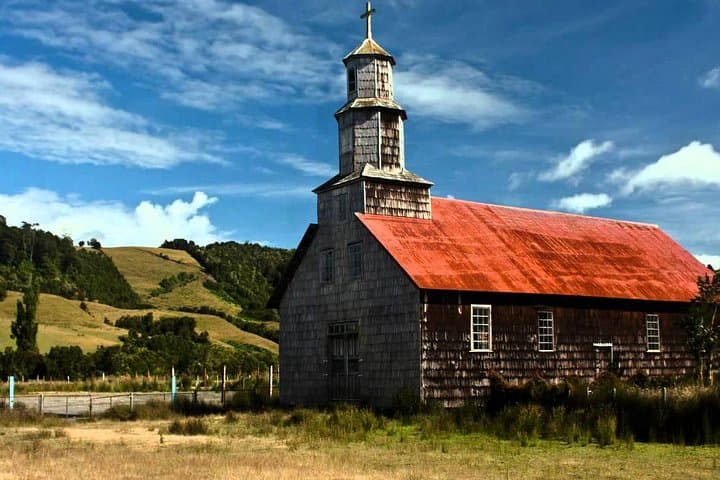
Chiloé’s human story is visible in stout wooden churches and houses built from alerce and cypress; many churches are National Heritage sites dating to the Spanish colonial era and the island’s strong Chilote culture of boat-building, mythology and seafood cuisine. Geologically, the archipelago is shaped by glacial carving and marine terraces, producing sheltered bays that concentrate marine life — the reason oysters, kelp forests and nesting seabirds thrive here.
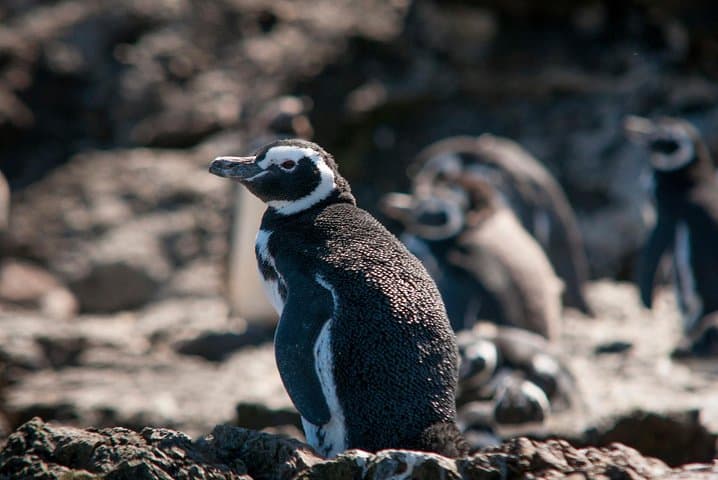
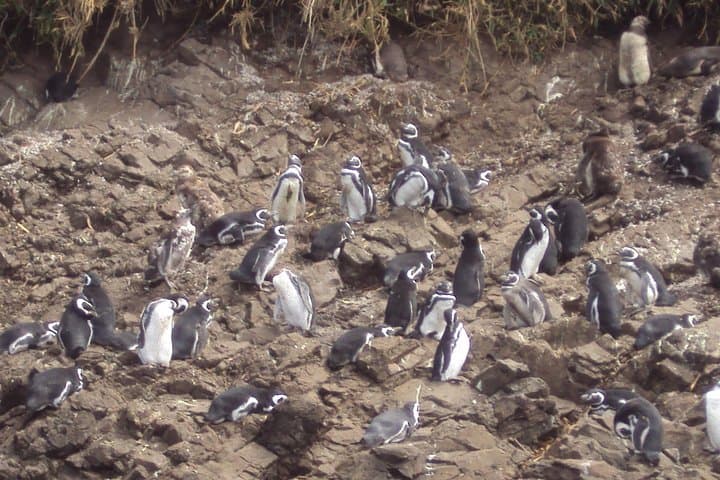
Puñihuil beach is the highlight: a tight group of islets where Magellanic and Humboldt penguins uniquely nest side-by-side. A short, careful zodiac ride brings you close enough to watch adults swap nest duties while cormorants and sea lions argue over foraging rights. The guide explains breeding cycles and the fragile food web that sustains them.
Practically: this is a full 10‑hour day with ferry crossings and short hikes along shoreline paths. Dress in waterproof layers and sturdy shoes for wet, windy conditions. Bring binoculars and a camera with a zoom lens; follow the guide’s distance rules to avoid disturbing wildlife. Morning departures avoid afternoon winds and increase chance of calm waters for the boat to the penguin islets.
The trip blends natural history, coastal geology and living culture — an accessible, conservation-minded way to see species and landscapes that define southern Chile.
easy.
10 hours.
Suitable for most fitness levels; includes short walks on uneven, sometimes slippery shorelines and boat transfers.
The tour is approximately 10 hours and includes hotel pickup/return, transportation by minibus, ferry crossing, a guided visit to Puñihuil with a small boat to the penguin islets, and stops in Ancud and San Antonio Fort areas.
Sightings are highly likely at Puñihuil where both Magellanic and Humboldt penguins nest, but wildlife is never guaranteed; calm seas and the season improve viewing chances.
The tour is rated easy but involves short boat transfers and walking on uneven shores; children must be accompanied and those with serious mobility limits should check with the operator beforehand.
Dress in waterproof layers, wear sturdy shoes, bring binoculars, sun protection, sea-sickness remedies if prone, and a raincover for cameras.
Chiloé’s culture blends indigenous Huilliche traditions and Spanish colonial influence; many wooden churches on the island date to the 18th and 19th centuries and are UNESCO-recognized examples of local carpentry.
Puñihuil is recognized for its unique mixed-species penguin colonies; operators follow strict distance and boat protocols to minimize disturbance and support local conservation efforts.
Ruta Chile operates guided outdoor trips and adventures with an emphasis on safety, stewardship, and memorable experiences.
The morning light off Puerto Montt slants across the Reñihué inlet as a minibus slips through coastal pines toward Pargua. Salt and diesel mix, gulls slice above the ferry, and the Chacao Channel pulls the boat toward Chiloé — island rock that has worn into low cliffs and pebbled beaches over millennia.
The morning light off Puerto Montt slants across the Reñihué inlet as a minibus slips through coastal pines toward Pargua. Salt and diesel mix, gulls slice above the ferry, and the Chacao Channel pulls the boat toward Chiloé — island rock that has worn into low cliffs and pebbled beaches over millennia.
Chiloé’s human story is visible in stout wooden churches and houses built from alerce and cypress; many churches are National Heritage sites dating to the Spanish colonial era and the island’s strong Chilote culture of boat-building, mythology and seafood cuisine. Geologically, the archipelago is shaped by glacial carving and marine terraces, producing sheltered bays that concentrate marine life — the reason oysters, kelp forests and nesting seabirds thrive here.
Puñihuil beach is the highlight: a tight group of islets where Magellanic and Humboldt penguins uniquely nest side-by-side. A short, careful zodiac ride brings you close enough to watch adults swap nest duties while cormorants and sea lions argue over foraging rights. The guide explains breeding cycles and the fragile food web that sustains them.
Practically: this is a full 10‑hour day with ferry crossings and short hikes along shoreline paths. Dress in waterproof layers and sturdy shoes for wet, windy conditions. Bring binoculars and a camera with a zoom lens; follow the guide’s distance rules to avoid disturbing wildlife. Morning departures avoid afternoon winds and increase chance of calm waters for the boat to the penguin islets.
The trip blends natural history, coastal geology and living culture — an accessible, conservation-minded way to see species and landscapes that define southern Chile.