THE ADVENTURE COLLECTIVE® · Independent discovery and booking for outdoor travel

Cross the Chacao Channel for a day on Chiloé Island — visit color-washed palafitos in Castro, a UNESCO-linked wooden church in Nercón, and the lively handicraft market of Dalcahue. This full-day excursion combines short coastal walks, cultural stops, and easy driving between highlights.
Cross the Chacao Channel for a day on Chiloé Island — visit color-washed palafitos in Castro, a UNESCO-linked wooden church in Nercón, and the lively handicraft market of Dalcahue. This full-day excursion combines short coastal walks, cultural stops, and easy driving between highlights.
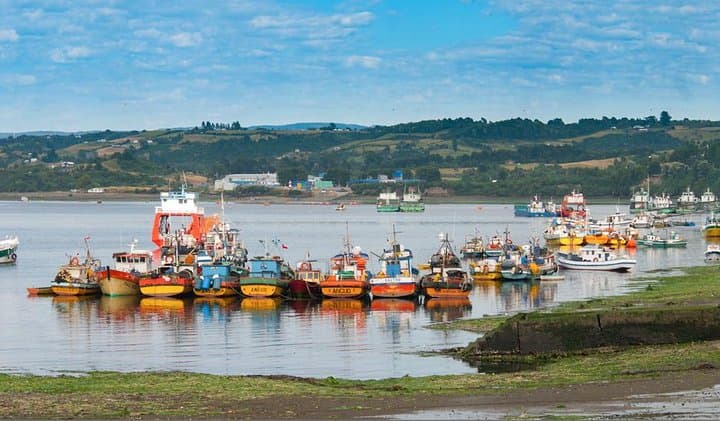
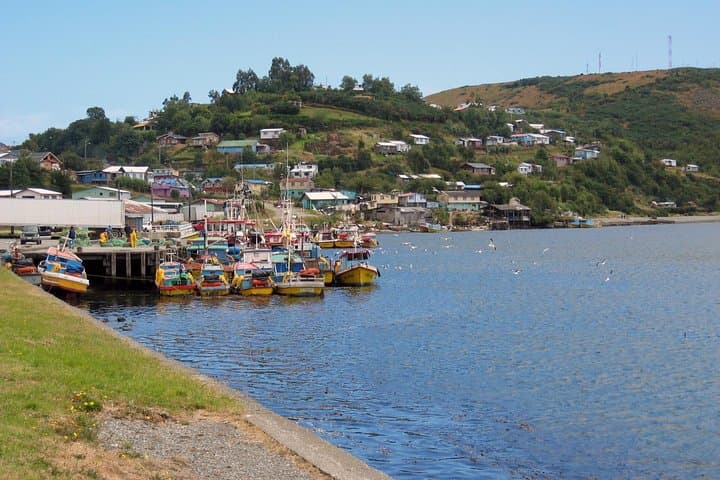
You step out of the van at Pargua and the channel pulls at your attention — a cold, brackish ribbon that separates the mainland from Isla Grande de Chiloé. The ferry hums and the shoreline of Chiloé grows into a scattering of painted houses and wooden churches, the island’s weathered architecture announcing a different pace.
Verified experiences and guided adventures in the surrounding area.
Operated by Ruta Chile · Castro, Los Lagos Region
You step out of the van at Pargua and the channel pulls at your attention — a cold, brackish ribbon that separates the mainland from Isla Grande de Chiloé. The ferry hums and the shoreline of Chiloé grows into a scattering of painted houses and wooden churches, the island’s weathered architecture announcing a different pace.
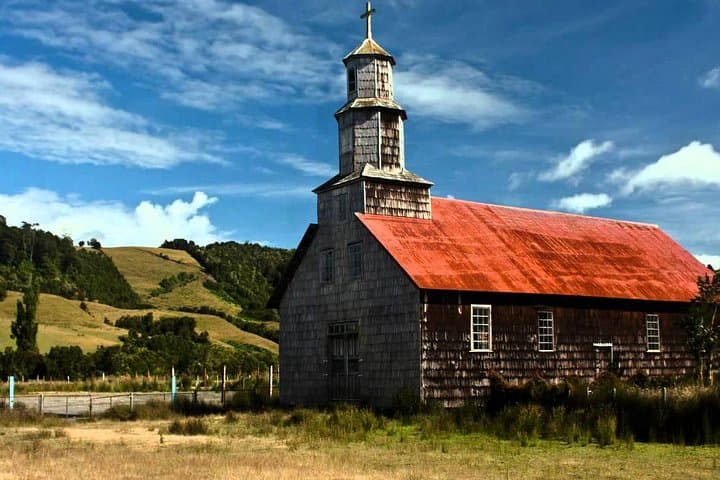
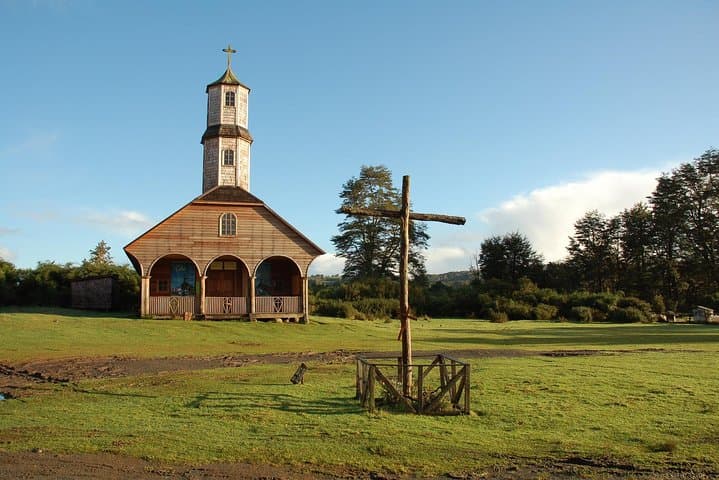
Chiloé’s history is visible in its churches — dozens declared national monuments and influenced by Jesuit and local carpentry traditions — and in the palafitos of Castro, houses on stilts that lean over the tidal flats. Geologically, the island is a low-lying archipelago of glacial sediments and volcanic substrata; expect mostly flat coastal terrain with occasional rolling hills and water-smoothed rocks.
This full-day tour travels roughly 80 km south from Puerto Varas to Pargua, includes a 20–30 minute ferry across the Chacao Channel, and stops for short walks in Chacao, Castro, Nercón and Dalcahue. Most on-foot segments are under 30 minutes on paved streets, market alleys, and wooden walkways; elevation gain is minimal.
Practical edge: bring a waterproof layer and good traction shoes for slippery boards and wet cobbles, and budget time for the handicraft market in Dalcahue if you want locally woven wool or wooden utensils. Lunch is available in town but not included; carry cash for small purchases. Expect a ten-hour day with hotel pickup and drop-off, and remember the ferry schedule can shift with weather — flexibility keeps the day enjoyable.
moderate.
8–10 hours.
Suitable for most fitness levels; expect several short, easy walks and long periods seated in a vehicle.
The Chacao Channel ferry typically takes about 20–30 minutes, though times vary with conditions and schedule.
No, lunch is not included; the tour stops at local restaurants where you can purchase traditional curanto and seafood dishes.
Most churches visited are accessible to the public, though opening hours vary and some may close for services — check with your guide on the day.
Yes; the tour is rated easy to moderate with short walks, but travelers with serious mobility issues should check in advance about access at specific sites.
Chiloé developed a distinct culture from colonial-era Jesuit missions and local carpentry, producing over 150 wooden churches and a strong artisanal boat- and woolcraft tradition.
The archipelago’s peatlands, wetlands and intertidal zones are ecologically sensitive; stick to paths, avoid disturbing wildlife, and support certified local artisans to help sustain livelihoods.
Ruta Chile operates guided outdoor trips and adventures with an emphasis on safety, stewardship, and memorable experiences.
You step out of the van at Pargua and the channel pulls at your attention — a cold, brackish ribbon that separates the mainland from Isla Grande de Chiloé. The ferry hums and the shoreline of Chiloé grows into a scattering of painted houses and wooden churches, the island’s weathered architecture announcing a different pace.
You step out of the van at Pargua and the channel pulls at your attention — a cold, brackish ribbon that separates the mainland from Isla Grande de Chiloé. The ferry hums and the shoreline of Chiloé grows into a scattering of painted houses and wooden churches, the island’s weathered architecture announcing a different pace.
Chiloé’s history is visible in its churches — dozens declared national monuments and influenced by Jesuit and local carpentry traditions — and in the palafitos of Castro, houses on stilts that lean over the tidal flats. Geologically, the island is a low-lying archipelago of glacial sediments and volcanic substrata; expect mostly flat coastal terrain with occasional rolling hills and water-smoothed rocks.
This full-day tour travels roughly 80 km south from Puerto Varas to Pargua, includes a 20–30 minute ferry across the Chacao Channel, and stops for short walks in Chacao, Castro, Nercón and Dalcahue. Most on-foot segments are under 30 minutes on paved streets, market alleys, and wooden walkways; elevation gain is minimal.
Practical edge: bring a waterproof layer and good traction shoes for slippery boards and wet cobbles, and budget time for the handicraft market in Dalcahue if you want locally woven wool or wooden utensils. Lunch is available in town but not included; carry cash for small purchases. Expect a ten-hour day with hotel pickup and drop-off, and remember the ferry schedule can shift with weather — flexibility keeps the day enjoyable.