THE ADVENTURE COLLECTIVE® · Independent discovery and booking for outdoor travel

Cross the Chacao Channel and spend a day among Castro’s palafitos, Ancud’s fort and Dalcahue’s craft market. This easy-paced tour combines short walks, a ferry crossing and a local lunch—ideal for photographers and culture seekers.
Cross the Chacao Channel and spend a day among Castro’s palafitos, Ancud’s fort and Dalcahue’s craft market. This easy-paced tour combines short walks, a ferry crossing and a local lunch—ideal for photographers and culture seekers.
You step off the ferry into a cool, salt-scented wind; the Chacao Channel parts behind you as the island’s wooden houses on stilts—palafitos—cluster along the shoreline like an argument between color and tide.
Verified experiences and guided adventures in the surrounding area.
Operated by Anclatourchile · Castro, Los Lagos
You step off the ferry into a cool, salt-scented wind; the Chacao Channel parts behind you as the island’s wooden houses on stilts—palafitos—cluster along the shoreline like an argument between color and tide.
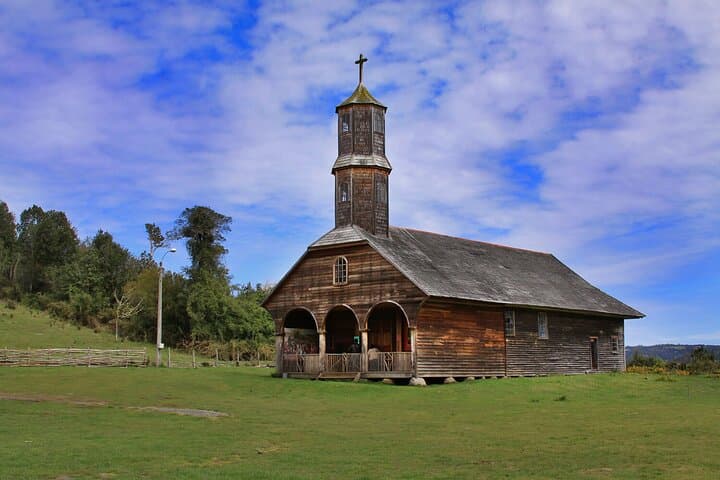
This full-day loop introduces the northern and central villages of Chiloé: Ancud’s Spanish-era fort and market, Castro’s waterfront palafitos and UNESCO wooden churches, and Dalcahue’s craft stalls. Geologically, Chiloé is a low-lying archipelago carved by glacial action and marine currents, its soils peat-rich and its coastline constantly reshaped by tides that demand respect. Culturally, the island carries a blend of Huilliche traditions and centuries of Jesuit and Spanish influence; local legends—ghost ships and sea spirits—still thread through fishermen’s tales.
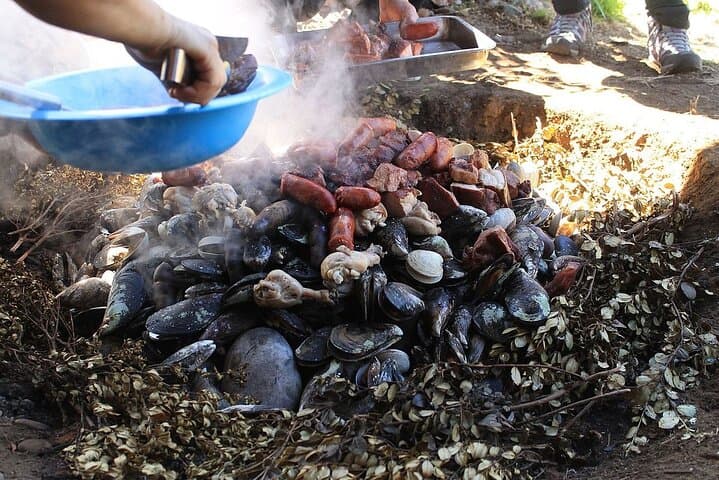
Expect brief walks in paved plazas, wooden boardwalks and cobbled streets—generally flat terrain with minimal elevation gain but uneven surfaces. The Chacao crossing takes roughly 30–40 minutes, and most town visits involve 1–3 km of easy walking. Lunch is included and typically features local seafood preparations.
Practical notes: layer for wind and drizzle, bring motion-sickness remedies if you’re prone, and carry small-denomination Chilean pesos for crafts and market purchases. Photography opportunities are abundant—aim for morning or late afternoon light to capture the palafitos without harsh shadows. Guides handle navigation and transport; this is an accessible, low-impact way to see Chiloé’s architecture, markets and maritime landscapes in a single, well-paced day.
easy.
6 hours.
Suitable for travelers in average physical condition; involves several short, low-elevation walks (1–3 km per stop).
The crossing through the Chacao Channel typically takes about 30–40 minutes each way, but schedules can vary with tides and weather.
Yes—this full-day experience includes a local lunch, often featuring regional seafood and traditional sides.
The operator lists the tour as wheelchair accessible, but some historic sites and wooden walkways may have limited access—check specific pickup and site-access details when booking.
Bring Chilean pesos for markets and small purchases; tipping guides and drivers (10% is common) is appreciated but discretionary.
Chiloé was a strategic outpost for Spanish and Jesuit missions—several wooden churches built in the 18th and 19th centuries are UNESCO World Heritage sites and reflect the island’s fusion of European and indigenous craftsmanship.
Tidal flats and peat soils are sensitive; stick to boardwalks, avoid disturbing nesting birds and support local artisans to help sustain traditional practices.
Anclatourchile operates guided outdoor trips and adventures with an emphasis on safety, stewardship, and memorable experiences.
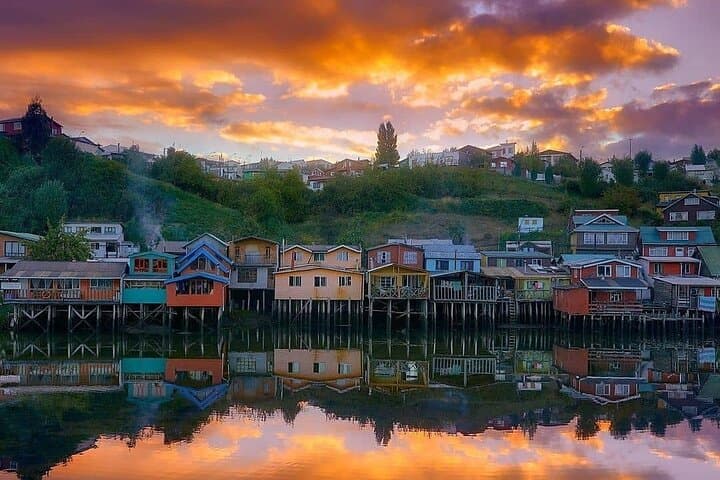
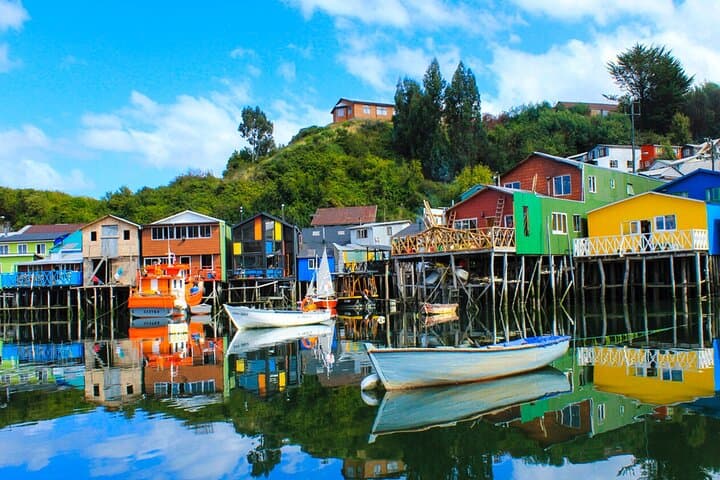
You step off the ferry into a cool, salt-scented wind; the Chacao Channel parts behind you as the island’s wooden houses on stilts—palafitos—cluster along the shoreline like an argument between color and tide.
You step off the ferry into a cool, salt-scented wind; the Chacao Channel parts behind you as the island’s wooden houses on stilts—palafitos—cluster along the shoreline like an argument between color and tide.
This full-day loop introduces the northern and central villages of Chiloé: Ancud’s Spanish-era fort and market, Castro’s waterfront palafitos and UNESCO wooden churches, and Dalcahue’s craft stalls. Geologically, Chiloé is a low-lying archipelago carved by glacial action and marine currents, its soils peat-rich and its coastline constantly reshaped by tides that demand respect. Culturally, the island carries a blend of Huilliche traditions and centuries of Jesuit and Spanish influence; local legends—ghost ships and sea spirits—still thread through fishermen’s tales.
Expect brief walks in paved plazas, wooden boardwalks and cobbled streets—generally flat terrain with minimal elevation gain but uneven surfaces. The Chacao crossing takes roughly 30–40 minutes, and most town visits involve 1–3 km of easy walking. Lunch is included and typically features local seafood preparations.
Practical notes: layer for wind and drizzle, bring motion-sickness remedies if you’re prone, and carry small-denomination Chilean pesos for crafts and market purchases. Photography opportunities are abundant—aim for morning or late afternoon light to capture the palafitos without harsh shadows. Guides handle navigation and transport; this is an accessible, low-impact way to see Chiloé’s architecture, markets and maritime landscapes in a single, well-paced day.