THE ADVENTURE COLLECTIVE® · Independent discovery and booking for outdoor travel

Spend a full day exploring Chiloé’s cultural heart in Ancud and watching Humboldt and Magellanic penguins at Puñihuil. This private tour mixes regional history, coastal geology, and focused wildlife viewing with practical, low-impact boat access.
Spend a full day exploring Chiloé’s cultural heart in Ancud and watching Humboldt and Magellanic penguins at Puñihuil. This private tour mixes regional history, coastal geology, and focused wildlife viewing with practical, low-impact boat access.
You step off the ferry as the channel spits salt spray into the air and Chilote winds push across the road toward Ancud. The town’s low timber houses and the compact stone fort stand like chapters in a book about island survival—sea, wind, and people woven into practical ways of living. From Ancud the road runs west, narrowing into coastal lanes that open to Puñihuil’s sheltered bay, where small skiffs thread between rocky islets dotted with preening penguins.
Verified experiences and guided adventures in the surrounding area.
Operated by HANU FRANCISCO JAVIER UGARTE ANDREU · Ancud, Los Lagos
You step off the ferry as the channel spits salt spray into the air and Chilote winds push across the road toward Ancud. The town’s low timber houses and the compact stone fort stand like chapters in a book about island survival—sea, wind, and people woven into practical ways of living. From Ancud the road runs west, narrowing into coastal lanes that open to Puñihuil’s sheltered bay, where small skiffs thread between rocky islets dotted with preening penguins.
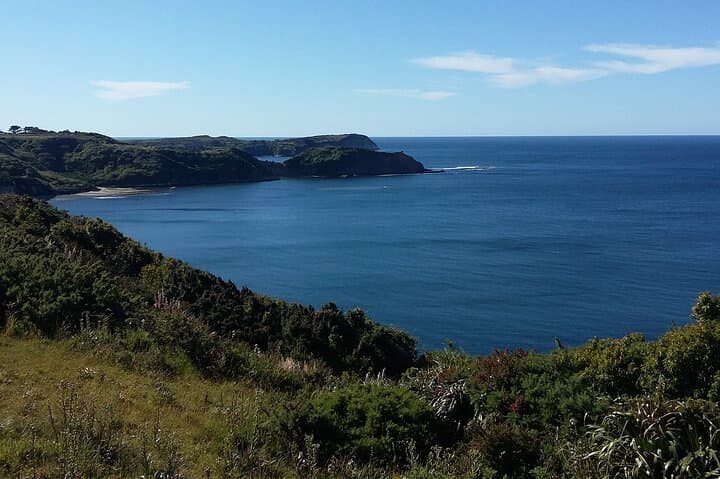
Chiloé’s story is plain in the landscape: volcanic substrate and glacially reworked soils give way to rolling pastures and thick, peat-rich wetlands. Discovered by Francisco de Ulloa in 1553 and later colonized in the 16th century, the island developed a distinct culture—wooden churches, boatbuilding, and a folklore shaped by maritime life and Catholic syncretism.
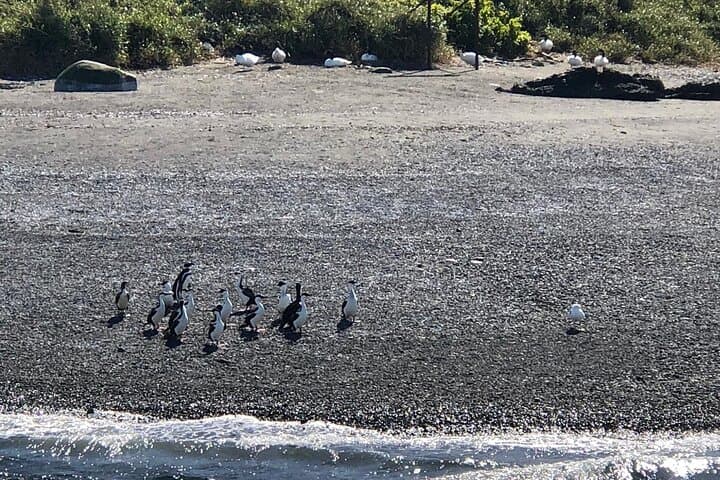
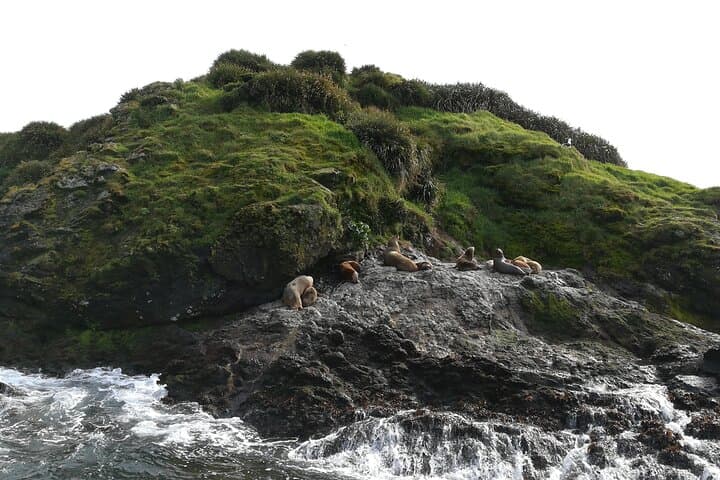
At Ancud, a regional museum catalogs 6,000 years of human presence: seafaring tools, indigenous pottery, and objects from the colonial timber trade. At Puñihuil the wildlife takes center stage—Magellanic and Humboldt penguins haul out on rocky ledges while cormorants and terns wheel overhead. The islets are protected as a Monumento Nacional, and tours use low-impact boat approaches to minimize disturbance.
Practical guide: the full-day private excursion runs about nine hours and involves several short walks, boat rides to viewing islets, and vehicular transfers. Bring layered waterproofs, binoculars, and a camera with a telephoto lens. Expect cool, changeable weather, limited facilities at the viewing site, and local kitchens in Puñihuil for a hearty lunch. Plan your visit to allow flexible timing for boat crossings and to prioritize quiet observation—these colonies respond to respectful distance and calm behavior.
easy.
9 hours.
Suitable for most fitness levels; involves short walks and boat transfers—basic mobility required
No guarantee—Puñihuil hosts reliable colonies of Humboldt and Magellanic penguins, but sightings depend on season, tides, and normal animal movement; guides maximize viewing chances by timing boat trips.
Most routes use the Chacao Channel ferry from the mainland to Chiloé; this tour includes private transport on the island and typically coordinates ferry crossings in the itinerary.
The listing indicates wheelchair accessibility, but terrain at viewing points and boat access may have limitations—confirm specific mobility needs with the operator before booking.
Meals are not included, though the itinerary offers opportunities for lunch in Ancud or local kitchens in Puñihuil; bring snacks and cash for remote vendors.
Chiloé was first charted in the mid-16th century and developed a distinct cultural identity through boatbuilding, wooden church architecture, and a mix of indigenous and Spanish traditions.
The Puñihuil islets are a protected Monumento Nacional; boat approaches and visitor behavior are regulated to reduce disturbance to breeding seabirds and preserve intertidal habitats.
HANU FRANCISCO JAVIER UGARTE ANDREU operates guided outdoor trips and adventures with an emphasis on safety, stewardship, and memorable experiences.
You step off the ferry as the channel spits salt spray into the air and Chilote winds push across the road toward Ancud. The town’s low timber houses and the compact stone fort stand like chapters in a book about island survival—sea, wind, and people woven into practical ways of living. From Ancud the road runs west, narrowing into coastal lanes that open to Puñihuil’s sheltered bay, where small skiffs thread between rocky islets dotted with preening penguins.
You step off the ferry as the channel spits salt spray into the air and Chilote winds push across the road toward Ancud. The town’s low timber houses and the compact stone fort stand like chapters in a book about island survival—sea, wind, and people woven into practical ways of living. From Ancud the road runs west, narrowing into coastal lanes that open to Puñihuil’s sheltered bay, where small skiffs thread between rocky islets dotted with preening penguins.
Chiloé’s story is plain in the landscape: volcanic substrate and glacially reworked soils give way to rolling pastures and thick, peat-rich wetlands. Discovered by Francisco de Ulloa in 1553 and later colonized in the 16th century, the island developed a distinct culture—wooden churches, boatbuilding, and a folklore shaped by maritime life and Catholic syncretism.
At Ancud, a regional museum catalogs 6,000 years of human presence: seafaring tools, indigenous pottery, and objects from the colonial timber trade. At Puñihuil the wildlife takes center stage—Magellanic and Humboldt penguins haul out on rocky ledges while cormorants and terns wheel overhead. The islets are protected as a Monumento Nacional, and tours use low-impact boat approaches to minimize disturbance.
Practical guide: the full-day private excursion runs about nine hours and involves several short walks, boat rides to viewing islets, and vehicular transfers. Bring layered waterproofs, binoculars, and a camera with a telephoto lens. Expect cool, changeable weather, limited facilities at the viewing site, and local kitchens in Puñihuil for a hearty lunch. Plan your visit to allow flexible timing for boat crossings and to prioritize quiet observation—these colonies respond to respectful distance and calm behavior.