THE ADVENTURE COLLECTIVE® · Independent discovery and booking for outdoor travel

Combine a moderate two-mile hike on the historic Chilkoot Trail with a peaceful float down the Taiya River. This four-hour shore excursion from Skagway blends Gold Rush history, coastal forest trails, and a gentle raft ride.
Combine a moderate two-mile hike on the historic Chilkoot Trail with a peaceful float down the Taiya River. This four-hour shore excursion from Skagway blends Gold Rush history, coastal forest trails, and a gentle raft ride.
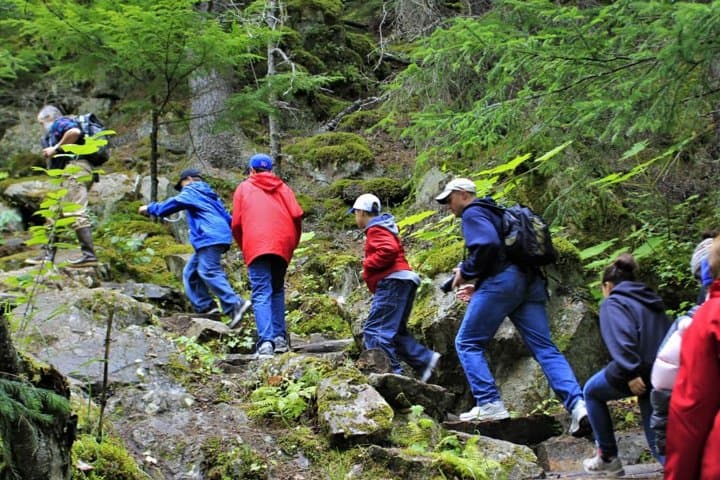
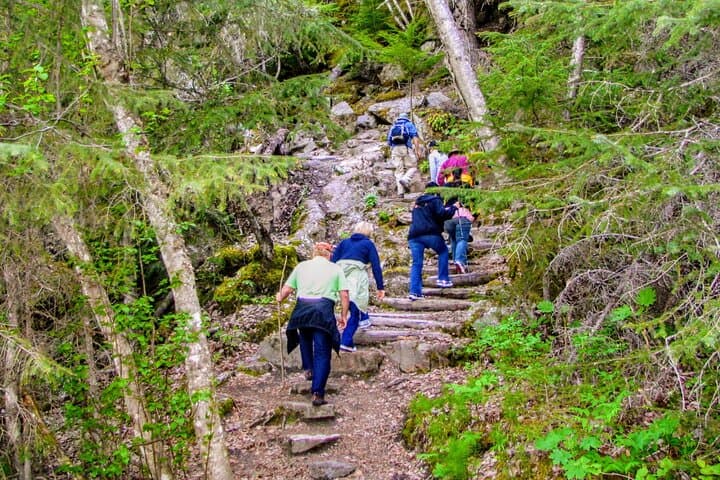
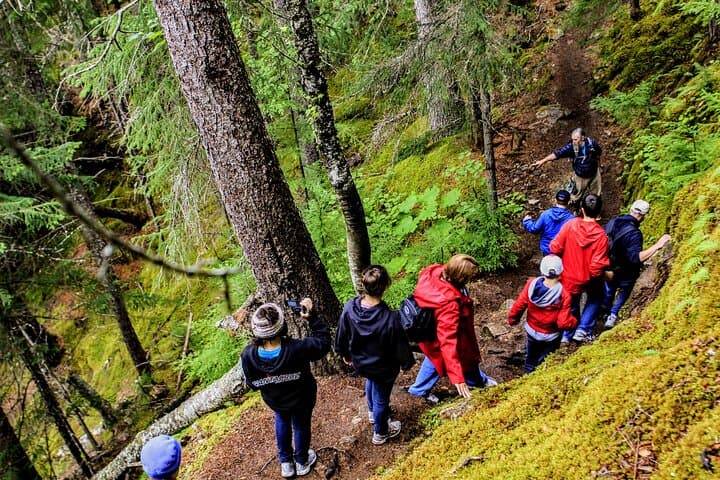
You step off the pier in Skagway with sea air still on your skin and within minutes the road peels away from town into a coastal ribbon of spruce and alder. The van winds nine miles into Dyea, where the Chilkoot Trail opens like an old map: a two-mile climb over glacial gravel, then a quiet drift on the Taiya River. The forest smells of wet wood; the river dares you to slow down and listen.
Verified experiences and guided adventures in the surrounding area.
Operated by Skagway Float Tours · Skagway, Alaska
You step off the pier in Skagway with sea air still on your skin and within minutes the road peels away from town into a coastal ribbon of spruce and alder. The van winds nine miles into Dyea, where the Chilkoot Trail opens like an old map: a two-mile climb over glacial gravel, then a quiet drift on the Taiya River. The forest smells of wet wood; the river dares you to slow down and listen.
The Chilkoot was a key artery during the Klondike Gold Rush of the 1890s — stampeders lugged supplies up the steep pass that still bears the scars of boot and sled. Geology here is blunt and recent: glacial moraine and braided river channels reshaped by ice and tide. Native Tlingit people have long ties to the Dyea valley; guides typically weave those stories with Gold Rush history while pointing out old trail cuts and graveled shorelines.
Practicality guides the day: expect roughly 1.5–2 hours of moderately strenuous hiking over uneven, sometimes muddy ground, followed by a 35–45 minute raft float. Guides supply life jackets, rubber boots, and a snack; groups are small (max 11) so the experience rarely feels crowded. Dress in layers, bring sturdy footwear with good traction, and pack water — the damp coastal microclimate can chill quickly when you stop.
Wildlife sightings are possible: sea otters, eagles, and black bears inhabit the corridor. Time your visit for daylight and calmer weather if you want the best odds of spotting them. For shore excursion travelers, this combo of trail and river is a compact, honest slice of Southeast Alaska’s backcountry — part history lesson, part moving landscape.
moderate.
3–4 hours.
Should be in good cardiovascular shape with stable ankles and knees; able to hike over uneven terrain for 1.5–2 hours.
The guided hike covers about two miles on the Chilkoot Trail and typically takes 1.5–2 hours depending on pace and stops.
Minimum age is 5; the hike is moderately strenuous and not recommended for guests with significant joint, balance, or cardiovascular issues.
Guides provide life jackets, rubber boots if needed, and a rain poncho; expect a 35–45 minute guided raft on the Taiya River.
Port pickup from your cruise ship pier is standard; alternative meet-up is at the operator office if arranged beforehand.
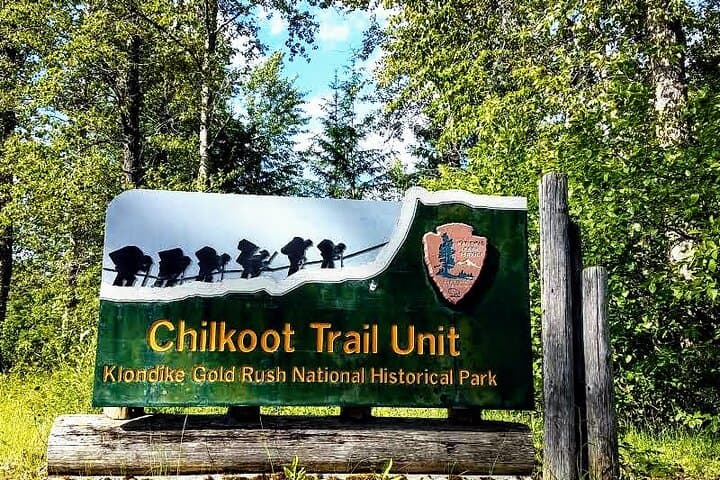
The Chilkoot Trail was a primary route for stampeders during the 1890s Klondike Gold Rush and is now part of Klondike Gold Rush National Historical Park.
The area is actively managed to protect fragile intertidal zones and alpine headwaters; stick to the marked trail and pack out all waste to reduce impact.
Skagway Float Tours operates guided outdoor trips and adventures with an emphasis on safety, stewardship, and memorable experiences.
You step off the pier in Skagway with sea air still on your skin and within minutes the road peels away from town into a coastal ribbon of spruce and alder. The van winds nine miles into Dyea, where the Chilkoot Trail opens like an old map: a two-mile climb over glacial gravel, then a quiet drift on the Taiya River. The forest smells of wet wood; the river dares you to slow down and listen.
You step off the pier in Skagway with sea air still on your skin and within minutes the road peels away from town into a coastal ribbon of spruce and alder. The van winds nine miles into Dyea, where the Chilkoot Trail opens like an old map: a two-mile climb over glacial gravel, then a quiet drift on the Taiya River. The forest smells of wet wood; the river dares you to slow down and listen.
The Chilkoot was a key artery during the Klondike Gold Rush of the 1890s — stampeders lugged supplies up the steep pass that still bears the scars of boot and sled. Geology here is blunt and recent: glacial moraine and braided river channels reshaped by ice and tide. Native Tlingit people have long ties to the Dyea valley; guides typically weave those stories with Gold Rush history while pointing out old trail cuts and graveled shorelines.
Practicality guides the day: expect roughly 1.5–2 hours of moderately strenuous hiking over uneven, sometimes muddy ground, followed by a 35–45 minute raft float. Guides supply life jackets, rubber boots, and a snack; groups are small (max 11) so the experience rarely feels crowded. Dress in layers, bring sturdy footwear with good traction, and pack water — the damp coastal microclimate can chill quickly when you stop.
Wildlife sightings are possible: sea otters, eagles, and black bears inhabit the corridor. Time your visit for daylight and calmer weather if you want the best odds of spotting them. For shore excursion travelers, this combo of trail and river is a compact, honest slice of Southeast Alaska’s backcountry — part history lesson, part moving landscape.