THE ADVENTURE COLLECTIVE® · Independent discovery and booking for outdoor travel

A four-hour, 9–12 mile whitewater run on the South Fork American River that stitches historic Gold Rush terrain with splashy Class II–III+ rapids. Meet in Pilot Hill for shuttles, PFDs, and a guide-led journey through “Meat Grinder,” “Triple Threat,” and the aptly named “Troublemaker.”
A four-hour, 9–12 mile whitewater run on the South Fork American River that stitches historic Gold Rush terrain with splashy Class II–III+ rapids. Meet in Pilot Hill for shuttles, PFDs, and a guide-led journey through “Meat Grinder,” “Triple Threat,” and the aptly named “Troublemaker.”
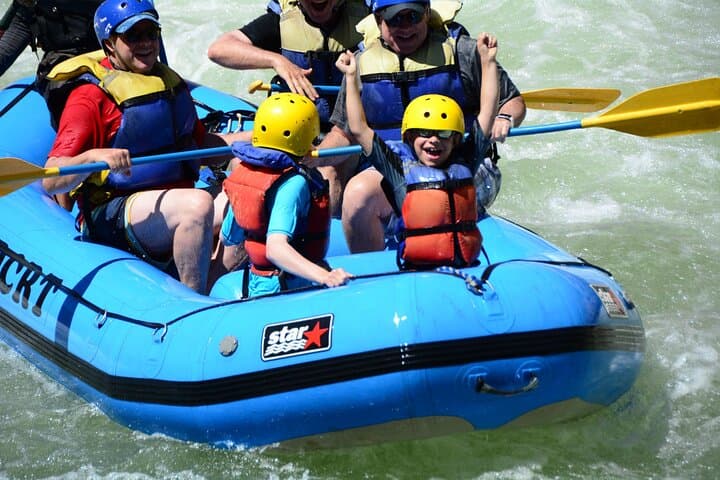
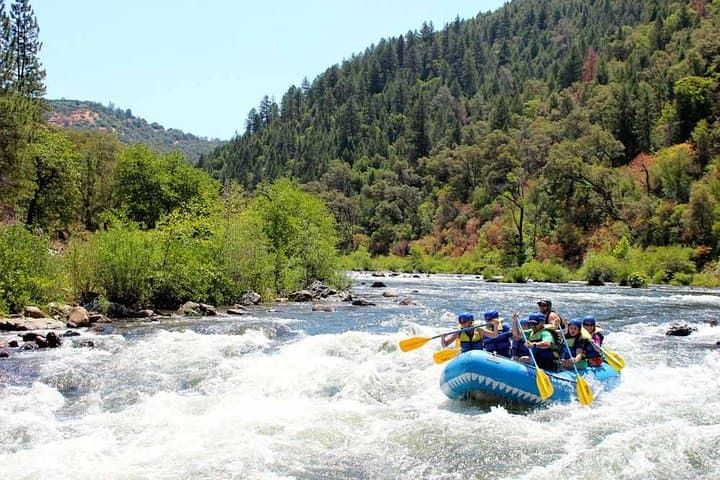
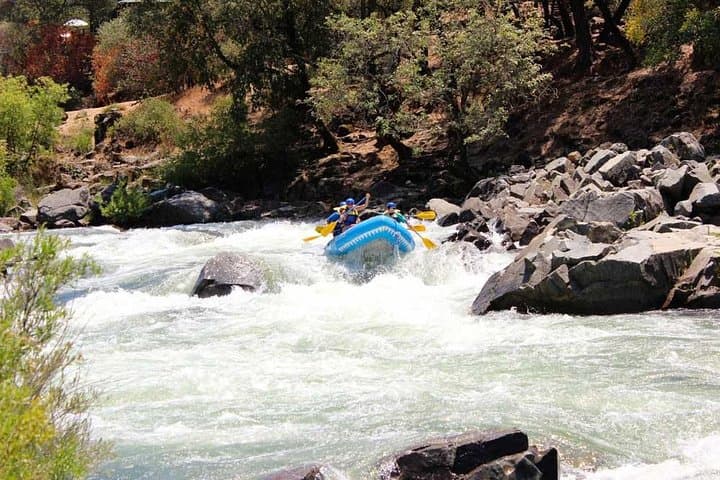
The raft jolts, the current answers, and for a few heartbeats the canyon narrows around you like a held breath. Sun cuts through oak and manzanita, lighting the river in bright strips while cold Sierra water slaps the oars. On the Chili Bar run the South Fork of the American River doesn’t politely meander — it charges, toys, and occasionally dares you to catch up.
Verified experiences and guided adventures in the surrounding area.
Operated by Tahoe Whitewater Tours · Placerville, California
The raft jolts, the current answers, and for a few heartbeats the canyon narrows around you like a held breath. Sun cuts through oak and manzanita, lighting the river in bright strips while cold Sierra water slaps the oars. On the Chili Bar run the South Fork of the American River doesn’t politely meander — it charges, toys, and occasionally dares you to catch up.
This 9–12 mile stretch has been attracting ambitious travelers since prospectors first dragged pans and sluices through its gravel in 1848. The gold rush remade the valley and left behind mining roads and small towns; today those same corridors give access to a river better known for its rapids than its flecks of metal. Geologically, the South Fork cuts through banded metamorphic rock and volcanic deposits, shaping a canyon that alternates between open, sunlit pools and narrower chutes where water accelerates and drops.
Guides point out the classics: an opening hit called “Meat Grinder,” the relentless play of “Triple Threat,” and the signature Class III+ drop near the end nicknamed “Troublemaker.” Between the excitement are long braided eddies and calm beaches where crews stop for a riverside lunch — an easy hour to dry off, rehydrate, and let the canyon noises fill the silence. Along the banks, you’ll pass oak-studded hills, occasional old mining scars, and the approach to Marshall Gold Discovery State Historic Park, a reminder that this landscape has always been a place of high stakes and movement.
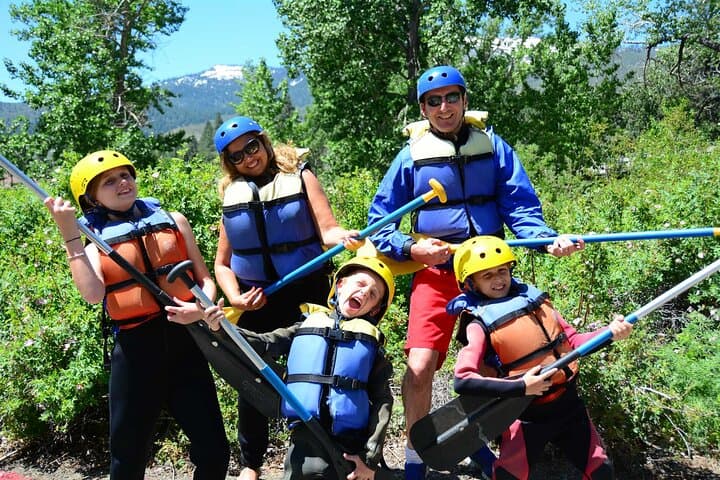
Practicalities matter here. The trip meets in Pilot Hill and includes round-trip shuttle to the put-in; total guided time runs about four hours. Expect splashy Class II and Class III rapids; swimmers should be comfortable in moving water and able to follow guide commands instantly. Operators supply PFDs and helmets; wetsuits or splash jackets are available when temperatures demand. Minimum age is 7 and maximum participant weight is typically 250 lbs.
For preparation: dress to get wet in quick-drying layers, secure shoes that won’t slip off, and stash a bottle of water and reef-safe sunscreen. Spring flows can be higher and punchier; summer brings warmer air but colder river temps; fall calms as flows drop. If weather or low bookings threaten safety, operators may cancel — their policy typically allows a full refund with 24 hours’ notice.
The Chili Bar run is straightforward to love and practical to plan: a compact, four-hour escape that pairs fast whitewater with foothill sunlight, historic context, and a strong safety culture. For paddlers who want serious rapids without a full-day commitment, the South Fork delivers an adrenalized, well-run shot of Sierra river running.
moderate.
4 hours.
Moderate — participants should be comfortable with dynamic activity, able to brace and swim in moving water if needed.
You meet in Pilot Hill where vans shuttle participants about 30 minutes to the river put-in and return you to the meeting point after the trip.
The guided trip is about 9–12 miles and runs roughly four hours, featuring Class II and Class III+ rapids including Meat Grinder and Troublemaker.
PFD, helmet, and transportation from the meeting location are included; wetsuits and splash jackets are available when conditions require them.
Minimum age is 7 years old and most operators set a maximum participant weight around 250 lbs for safety and equipment limits.
Wear quick-drying, synthetic clothing and secure footwear; bring a warm layer in spring or cold weather and avoid cotton.
Trips can be canceled for bad weather or insufficient travelers; full refunds are typically available if canceled at least 24 hours prior.
The South Fork helped trigger the 1848 California Gold Rush; mining roads and small historic sites still line the canyon and inform today’s access routes.
High-use days stress riverbanks—stick to established shorelines, pack out all trash, and use biodegradable sunscreen to reduce chemical impact.
Tahoe Whitewater Tours operates guided outdoor trips and adventures with an emphasis on safety, stewardship, and memorable experiences.
The raft jolts, the current answers, and for a few heartbeats the canyon narrows around you like a held breath. Sun cuts through oak and manzanita, lighting the river in bright strips while cold Sierra water slaps the oars. On the Chili Bar run the South Fork of the American River doesn’t politely meander — it charges, toys, and occasionally dares you to catch up.
The raft jolts, the current answers, and for a few heartbeats the canyon narrows around you like a held breath. Sun cuts through oak and manzanita, lighting the river in bright strips while cold Sierra water slaps the oars. On the Chili Bar run the South Fork of the American River doesn’t politely meander — it charges, toys, and occasionally dares you to catch up.
This 9–12 mile stretch has been attracting ambitious travelers since prospectors first dragged pans and sluices through its gravel in 1848. The gold rush remade the valley and left behind mining roads and small towns; today those same corridors give access to a river better known for its rapids than its flecks of metal. Geologically, the South Fork cuts through banded metamorphic rock and volcanic deposits, shaping a canyon that alternates between open, sunlit pools and narrower chutes where water accelerates and drops.
Guides point out the classics: an opening hit called “Meat Grinder,” the relentless play of “Triple Threat,” and the signature Class III+ drop near the end nicknamed “Troublemaker.” Between the excitement are long braided eddies and calm beaches where crews stop for a riverside lunch — an easy hour to dry off, rehydrate, and let the canyon noises fill the silence. Along the banks, you’ll pass oak-studded hills, occasional old mining scars, and the approach to Marshall Gold Discovery State Historic Park, a reminder that this landscape has always been a place of high stakes and movement.
Practicalities matter here. The trip meets in Pilot Hill and includes round-trip shuttle to the put-in; total guided time runs about four hours. Expect splashy Class II and Class III rapids; swimmers should be comfortable in moving water and able to follow guide commands instantly. Operators supply PFDs and helmets; wetsuits or splash jackets are available when temperatures demand. Minimum age is 7 and maximum participant weight is typically 250 lbs.
For preparation: dress to get wet in quick-drying layers, secure shoes that won’t slip off, and stash a bottle of water and reef-safe sunscreen. Spring flows can be higher and punchier; summer brings warmer air but colder river temps; fall calms as flows drop. If weather or low bookings threaten safety, operators may cancel — their policy typically allows a full refund with 24 hours’ notice.
The Chili Bar run is straightforward to love and practical to plan: a compact, four-hour escape that pairs fast whitewater with foothill sunlight, historic context, and a strong safety culture. For paddlers who want serious rapids without a full-day commitment, the South Fork delivers an adrenalized, well-run shot of Sierra river running.