THE ADVENTURE COLLECTIVE® · Independent discovery and booking for outdoor travel

Experience Chilam Joshi, the Kalash spring festival, across three remote valleys with guided cultural walks, museum visits, and off-road jeep rides. This immersive 8–9 day tour blends long mountain drives with village stays and close-up encounters with one of Pakistan’s most distinct communities.
Experience Chilam Joshi, the Kalash spring festival, across three remote valleys with guided cultural walks, museum visits, and off-road jeep rides. This immersive 8–9 day tour blends long mountain drives with village stays and close-up encounters with one of Pakistan’s most distinct communities.
High on the southern flank of the Hindu Kush, the Kalash valleys break open through serrated ridges: steep terraces, pine-scented air, and villages that keep time by music. Arriving by road, travelers notice the rhythm change—engine hum gives way to goat bells and drums—as the festival amplifies daily life into a public rite.
Verified experiences and guided adventures in the surrounding area.
Operated by Exploria · Bumburet (Kalash Valley), Khyber Pakhtunkhwa
High on the southern flank of the Hindu Kush, the Kalash valleys break open through serrated ridges: steep terraces, pine-scented air, and villages that keep time by music. Arriving by road, travelers notice the rhythm change—engine hum gives way to goat bells and drums—as the festival amplifies daily life into a public rite.
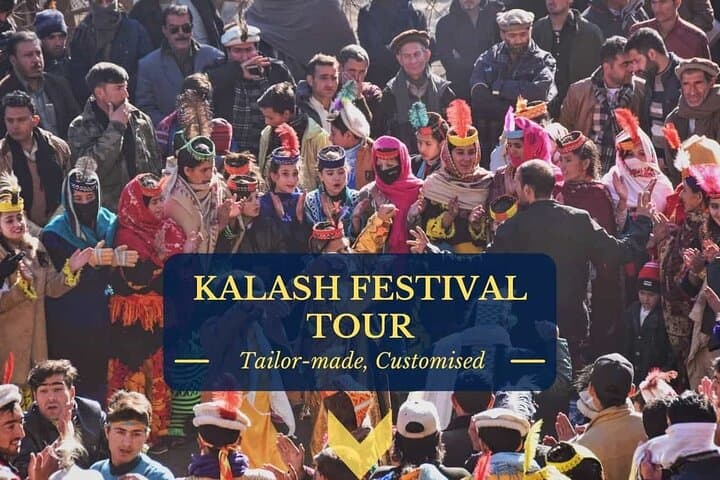
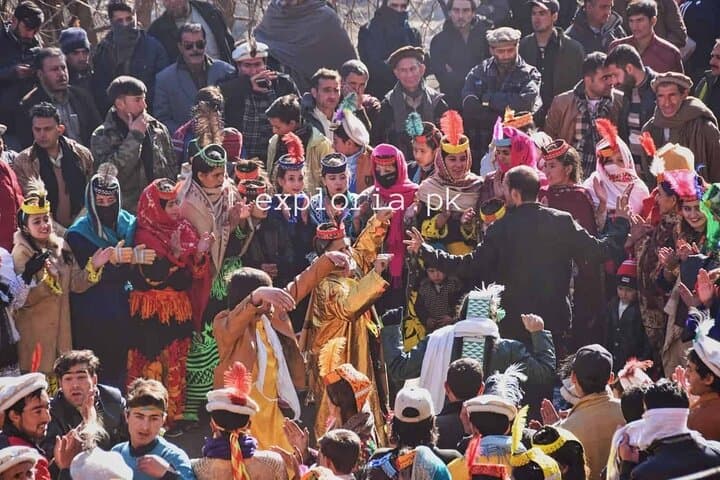
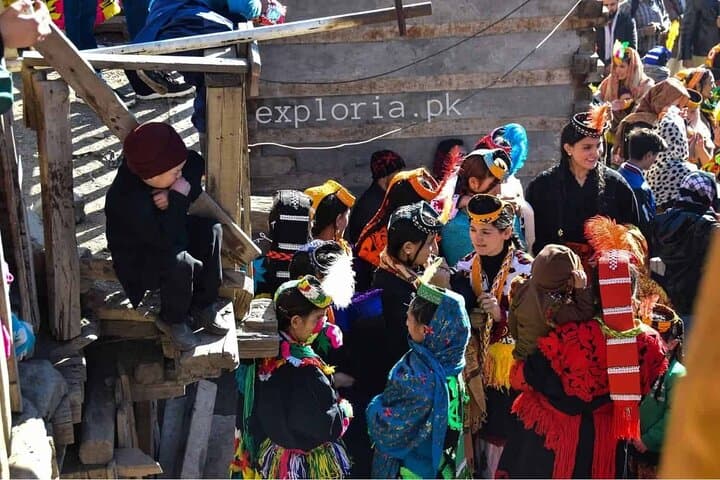
The Chilam Joshi festival is an annual spring ceremony, celebrated in early May, when Kalash men and women dance in bright caps and beaded dresses to pray for fertile fields and healthy herds. Geologically these valleys are carved by ancient glaciers and seasonal streams; culturally they preserve an Indo-Aryan lineage with distinct polytheistic practices, unique dress, and communal houses called khans. Visitors will encounter gravesites that map local ancestry and a museum that records the community's oral history.
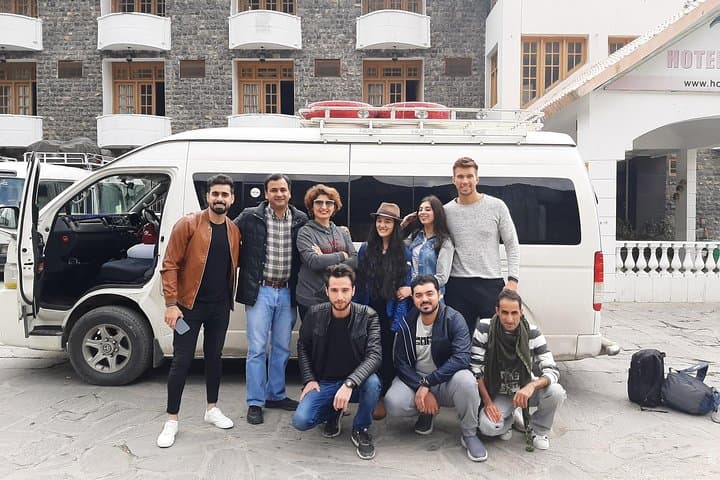
Expect long drives and one-hour off-road jeep stretches into Bumburet and Rumbur; elevations range roughly 1,600–2,200 m, with narrow mountain roads and occasional steep switchbacks. Practical tips: travel light but layered—days warm, nights cold—carry cash for small purchases, and ask permission before photographing ritual moments. The tour’s pace balances guided cultural walks, museum time, and unstructured village immersion, giving space for respectful exchange with hosts.
For planners: schedule the trip for Chilam Joshi in early May, book accommodations in advance, and prepare for basic guest-house comforts in the valleys. Hydrate on long drives, wear sturdy shoes for uneven paths, and leave no trace to support a fragile mountain community.
moderate.
8–9 days.
Moderate: able to handle multi-hour drives, short village walks (up to 3–4 hours total per day), and uneven trails at altitude.
Chilam Joshi takes place in early May each year; dates can shift slightly by community calendar, so confirm with organizers before booking.
Foreign visitors generally require no special permit beyond normal travel documents, but always carry ID and confirm any local restrictions with your tour operator.
Accommodation ranges from basic guest-houses in the valleys to 3–4 star hotels in Islamabad and Swat; expect simpler amenities while staying in Bumburet or Rumbur.
The itinerary involves off-road jeep travel and uneven village paths; it’s not recommended for travelers with serious mobility limitations or certain health conditions.
The Kalash are an Indo-Aryan-speaking community with distinct polytheistic rituals and social customs; Chilam Joshi marks their spring fertility rites and community matchmaking.
These high valleys are ecologically sensitive; visitors should minimize waste, use local guides and accommodations that support the community, and avoid disturbing grazing patterns.
Exploria operates guided outdoor trips and adventures with an emphasis on safety, stewardship, and memorable experiences.
High on the southern flank of the Hindu Kush, the Kalash valleys break open through serrated ridges: steep terraces, pine-scented air, and villages that keep time by music. Arriving by road, travelers notice the rhythm change—engine hum gives way to goat bells and drums—as the festival amplifies daily life into a public rite.
High on the southern flank of the Hindu Kush, the Kalash valleys break open through serrated ridges: steep terraces, pine-scented air, and villages that keep time by music. Arriving by road, travelers notice the rhythm change—engine hum gives way to goat bells and drums—as the festival amplifies daily life into a public rite.
The Chilam Joshi festival is an annual spring ceremony, celebrated in early May, when Kalash men and women dance in bright caps and beaded dresses to pray for fertile fields and healthy herds. Geologically these valleys are carved by ancient glaciers and seasonal streams; culturally they preserve an Indo-Aryan lineage with distinct polytheistic practices, unique dress, and communal houses called khans. Visitors will encounter gravesites that map local ancestry and a museum that records the community's oral history.
Expect long drives and one-hour off-road jeep stretches into Bumburet and Rumbur; elevations range roughly 1,600–2,200 m, with narrow mountain roads and occasional steep switchbacks. Practical tips: travel light but layered—days warm, nights cold—carry cash for small purchases, and ask permission before photographing ritual moments. The tour’s pace balances guided cultural walks, museum time, and unstructured village immersion, giving space for respectful exchange with hosts.
For planners: schedule the trip for Chilam Joshi in early May, book accommodations in advance, and prepare for basic guest-house comforts in the valleys. Hydrate on long drives, wear sturdy shoes for uneven paths, and leave no trace to support a fragile mountain community.