THE ADVENTURE COLLECTIVE® · Independent discovery and booking for outdoor travel

Experience Chichicastenango’s market day: a sensory-rich, living expression of K’iche’ Maya culture. This walking tour from Panajachel gets you into the heart of Central America’s largest indigenous market with practical guidance for navigating crowds, customs and bargains.
Experience Chichicastenango’s market day: a sensory-rich, living expression of K’iche’ Maya culture. This walking tour from Panajachel gets you into the heart of Central America’s largest indigenous market with practical guidance for navigating crowds, customs and bargains.
You step off the minivan onto a cobblestone plaza where voices, textiles and the smell of warm tamales collide. Stalls tilt toward the light, color daring you to look closer: embroidered cortes, handwoven belts, baskets piled high with chiles and flowers. Above the market the Iglesia de Santo Tomás perches like an old guardian; the highland air moves through the town with a patient, watchful rhythm.
Verified experiences and guided adventures in the surrounding area.
Operated by Tours / Activities SA ((T&ASA)) · Chichicastenango, El Quiché
You step off the minivan onto a cobblestone plaza where voices, textiles and the smell of warm tamales collide. Stalls tilt toward the light, color daring you to look closer: embroidered cortes, handwoven belts, baskets piled high with chiles and flowers. Above the market the Iglesia de Santo Tomás perches like an old guardian; the highland air moves through the town with a patient, watchful rhythm.
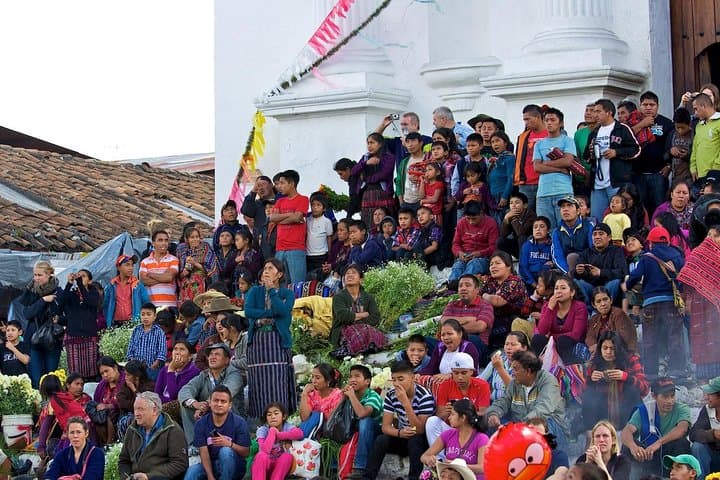
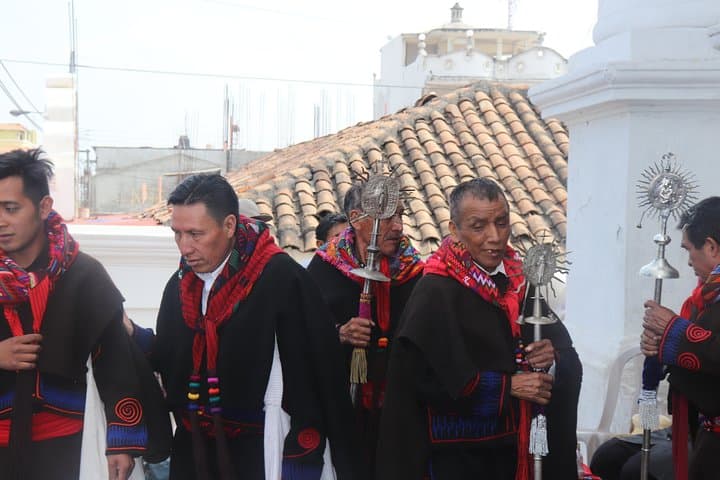
Chichicastenango sits on the Guatemalan highland plateau of El Quiché, shaped by volcanic soils and steep ridgelines that influence both crops and craft traditions. The town is a living center of K’iche’ Maya culture — languages, dress, and rituals continue alongside Catholic rites inside Santo Tomás, where the Popol Vuh’s local history is part of the town’s story. Market days — traditionally Thursday and Sunday — concentrate trade, news and ceremony in the central plaza.
Practically, expect uneven cobbles, tight aisles, and a steady flow of locals buying staples rather than tourist browsing. Bring small bills and coins; most vendors prefer cash and small change. Arrive early to avoid midday crowds and to see traditional offerings laid out on textiles; midmorning is best for light and movement. Respect requests about photography, especially at ritual sites and of elders in traditional dress. Keep water, sun protection and comfortable walking shoes handy; plan a slow pace to absorb the layers of commerce and culture. If coming from Lake Atitlán, organized tours commonly include pickup in Panajachel and a short boat or road transfer — an efficient way to experience one of Central America’s largest indigenous markets in a single, immersive day.
easy.
7 hours.
Light walking stamina is sufficient; expect several hours on uneven ground and brief uphill sections around the plaza.
Chichicastenango’s largest market occurs on Thursdays and Sundays, with smaller local activity on other days; many tours target those two market days.
You can photograph stalls and scenery, but ask permission before photographing people, especially vendors or ritual activities — many expect a small tip for portraits.
Most transactions are cash-only; carry Guatemalan quetzales in small bills and coins for purchases and street food.
Organized day tours are typically about 7 hours round trip, including hotel pickup in Panajachel and transfers (often a short boat or road segment).
Chichicastenango has been an indigenous trading center for centuries; the Iglesia de Santo Tomás sits on a pre-Columbian sacred site and the town maintains strong K’iche’ Maya traditions.
The market generates significant waste and demand for packaged goods; support artisans directly, avoid single-use plastics, and carry out any non-compostable trash to reduce local impact.
Tours / Activities SA ((T&ASA)) operates guided outdoor trips and adventures with an emphasis on safety, stewardship, and memorable experiences.
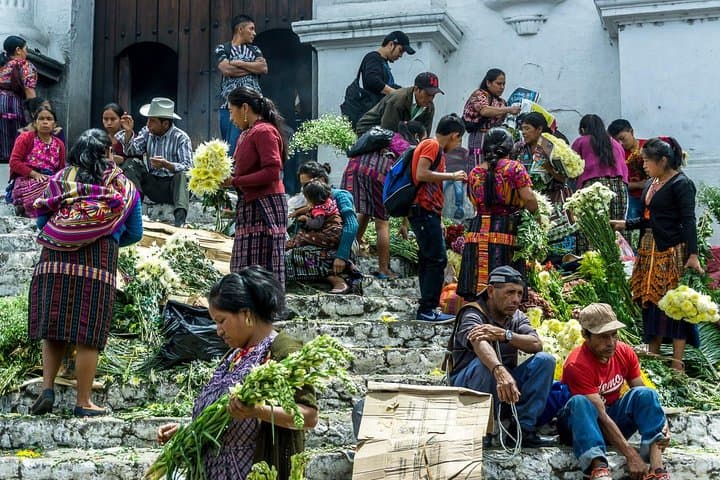
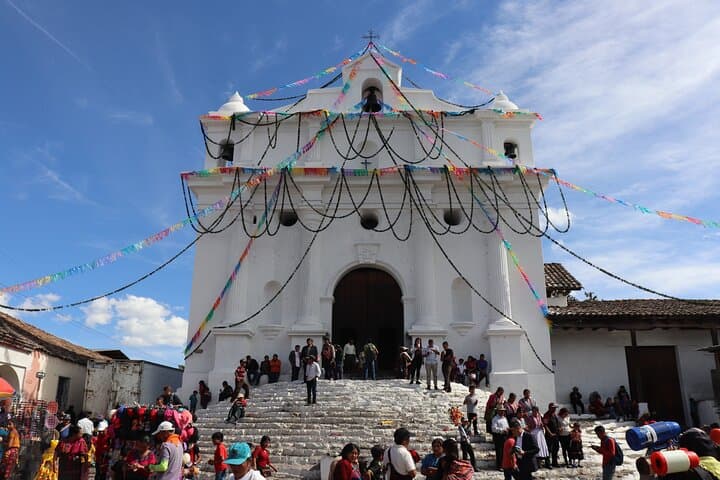
You step off the minivan onto a cobblestone plaza where voices, textiles and the smell of warm tamales collide. Stalls tilt toward the light, color daring you to look closer: embroidered cortes, handwoven belts, baskets piled high with chiles and flowers. Above the market the Iglesia de Santo Tomás perches like an old guardian; the highland air moves through the town with a patient, watchful rhythm.
You step off the minivan onto a cobblestone plaza where voices, textiles and the smell of warm tamales collide. Stalls tilt toward the light, color daring you to look closer: embroidered cortes, handwoven belts, baskets piled high with chiles and flowers. Above the market the Iglesia de Santo Tomás perches like an old guardian; the highland air moves through the town with a patient, watchful rhythm.
Chichicastenango sits on the Guatemalan highland plateau of El Quiché, shaped by volcanic soils and steep ridgelines that influence both crops and craft traditions. The town is a living center of K’iche’ Maya culture — languages, dress, and rituals continue alongside Catholic rites inside Santo Tomás, where the Popol Vuh’s local history is part of the town’s story. Market days — traditionally Thursday and Sunday — concentrate trade, news and ceremony in the central plaza.
Practically, expect uneven cobbles, tight aisles, and a steady flow of locals buying staples rather than tourist browsing. Bring small bills and coins; most vendors prefer cash and small change. Arrive early to avoid midday crowds and to see traditional offerings laid out on textiles; midmorning is best for light and movement. Respect requests about photography, especially at ritual sites and of elders in traditional dress. Keep water, sun protection and comfortable walking shoes handy; plan a slow pace to absorb the layers of commerce and culture. If coming from Lake Atitlán, organized tours commonly include pickup in Panajachel and a short boat or road transfer — an efficient way to experience one of Central America’s largest indigenous markets in a single, immersive day.