THE ADVENTURE COLLECTIVE® · Independent discovery and booking for outdoor travel

Spend a full day exploring Chichén Itzá’s iconic pyramid, swim in a nearby cenote, and stroll colonial Valladolid. This VIP day tour blends guided history with free time and a regional lunch.
Spend a full day exploring Chichén Itzá’s iconic pyramid, swim in a nearby cenote, and stroll colonial Valladolid. This VIP day tour blends guided history with free time and a regional lunch.
You arrive before the heat stamps the stone, the Pyramid of Kukulkan standing like a calendar carved from sun-baked limestone. Guides move like translators of time, tracing astronomy, sacrifice, and political power across steep steps and shadowed colonnades; the plaza smells faintly of dust and sweat, tourists whispering the past into the present.
Verified experiences and guided adventures in the surrounding area.
Operated by Cancun Tours Book · Pisté, Yucatán
You arrive before the heat stamps the stone, the Pyramid of Kukulkan standing like a calendar carved from sun-baked limestone. Guides move like translators of time, tracing astronomy, sacrifice, and political power across steep steps and shadowed colonnades; the plaza smells faintly of dust and sweat, tourists whispering the past into the present.
Chichén Itzá grew between the 7th and 10th centuries as a cosmopolitan Maya center where trade routes, astronomy, and ritual converged. The limestone here was sculpted by wind and rain; cenotes — underground aquifers dissolved through karst — fed both city and myth. Nearby Valladolid began as a colonial outpost layered over Maya settlements, offering a living contrast of Spanish architecture and Yucatecan markets.
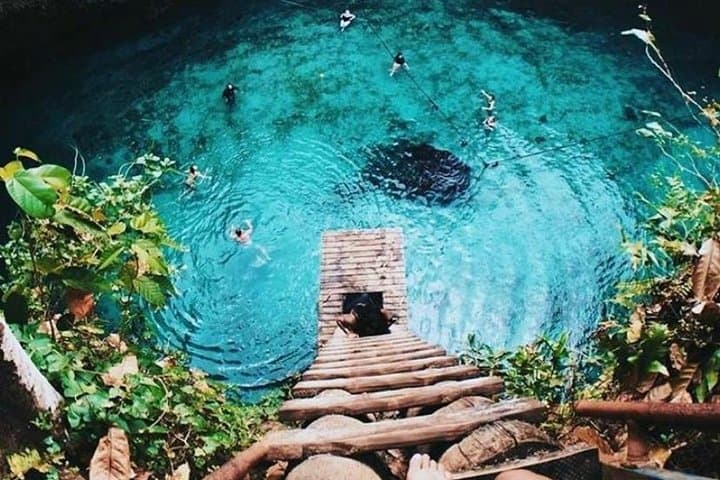
Expect 2–3 hours at the ruins with a guided segment and free time to climb viewpoints, then a refreshing swim in a sacred cenote where cool water seems to pull the heat away. A stop in Valladolid gives 45 minutes to stroll a colorful main street, sample cochinita pibil, or visit a quiet convent yard. The day is long — 11–13 hours roundtrip from the Riviera Maya — so pace yourself.
Practical tips: bring sun protection, refillable water, and light footwear for uneven stone. Respect barriers: climbing some structures is prohibited. If you’re sensitive to crowds or heat, schedule this early in the morning and hydrate often. The tour balances history, geology, and a splash of local life — a full sensory primer on the Yucatán’s layered landscape.
easy.
11–13 hours.
Comfortable with long days standing and walking on uneven ground; able to handle heat and brief swims.
Guided time at the ruins is included as described; verify ticket inclusion on booking details — some packages include entrance while others require separate payment.
The itinerary allows about 2 hours at the cenote including swimming and lunch; swimming is optional and life jackets are usually available.
Most VIP day tours include round-trip pickup from major hotels in Playa del Carmen and nearby resorts; confirm your pickup point when booking.
Portions are accessible — the bus and some flat areas are wheelchair friendly, but many ruin zones have steps and uneven surfaces that limit access.
Chichén Itzá was a major Maya political and ceremonial center; its Kukulkan pyramid encodes astronomical knowledge, especially during equinox shadow events.
High visitor numbers stress fragile stone and cenote ecosystems; follow marked paths, avoid single-use plastics, and use biodegradable sunscreen to protect aquatic life.
Cancun Tours Book operates guided outdoor trips and adventures with an emphasis on safety, stewardship, and memorable experiences.
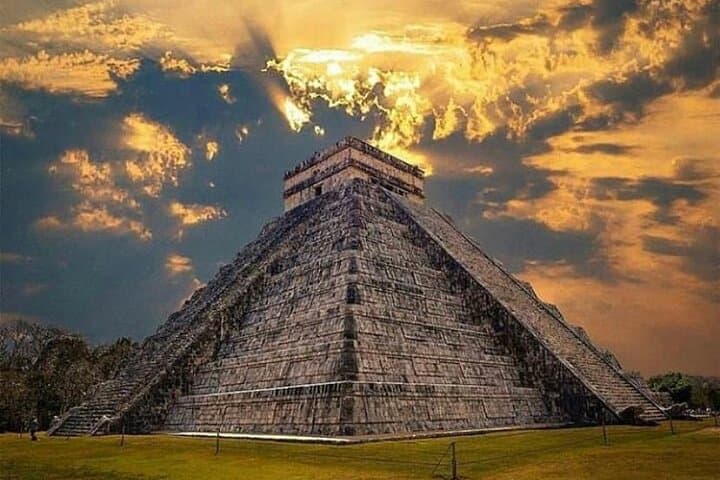
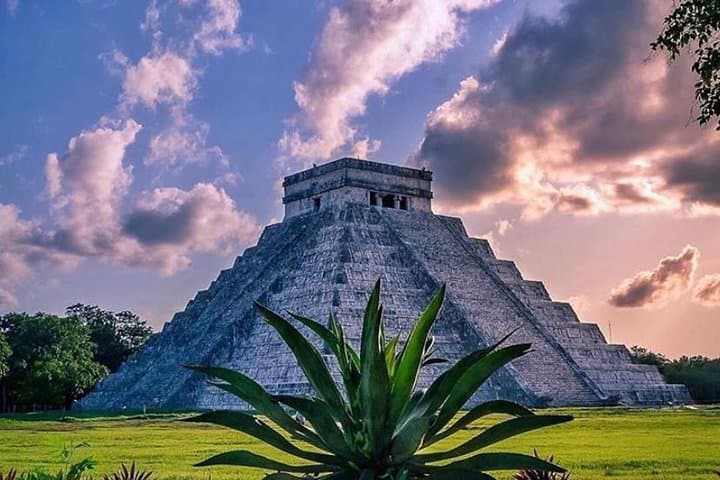
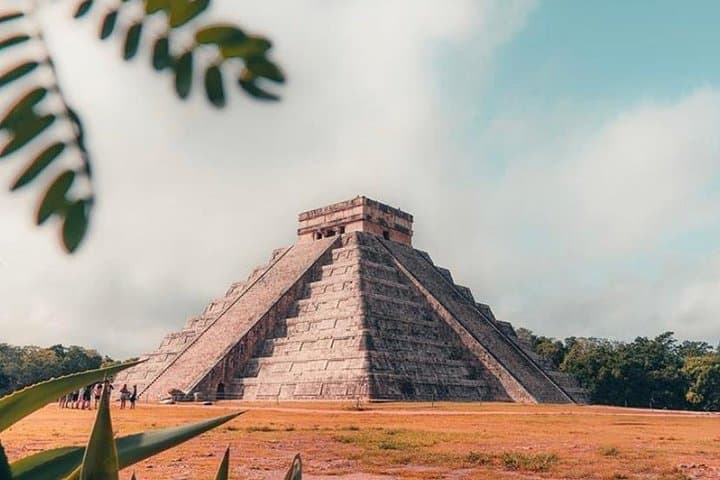
You arrive before the heat stamps the stone, the Pyramid of Kukulkan standing like a calendar carved from sun-baked limestone. Guides move like translators of time, tracing astronomy, sacrifice, and political power across steep steps and shadowed colonnades; the plaza smells faintly of dust and sweat, tourists whispering the past into the present.
You arrive before the heat stamps the stone, the Pyramid of Kukulkan standing like a calendar carved from sun-baked limestone. Guides move like translators of time, tracing astronomy, sacrifice, and political power across steep steps and shadowed colonnades; the plaza smells faintly of dust and sweat, tourists whispering the past into the present.
Chichén Itzá grew between the 7th and 10th centuries as a cosmopolitan Maya center where trade routes, astronomy, and ritual converged. The limestone here was sculpted by wind and rain; cenotes — underground aquifers dissolved through karst — fed both city and myth. Nearby Valladolid began as a colonial outpost layered over Maya settlements, offering a living contrast of Spanish architecture and Yucatecan markets.
Expect 2–3 hours at the ruins with a guided segment and free time to climb viewpoints, then a refreshing swim in a sacred cenote where cool water seems to pull the heat away. A stop in Valladolid gives 45 minutes to stroll a colorful main street, sample cochinita pibil, or visit a quiet convent yard. The day is long — 11–13 hours roundtrip from the Riviera Maya — so pace yourself.
Practical tips: bring sun protection, refillable water, and light footwear for uneven stone. Respect barriers: climbing some structures is prohibited. If you’re sensitive to crowds or heat, schedule this early in the morning and hydrate often. The tour balances history, geology, and a splash of local life — a full sensory primer on the Yucatán’s layered landscape.