THE ADVENTURE COLLECTIVE® · Independent discovery and booking for outdoor travel

Spend a full day moving from colonial streets to sacred sinkholes and a UNESCO-recognized Mayan city. This tour blends artisan markets, a Mayan purification ritual, swims in Suytun and Ik-Kil cenotes, and a guided visit to Chichén Itzá.
Spend a full day moving from colonial streets to sacred sinkholes and a UNESCO-recognized Mayan city. This tour blends artisan markets, a Mayan purification ritual, swims in Suytun and Ik-Kil cenotes, and a guided visit to Chichén Itzá.
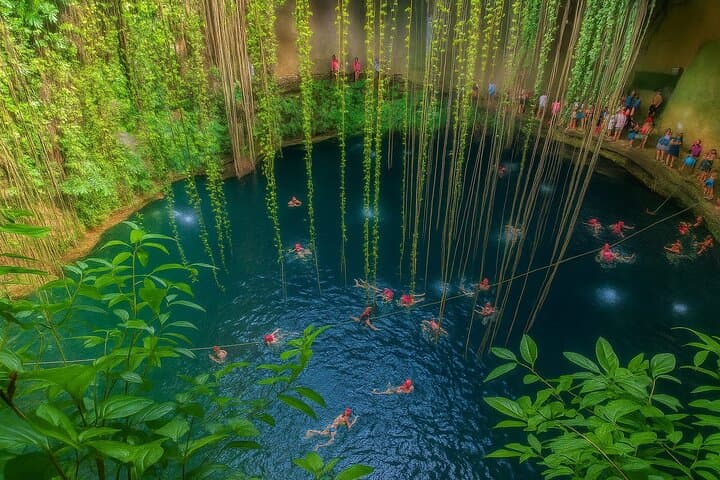
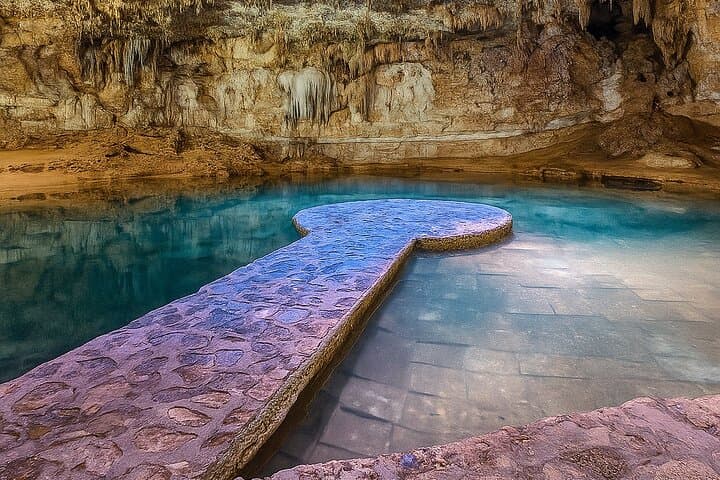
You step off the air-conditioned van and the heat of the Yucatán presses like a promise—humid, sun-loaded, and scenting of wet stone. The first stop, a cooperative market, hums with handwoven hammocks and lacquered bowls as local artisans explain patterns that have lasted generations. Later, water waits in sinkholes sunk deep into limestone: Suytun’s photogenic stone platform floats under a single shaft of light; Ik-Kil’s vines drop like green ropes toward the clear, cool pool below. The water dares you to enter and cool off.
Verified experiences and guided adventures in the surrounding area.
Operated by Giovanny Castañeda · Valladolid, Yucatán
You step off the air-conditioned van and the heat of the Yucatán presses like a promise—humid, sun-loaded, and scenting of wet stone. The first stop, a cooperative market, hums with handwoven hammocks and lacquered bowls as local artisans explain patterns that have lasted generations. Later, water waits in sinkholes sunk deep into limestone: Suytun’s photogenic stone platform floats under a single shaft of light; Ik-Kil’s vines drop like green ropes toward the clear, cool pool below. The water dares you to enter and cool off.
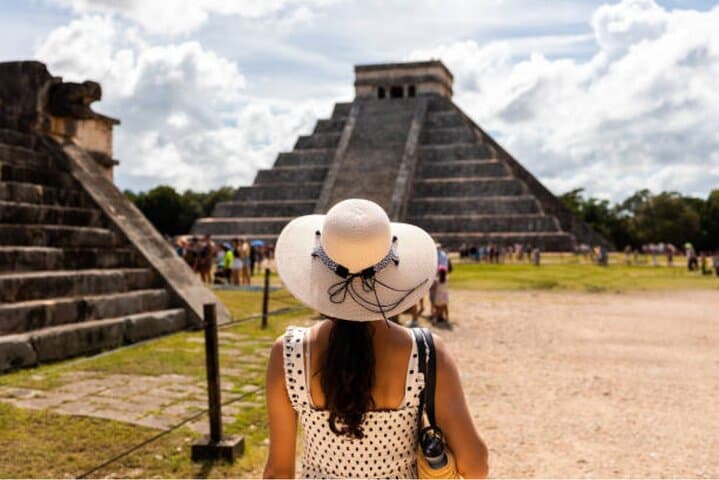
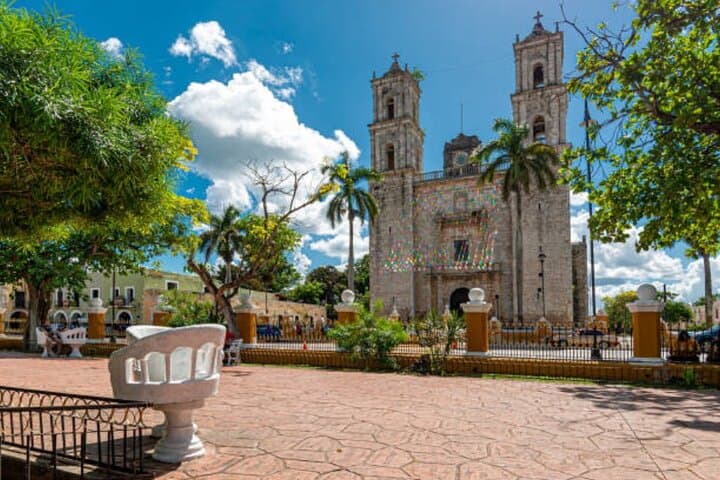
This route stitches centuries together: the colonial grid of Valladolid, the sacred caverns used by the Maya, and the monumental stone geometry of Chichén Itzá dominated by the Temple of Kukulkán. Geologically, cenotes form where dissolved limestone collapsed and exposed the aquifer—fresh, clear water fed by underground rivers that shaped Mayan settlement patterns. Culturally, the day highlights living traditions: a Mayan purification ritual and Yucatecan buffet at a cooperative preserve regional gastronomy.
Practical edge: expect an 11‑hour day with roughly two hours on site at Chichén Itzá and swims limited to about an hour per cenote. Wear quick-dry clothing and water shoes for slick steps, and shower before entering cenotes if required. Bring a reusable water bottle, reef‑safe sunscreen, insect repellent, and a small cash reserve for souvenirs and tips. Morning light is best for photos at Suytun; late afternoon brings softer shadows at the ruins. Pace yourself—this is a full, sensory day that moves from market chatter to cathedral bells to cool, subterranean calm.
moderate.
11 hours.
Moderate fitness; able to walk on uneven terrain and descend stairs; comfortable with short swims
Yes—attendants manage access and life jackets are typically provided and required in deeper cenotes like Ik-Kil.
An expert guide accompanies the group at Chichén Itzá and explains the site's major structures during the allotted time.
Non-swimmers can stay on the platforms or use life jackets; entry policies vary so inform the operator if you don’t plan to swim.
Lunch is included—a buffet of Yucatecan dishes at a local restaurant with both alcoholic and non-alcoholic drinks offered.
Chichén Itzá was a major Maya city (Classic to Postclassic era) famous for astronomical alignments—Kukulkán’s shadow serpent appears on the pyramid during equinoxes.
Cenotes are delicate freshwater systems—minimize chemicals, avoid single-use plastics, and follow local rules like mandatory showers to protect groundwater.
Giovanny Castañeda operates guided outdoor trips and adventures with an emphasis on safety, stewardship, and memorable experiences.
You step off the air-conditioned van and the heat of the Yucatán presses like a promise—humid, sun-loaded, and scenting of wet stone. The first stop, a cooperative market, hums with handwoven hammocks and lacquered bowls as local artisans explain patterns that have lasted generations. Later, water waits in sinkholes sunk deep into limestone: Suytun’s photogenic stone platform floats under a single shaft of light; Ik-Kil’s vines drop like green ropes toward the clear, cool pool below. The water dares you to enter and cool off.
You step off the air-conditioned van and the heat of the Yucatán presses like a promise—humid, sun-loaded, and scenting of wet stone. The first stop, a cooperative market, hums with handwoven hammocks and lacquered bowls as local artisans explain patterns that have lasted generations. Later, water waits in sinkholes sunk deep into limestone: Suytun’s photogenic stone platform floats under a single shaft of light; Ik-Kil’s vines drop like green ropes toward the clear, cool pool below. The water dares you to enter and cool off.
This route stitches centuries together: the colonial grid of Valladolid, the sacred caverns used by the Maya, and the monumental stone geometry of Chichén Itzá dominated by the Temple of Kukulkán. Geologically, cenotes form where dissolved limestone collapsed and exposed the aquifer—fresh, clear water fed by underground rivers that shaped Mayan settlement patterns. Culturally, the day highlights living traditions: a Mayan purification ritual and Yucatecan buffet at a cooperative preserve regional gastronomy.
Practical edge: expect an 11‑hour day with roughly two hours on site at Chichén Itzá and swims limited to about an hour per cenote. Wear quick-dry clothing and water shoes for slick steps, and shower before entering cenotes if required. Bring a reusable water bottle, reef‑safe sunscreen, insect repellent, and a small cash reserve for souvenirs and tips. Morning light is best for photos at Suytun; late afternoon brings softer shadows at the ruins. Pace yourself—this is a full, sensory day that moves from market chatter to cathedral bells to cool, subterranean calm.