THE ADVENTURE COLLECTIVE® · Independent discovery and booking for outdoor travel

A single long day connects one of the New Seven Wonders with a fresh-water cenote and the colonial charm of Valladolid. This guide outlines what to expect—timing, logistics and on-the-ground tips to make the most of the journey from Tulum.
A single long day connects one of the New Seven Wonders with a fresh-water cenote and the colonial charm of Valladolid. This guide outlines what to expect—timing, logistics and on-the-ground tips to make the most of the journey from Tulum.
You step off the cool bus into a plaza ringed by stone—heat rising from carved staircases while wind threads through columns that once held ceremonial banners. The Castillo looms, its stepped faces throwing crisp shadows that mark the hours like a living calendar.
Verified experiences and guided adventures in the surrounding area.
Operated by Best Price Cancún Tours · Chichén Itzá, Yucatán
You step off the cool bus into a plaza ringed by stone—heat rising from carved staircases while wind threads through columns that once held ceremonial banners. The Castillo looms, its stepped faces throwing crisp shadows that mark the hours like a living calendar.
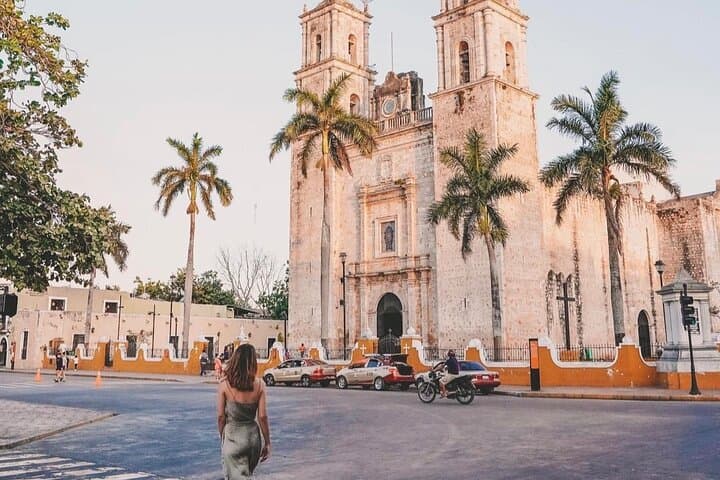
Chichén Itzá began as a Maya center of trade, astronomy and ritual; its pyramid of Kukulcán aligns to equinox light shows that still draw crowds. The limestone plain here is part of the Yucatán karst: sinkholes, underground rivers and cenotes formed as the sea retreated, carving fresh-water pockets beneath the surface. Valladolid follows the ruins with colonial masonry, painted facades and a slow town square that offers a counterpoint to the archaeological bustle.
A nearby cenote lets you trade stone for water—clear, cool, edged by roots and ferns—where swimming is both refreshment and a tactile link to the region’s hydrology.
Practicalities: expect a long day—roughly 13 hours including transit—so plan for sun protection, repeated hydration and comfortable shoes for uneven surfaces. The tour includes entrance fees, a certified guide and a buffet lunch, but bring cash for snacks and souvenirs in Valladolid. Leave non‑biodegradable sunscreen and heavy jewelry at your accommodation; the cenote is ecologically sensitive. Timing matters: arrive early to the ruins to avoid midday heat and bus clusters. With a measured pace—guided history, a cooling swim and a walk through a living colonial town—you get a full and grounded portrait of the Yucatán’s past and present.
easy.
13 hours.
Suitable for most fitness levels — requires long periods of sitting in transit and short-to-moderate walking on uneven ground.
Yes — the tour includes Chichén Itzá and cenote tickets plus a Mexican buffet lunch, as listed in the inclusions.
The total duration is about 13 hours (780 minutes) including roughly 4 hours of round-trip driving each way from Tulum.
The tour is described as physically easy, but allows for long travel time and walking on uneven surfaces; infants must sit on laps and strollers are usable in some areas.
Yes, the cenote visit includes time for swimming; locker availability varies by cenote—bring a dry bag and secure valuables.
Chichén Itzá was a major Maya and later Toltec-influenced center (circa 8th–12th centuries) known for precise astronomical architecture like the Castillo pyramid.
Cenotes and archaeological sites are sensitive; use biodegradable products, avoid touching carvings, and follow local guidelines to reduce erosion and water contamination.
Best Price Cancún Tours operates guided outdoor trips and adventures with an emphasis on safety, stewardship, and memorable experiences.

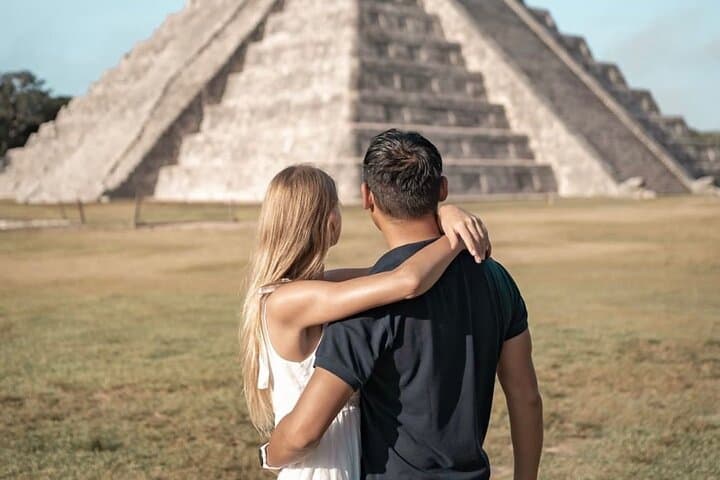
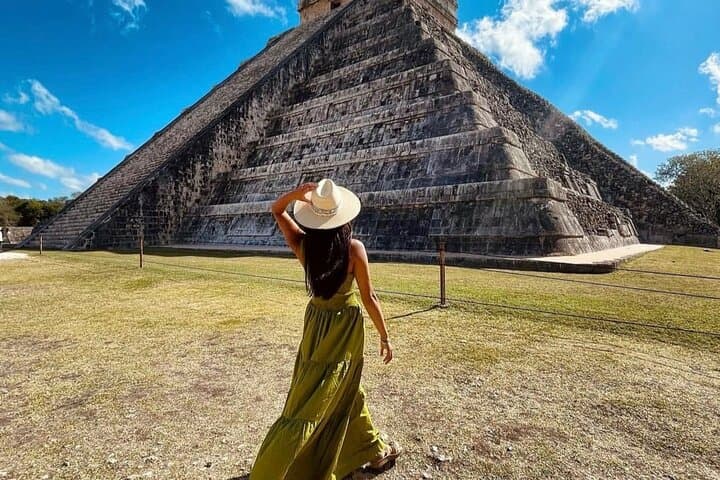
You step off the cool bus into a plaza ringed by stone—heat rising from carved staircases while wind threads through columns that once held ceremonial banners. The Castillo looms, its stepped faces throwing crisp shadows that mark the hours like a living calendar.
You step off the cool bus into a plaza ringed by stone—heat rising from carved staircases while wind threads through columns that once held ceremonial banners. The Castillo looms, its stepped faces throwing crisp shadows that mark the hours like a living calendar.
Chichén Itzá began as a Maya center of trade, astronomy and ritual; its pyramid of Kukulcán aligns to equinox light shows that still draw crowds. The limestone plain here is part of the Yucatán karst: sinkholes, underground rivers and cenotes formed as the sea retreated, carving fresh-water pockets beneath the surface. Valladolid follows the ruins with colonial masonry, painted facades and a slow town square that offers a counterpoint to the archaeological bustle.
A nearby cenote lets you trade stone for water—clear, cool, edged by roots and ferns—where swimming is both refreshment and a tactile link to the region’s hydrology.
Practicalities: expect a long day—roughly 13 hours including transit—so plan for sun protection, repeated hydration and comfortable shoes for uneven surfaces. The tour includes entrance fees, a certified guide and a buffet lunch, but bring cash for snacks and souvenirs in Valladolid. Leave non‑biodegradable sunscreen and heavy jewelry at your accommodation; the cenote is ecologically sensitive. Timing matters: arrive early to the ruins to avoid midday heat and bus clusters. With a measured pace—guided history, a cooling swim and a walk through a living colonial town—you get a full and grounded portrait of the Yucatán’s past and present.