THE ADVENTURE COLLECTIVE® · Independent discovery and booking for outdoor travel

Spend a full day from Tulum exploring Chichén Itzá’s monumental architecture, taking a refreshing swim in a limestone cenote, and sampling Yucatecan cuisine in Valladolid. This guided tour combines cultural insight with straightforward logistics for a single, memorable day trip.
Spend a full day from Tulum exploring Chichén Itzá’s monumental architecture, taking a refreshing swim in a limestone cenote, and sampling Yucatecan cuisine in Valladolid. This guided tour combines cultural insight with straightforward logistics for a single, memorable day trip.
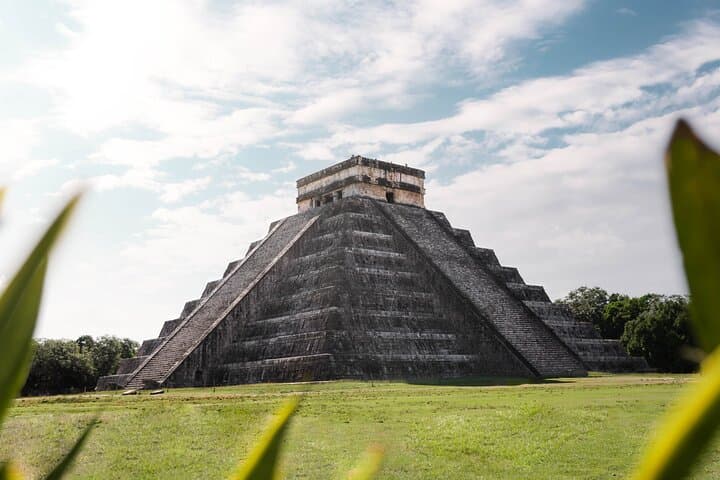
You step off the air-conditioned van and feel a different sky: dry heat with a wide, sharp light that seems to make stone edges thinner and shadows deeper. The first view is the Pyramid of Kukulkán rising like a measured argument against the horizon, its stairs lined by centuries of stepped geometry. This is a day of contrasts — engineered Maya plazas, a plunge into clear cenote water, and a slow drive through colonial streets bright with paint and church bells.
Verified experiences and guided adventures in the surrounding area.
Operated by Amigo Tours · Chichén Itzá, Yucatán
You step off the air-conditioned van and feel a different sky: dry heat with a wide, sharp light that seems to make stone edges thinner and shadows deeper. The first view is the Pyramid of Kukulkán rising like a measured argument against the horizon, its stairs lined by centuries of stepped geometry. This is a day of contrasts — engineered Maya plazas, a plunge into clear cenote water, and a slow drive through colonial streets bright with paint and church bells.
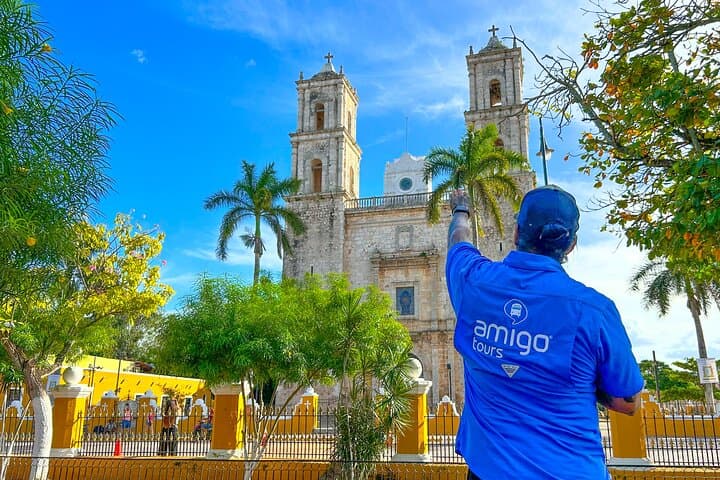
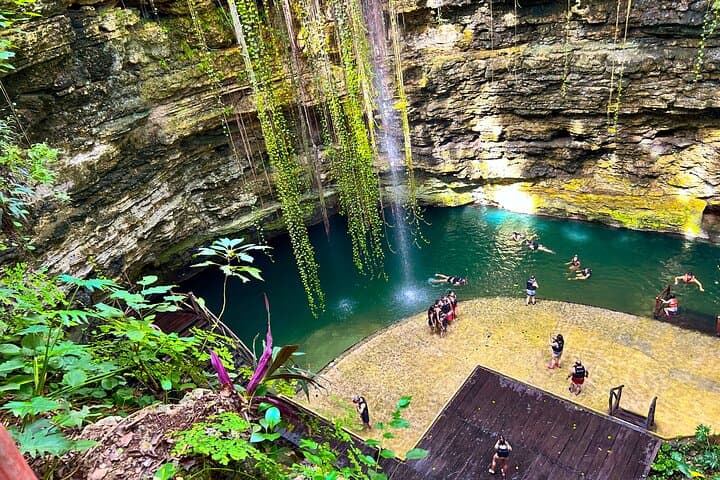
Chichén Itzá was a major Maya urban center between the 9th and 12th centuries; its pyramid encodes astronomical events, most famously the serpent shadow at equinox. Geologically, the cenote you visit is a collapsed limestone sinkhole — part of an underground karst system that feeds the Yucatán’s freshwater. Valladolid adds a cultural counterpoint: a compact grid of colonial buildings, convents, and market stalls that reveal contemporary Yucatecan life.
Practically, expect a long but manageable day: roughly 10–12 hours from pickup in Tulum, with about 2–2.5 hours drive each way and 2–3 hours exploring Chichén Itzá. Wear sturdy shoes for uneven stone, bring sun protection and a refillable water bottle, and pack swimwear for the cenote; visit rules prohibit climbing the main pyramid and some sites restrict flash photography. Note the Chichén Itzá tax processes card payments only, and your guide will handle logistics and local interpretation.
This trip balances history, geology, and a tangible sense of place — the kind of outing that leaves you with sun-warmed steps, cool water on your skin, and a deeper picture of the Yucatán’s layered past.
easy.
10–12 hours.
Suitable for most fitness levels; expect several hours of walking on uneven surfaces and short stair sections.
Yes — the tour lists entrance to Chichén Itzá and the cenote as included; confirm at booking for your selected option.
Expect about 2–2.5 hours each way (roughly 120 km/75 miles), depending on traffic and stops en route.
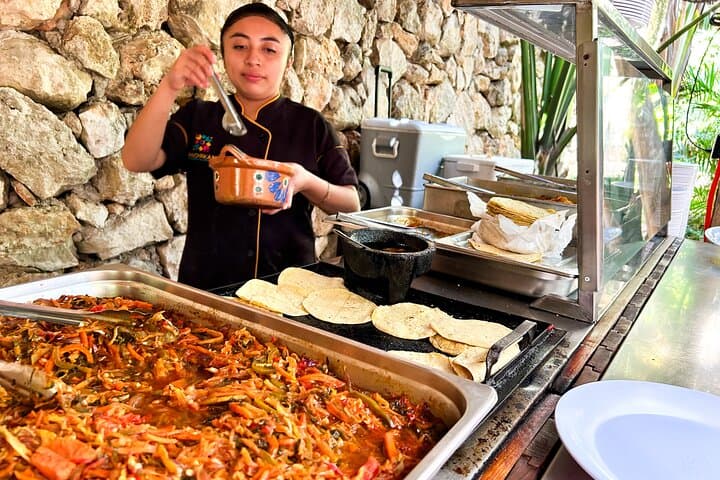
A buffet lunch featuring Yucatecan dishes is included in most options; vegetarian choices are typically available but confirm dietary needs in advance.
No — climbing the main pyramid is prohibited; you can view and photograph it from the designated platforms and paths.
Chichén Itzá was an influential Maya city whose architecture reflects astronomy, trade, and political power; the Kukulkán pyramid aligns to mark equinox shadows.
High visitor numbers and sunscreen runoff can impact fragile cenote ecosystems; use biodegradable sun products, follow no-litter rules, and respect site restrictions to support preservation.
Amigo Tours operates guided outdoor trips and adventures with an emphasis on safety, stewardship, and memorable experiences.
You step off the air-conditioned van and feel a different sky: dry heat with a wide, sharp light that seems to make stone edges thinner and shadows deeper. The first view is the Pyramid of Kukulkán rising like a measured argument against the horizon, its stairs lined by centuries of stepped geometry. This is a day of contrasts — engineered Maya plazas, a plunge into clear cenote water, and a slow drive through colonial streets bright with paint and church bells.
You step off the air-conditioned van and feel a different sky: dry heat with a wide, sharp light that seems to make stone edges thinner and shadows deeper. The first view is the Pyramid of Kukulkán rising like a measured argument against the horizon, its stairs lined by centuries of stepped geometry. This is a day of contrasts — engineered Maya plazas, a plunge into clear cenote water, and a slow drive through colonial streets bright with paint and church bells.
Chichén Itzá was a major Maya urban center between the 9th and 12th centuries; its pyramid encodes astronomical events, most famously the serpent shadow at equinox. Geologically, the cenote you visit is a collapsed limestone sinkhole — part of an underground karst system that feeds the Yucatán’s freshwater. Valladolid adds a cultural counterpoint: a compact grid of colonial buildings, convents, and market stalls that reveal contemporary Yucatecan life.
Practically, expect a long but manageable day: roughly 10–12 hours from pickup in Tulum, with about 2–2.5 hours drive each way and 2–3 hours exploring Chichén Itzá. Wear sturdy shoes for uneven stone, bring sun protection and a refillable water bottle, and pack swimwear for the cenote; visit rules prohibit climbing the main pyramid and some sites restrict flash photography. Note the Chichén Itzá tax processes card payments only, and your guide will handle logistics and local interpretation.
This trip balances history, geology, and a tangible sense of place — the kind of outing that leaves you with sun-warmed steps, cool water on your skin, and a deeper picture of the Yucatán’s layered past.