THE ADVENTURE COLLECTIVE® · Independent discovery and booking for outdoor travel

A full-day excursion that pairs the monumental ruins of Chichen Itza with swims in two dramatic cenotes and a cultural stop in Valladolid. Expect a long, rewarding day of history, limestone sinkholes and regional food with round-trip transport from Cancun.
A full-day excursion that pairs the monumental ruins of Chichen Itza with swims in two dramatic cenotes and a cultural stop in Valladolid. Expect a long, rewarding day of history, limestone sinkholes and regional food with round-trip transport from Cancun.
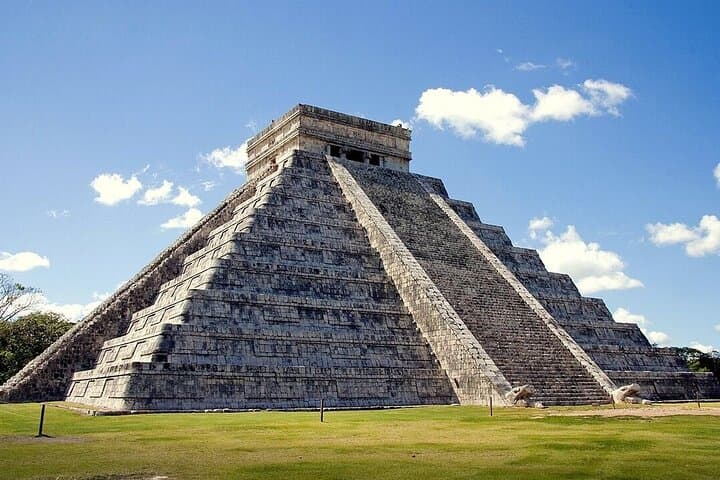
You step out of the minivan before sunrise and the limestone pyramid of El Castillo stands cool and sharp against a pale Yucatán sky. Early light slices across the main esplanade; the stone seems to hold the hush of centuries. The day moves with purpose: archaeology first, then cenotes, then the color and market bustle of Valladolid.
Verified experiences and guided adventures in the surrounding area.
Operated by Open Vacations · Pisté, Yucatán
You step out of the minivan before sunrise and the limestone pyramid of El Castillo stands cool and sharp against a pale Yucatán sky. Early light slices across the main esplanade; the stone seems to hold the hush of centuries. The day moves with purpose: archaeology first, then cenotes, then the color and market bustle of Valladolid.
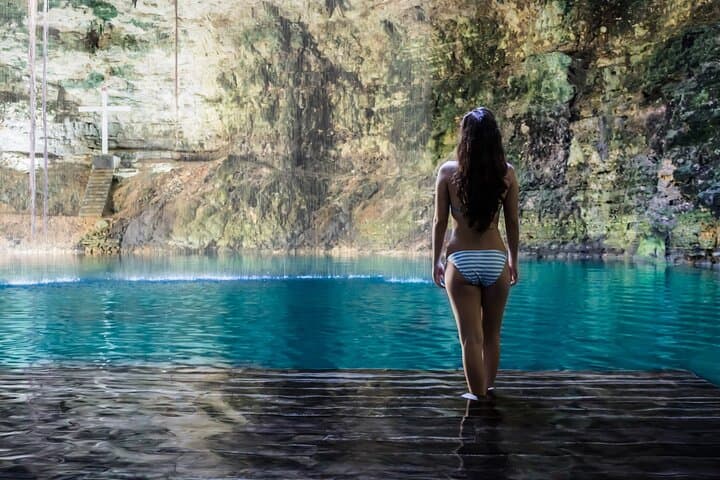
Chichen Itza was a major Maya center in the Postclassic era—an architectural and ceremonial hub where Kukulcán’s stepped profile still measures astronomical knowledge. Geologically, this landscape is porous limestone; cenotes like Hubiku and Ik Kil are sinkholes where groundwater gathers in shafts that beam sunlight and host freshwater ecosystems. Culturally, the route ties ancient ritual (the sacred cenote) to colonial-era Valladolid, where Spanish churches and Maya traditions coexist and local cuisine uses achiote, sour orange and cochinita pibil.
Practical guidance: this is a long, guided day—about 12 hours with round-trip transport from Cancun/Riviera Maya. Wear sturdy walking shoes for uneven stone and stairs, bring biodegradable sunscreen and a swim kit for the cenotes, and carry a refillable bottle; vendors and a buffet are included but bring small cash for preservation fees (not always covered). Expect uneven paths, some steps and changing light inside cenotes; swimming is refreshing and the water can be cool. Timing-wise, earlier arrival at the ruins avoids the largest crowds and hottest sun. If you have limited mobility, check accessibility for cenote stairs and paths ahead of booking.
easy.
12 hours.
Suitable for most fitness levels; expect several hours of walking, standing and stairs. Not recommended for those with serious mobility or heart issues.
The tour description indicates admission is included; confirm at booking and note local preservation taxes may be extra.
Yes — Hubiku and Ik Kil allow swimming; bring swimwear and a towel and follow staff rules for stairs and safety.
The tour runs about 12 hours and includes a regional buffet plus a boxed lunch; bring snacks or dietary notes as needed.
The ruins and cenote access include stairs and uneven surfaces; this tour lists limitations for serious back, heart or pregnancy-related conditions—check specific pickup and accessibility details before booking.
Chichen Itza was a cosmopolitan Maya center where architecture recorded astronomy and ritual; cenotes were vital freshwater sources and sacred to Maya religious life.
Cenotes and the ruins are ecologically and culturally sensitive—use biodegradable products, follow ranger rules, and be prepared to pay preservation fees that fund site maintenance.
Open Vacations operates guided outdoor trips and adventures with an emphasis on safety, stewardship, and memorable experiences.


You step out of the minivan before sunrise and the limestone pyramid of El Castillo stands cool and sharp against a pale Yucatán sky. Early light slices across the main esplanade; the stone seems to hold the hush of centuries. The day moves with purpose: archaeology first, then cenotes, then the color and market bustle of Valladolid.
You step out of the minivan before sunrise and the limestone pyramid of El Castillo stands cool and sharp against a pale Yucatán sky. Early light slices across the main esplanade; the stone seems to hold the hush of centuries. The day moves with purpose: archaeology first, then cenotes, then the color and market bustle of Valladolid.
Chichen Itza was a major Maya center in the Postclassic era—an architectural and ceremonial hub where Kukulcán’s stepped profile still measures astronomical knowledge. Geologically, this landscape is porous limestone; cenotes like Hubiku and Ik Kil are sinkholes where groundwater gathers in shafts that beam sunlight and host freshwater ecosystems. Culturally, the route ties ancient ritual (the sacred cenote) to colonial-era Valladolid, where Spanish churches and Maya traditions coexist and local cuisine uses achiote, sour orange and cochinita pibil.
Practical guidance: this is a long, guided day—about 12 hours with round-trip transport from Cancun/Riviera Maya. Wear sturdy walking shoes for uneven stone and stairs, bring biodegradable sunscreen and a swim kit for the cenotes, and carry a refillable bottle; vendors and a buffet are included but bring small cash for preservation fees (not always covered). Expect uneven paths, some steps and changing light inside cenotes; swimming is refreshing and the water can be cool. Timing-wise, earlier arrival at the ruins avoids the largest crowds and hottest sun. If you have limited mobility, check accessibility for cenote stairs and paths ahead of booking.