THE ADVENTURE COLLECTIVE® · Independent discovery and booking for outdoor travel

A full‑day loop through Chichén Itzá’s monumental ruins, two freshwater cenotes for swimming, and a colonial lunch in Valladolid. This tour pairs archaeology and cool, clear water—ideal for travelers who want history and a swim in one long day.
A full‑day loop through Chichén Itzá’s monumental ruins, two freshwater cenotes for swimming, and a colonial lunch in Valladolid. This tour pairs archaeology and cool, clear water—ideal for travelers who want history and a swim in one long day.
You step out of the air‑conditioned van and the plaza opens: a landscape of sun-baked limestone, the massive steps of El Castillo throwing crisp shadows across packed earth. The day stretches long—archaeology, jungle pools and a colonial town folded into one itinerary—so pace and shade matter.
Verified experiences and guided adventures in the surrounding area.
Operated by Encuentro T · Chichén Itzá, Yucatán
You step out of the air‑conditioned van and the plaza opens: a landscape of sun-baked limestone, the massive steps of El Castillo throwing crisp shadows across packed earth. The day stretches long—archaeology, jungle pools and a colonial town folded into one itinerary—so pace and shade matter.
Chichén Itzá is one of the most studied Maya sites in the Yucatán; its Temple of Kukulcán aligns with equinox light patterns and the Great Ball Court frames ritual sport and politics in stone. Geologically, the region sits atop a porous limestone plateau riddled with cenotes—collapsed sinkholes that expose groundwater and feed an underground river system shaped over millennia.
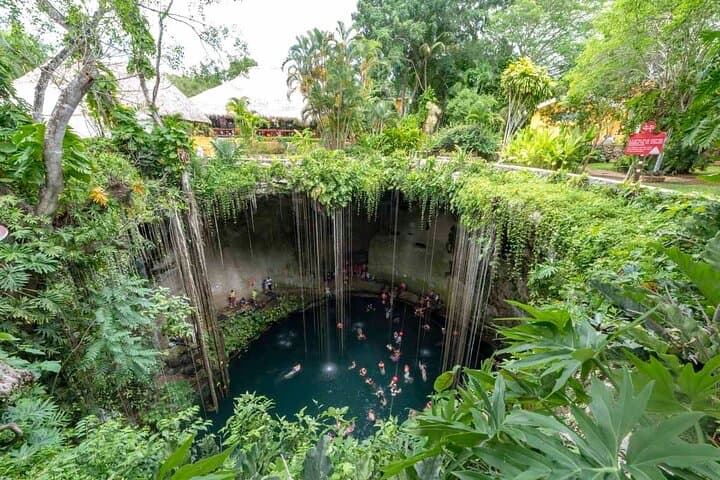
After the ruins, the tour moves to two cenotes where clear, cool water waits beneath hanging vines and sheer cliffs. These sinkholes were sacred to the Maya and remain fragile aquatic habitats; the water feels like a pocket of the earth, urging you to slow your breath and float.
Valladolid, the likely overnight base, adds a colonial counterpoint: cobbled streets, pastel facades and regional Yucatecan cuisine at Hacienda San Lorenzo offer a restful lunch stop.
Practical guidance: bring biodegradable reef‑safe sunscreen and a change of clothes; many cenotes restrict non‑biodegradable lotions. Carry a refillable water bottle, wear sturdy sandals or walking shoes for uneven terraces and damp steps, and expect a long day—roughly 13–15 hours including transfers. If you want clearer photos, arrive at the pyramids early in the morning light and save the cenote swims for mid‑day when the sun slips into the sinkholes.
easy.
13–15 hours.
Suitable for most fitness levels but expect long periods on your feet and some stairs; basic mobility required for cenote access.
Cenote admissions noted in the itinerary are included; confirm Chichén Itzá entrance on your booking as policies vary by operator.
Yes—both cenotes on this route allow swimming; follow guide instructions, use biodegradable sunscreen, and avoid diving from cliffs unless explicitly permitted.
Pickup time depends on your location; the total tour runs about 13–15 hours, so expect an early departure and late return.
Many larger cenotes have basic changing areas and small lockers for rent, but availability varies—bring a dry bag for valuables if needed.
Chichén Itzá was a major Maya urban center from the Classic to Postclassic periods; its pyramids and ball court reflect advanced astronomy and ritual life.
Cenotes are sensitive freshwater systems—use biodegradable products, avoid soaps, and follow local rules to limit pollution and erosion.
Encuentro T operates guided outdoor trips and adventures with an emphasis on safety, stewardship, and memorable experiences.
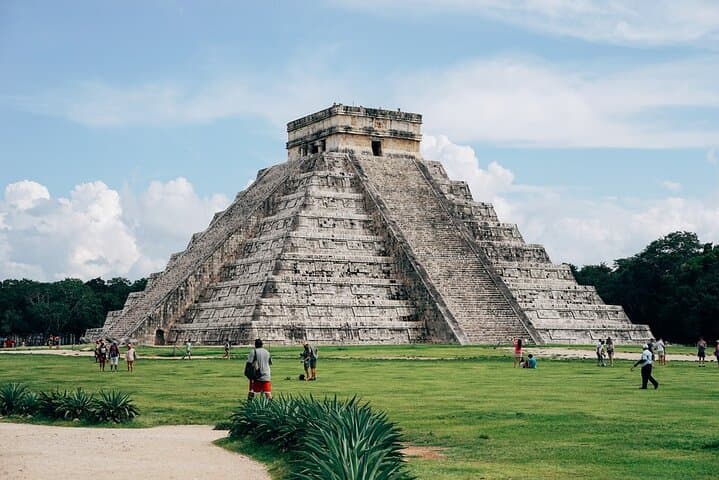
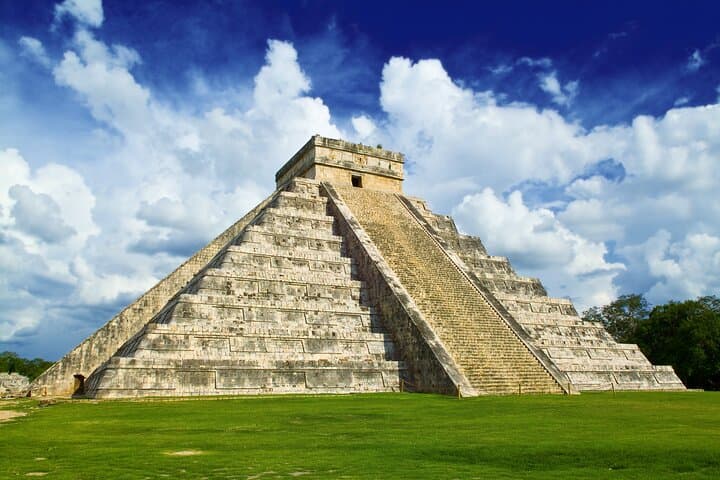
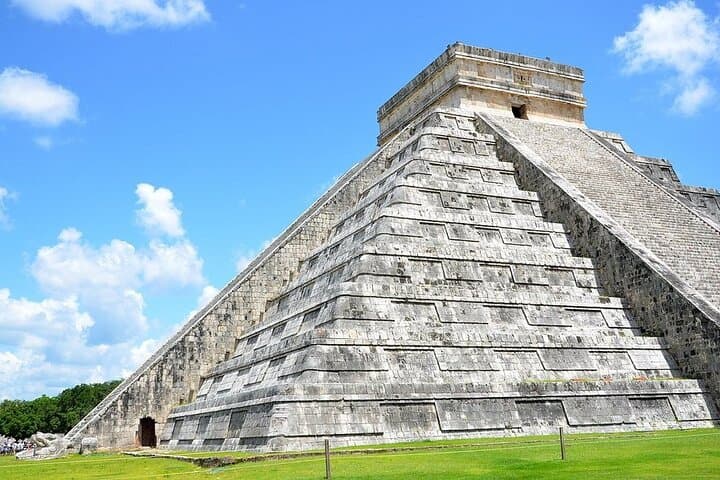
You step out of the air‑conditioned van and the plaza opens: a landscape of sun-baked limestone, the massive steps of El Castillo throwing crisp shadows across packed earth. The day stretches long—archaeology, jungle pools and a colonial town folded into one itinerary—so pace and shade matter.
You step out of the air‑conditioned van and the plaza opens: a landscape of sun-baked limestone, the massive steps of El Castillo throwing crisp shadows across packed earth. The day stretches long—archaeology, jungle pools and a colonial town folded into one itinerary—so pace and shade matter.
Chichén Itzá is one of the most studied Maya sites in the Yucatán; its Temple of Kukulcán aligns with equinox light patterns and the Great Ball Court frames ritual sport and politics in stone. Geologically, the region sits atop a porous limestone plateau riddled with cenotes—collapsed sinkholes that expose groundwater and feed an underground river system shaped over millennia.
After the ruins, the tour moves to two cenotes where clear, cool water waits beneath hanging vines and sheer cliffs. These sinkholes were sacred to the Maya and remain fragile aquatic habitats; the water feels like a pocket of the earth, urging you to slow your breath and float.
Valladolid, the likely overnight base, adds a colonial counterpoint: cobbled streets, pastel facades and regional Yucatecan cuisine at Hacienda San Lorenzo offer a restful lunch stop.
Practical guidance: bring biodegradable reef‑safe sunscreen and a change of clothes; many cenotes restrict non‑biodegradable lotions. Carry a refillable water bottle, wear sturdy sandals or walking shoes for uneven terraces and damp steps, and expect a long day—roughly 13–15 hours including transfers. If you want clearer photos, arrive at the pyramids early in the morning light and save the cenote swims for mid‑day when the sun slips into the sinkholes.