THE ADVENTURE COLLECTIVE® · Independent discovery and booking for outdoor travel

Visit one of the New Seven Wonders then cool off in two nearby cenotes on a small-group, full-day tour from Valladolid. Combine guided exploration of Chichen Itza with swims in crystalline sinkholes and regional food stops.
Visit one of the New Seven Wonders then cool off in two nearby cenotes on a small-group, full-day tour from Valladolid. Combine guided exploration of Chichen Itza with swims in crystalline sinkholes and regional food stops.
A morning light rolls over the low karst plains as your van leaves Valladolid, air-conditioning humming and the guide sketching the day ahead. By the time the stone faces of Chichen Itza rise from the flat horizon, the plaza breathes warm and dry; the pyramid of Kukulkan cuts a precise shadow across its steps and the ball court waits like a paused contest. After the archaeology, the jungle opens to sinkholes — cenotes — where groundwater pools in caverns and shafts, their walls dripping slow history as you step down to swim.
Verified experiences and guided adventures in the surrounding area.
Operated by Batun Mx · Pisté, Yucatán
A morning light rolls over the low karst plains as your van leaves Valladolid, air-conditioning humming and the guide sketching the day ahead. By the time the stone faces of Chichen Itza rise from the flat horizon, the plaza breathes warm and dry; the pyramid of Kukulkan cuts a precise shadow across its steps and the ball court waits like a paused contest. After the archaeology, the jungle opens to sinkholes — cenotes — where groundwater pools in caverns and shafts, their walls dripping slow history as you step down to swim.
Chichen Itza is a late-classic to post-classic Maya city built and repurposed across centuries; its architecture reflects astronomical knowledge, ritual sport and centralized governance. Geologically the Yucatán is porous limestone: rainwater dissolved the bedrock to create the cenotes that were sacred portals in Maya cosmology. Local villages around Pisté and Valladolid maintain traditional cuisine and small-scale tourism tied to these sites.
Practical guidance: this is a full-day, roughly 8-hour outing combining 2–3 hours of walking at Chichen Itza with two short cenote stops for swimming and photos. Bring cash for the archaeological entrance fee (typically paid on-site), a refillable water bottle, sun protection and swimwear under light clothes. Expect uneven paths, stair climbs at the site, and humid conditions; footwear with grip helps on limestone steps. Small-group size keeps transitions quick but arrive with a charged phone, waterproof bag for valuables, and modest respect for sacred spaces. Early departures avoid the hottest midday heat and busiest crowds, making the visit more reflective and comfortable.
moderate.
8 hours.
Suitable for travelers in average physical condition who can walk several hours and navigate stairs; not strenuous but requires mobility for steps and ladder descents.
Entrance fee to the archaeological zone is typically not included and is payable on-site; confirm at booking because operator options can vary.
Yes—the itinerary includes two cenote stops with time for a swim and photos; bring swimwear and a towel and be prepared for simple facilities.
Expect about 2–3 hours of walking around the site on mostly flat but uneven ground, plus some stair climbing at select structures.
Some options include a regional food stop; always bring snacks if you have dietary needs and carry small cash for food purchases.
Chichen Itza grew as a major regional center blending Puuc and central Mexican influences; its layout encodes astronomical alignments used for ritual calendaring.
Cenotes are fragile freshwater systems—avoid sunscreen and insect repellent before entering and use biodegradable products to protect water quality.
Batun Mx operates guided outdoor trips and adventures with an emphasis on safety, stewardship, and memorable experiences.
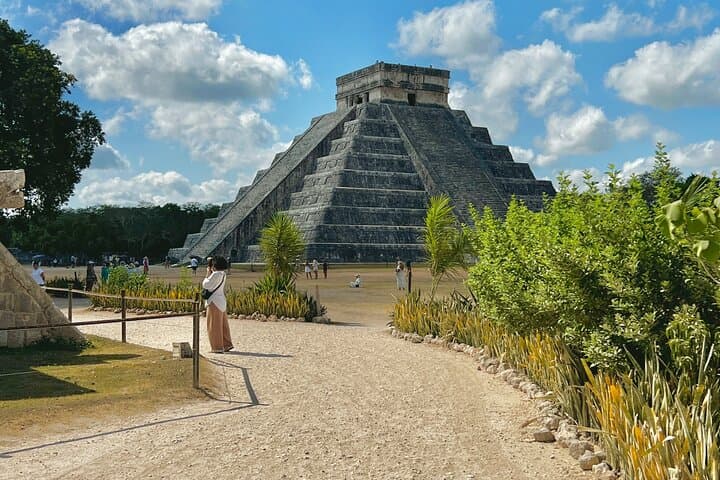
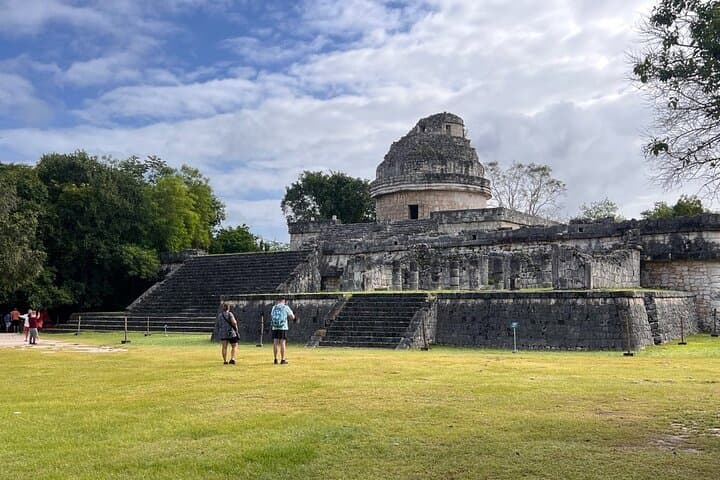
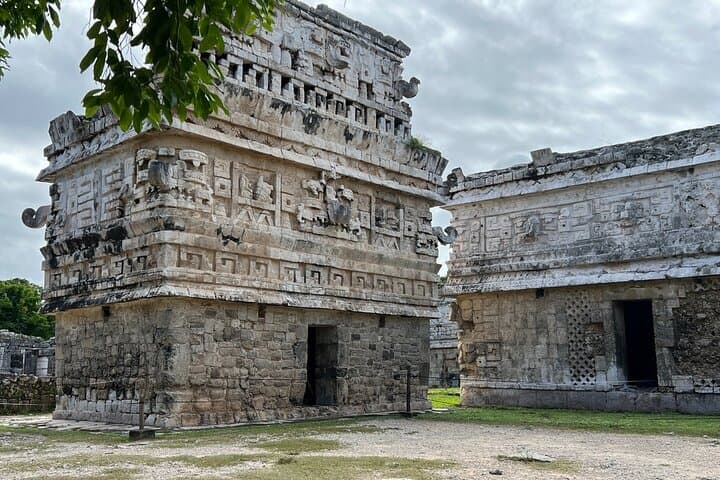
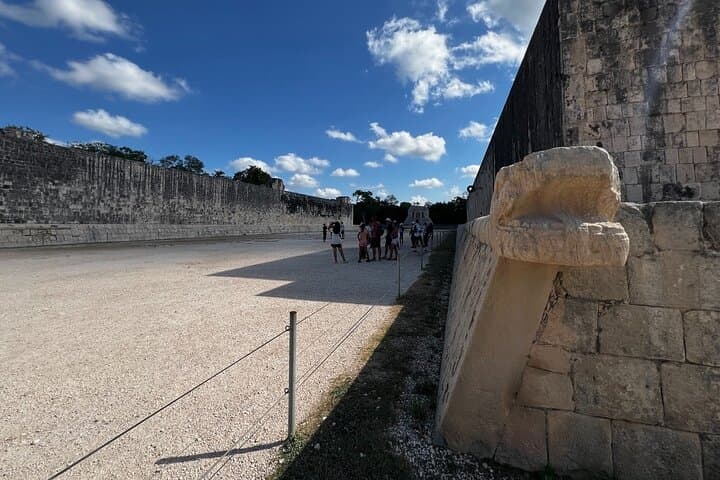
A morning light rolls over the low karst plains as your van leaves Valladolid, air-conditioning humming and the guide sketching the day ahead. By the time the stone faces of Chichen Itza rise from the flat horizon, the plaza breathes warm and dry; the pyramid of Kukulkan cuts a precise shadow across its steps and the ball court waits like a paused contest. After the archaeology, the jungle opens to sinkholes — cenotes — where groundwater pools in caverns and shafts, their walls dripping slow history as you step down to swim.
A morning light rolls over the low karst plains as your van leaves Valladolid, air-conditioning humming and the guide sketching the day ahead. By the time the stone faces of Chichen Itza rise from the flat horizon, the plaza breathes warm and dry; the pyramid of Kukulkan cuts a precise shadow across its steps and the ball court waits like a paused contest. After the archaeology, the jungle opens to sinkholes — cenotes — where groundwater pools in caverns and shafts, their walls dripping slow history as you step down to swim.
Chichen Itza is a late-classic to post-classic Maya city built and repurposed across centuries; its architecture reflects astronomical knowledge, ritual sport and centralized governance. Geologically the Yucatán is porous limestone: rainwater dissolved the bedrock to create the cenotes that were sacred portals in Maya cosmology. Local villages around Pisté and Valladolid maintain traditional cuisine and small-scale tourism tied to these sites.
Practical guidance: this is a full-day, roughly 8-hour outing combining 2–3 hours of walking at Chichen Itza with two short cenote stops for swimming and photos. Bring cash for the archaeological entrance fee (typically paid on-site), a refillable water bottle, sun protection and swimwear under light clothes. Expect uneven paths, stair climbs at the site, and humid conditions; footwear with grip helps on limestone steps. Small-group size keeps transitions quick but arrive with a charged phone, waterproof bag for valuables, and modest respect for sacred spaces. Early departures avoid the hottest midday heat and busiest crowds, making the visit more reflective and comfortable.