THE ADVENTURE COLLECTIVE® · Independent discovery and booking for outdoor travel

Spend a long day exploring Chichén Itzá’s monuments, cooling off in Cenote Ik Kil and Cenote Hubiku, then stroll the colonial streets of Valladolid. This guided trip mixes archaeology, karst geology and swimming with local flavors.
Spend a long day exploring Chichén Itzá’s monuments, cooling off in Cenote Ik Kil and Cenote Hubiku, then stroll the colonial streets of Valladolid. This guided trip mixes archaeology, karst geology and swimming with local flavors.
A morning bus pulls away from the hotel strip and the light flattens into the low, bright plain of the Yucatán; by mid-morning the pyramid of Kukulcán rises from the horizon like a precise human mountain. Visitors move from shaded colonnades to open plazas, fingers tracing carved stones while an expert guide outlines rituals, astronomy and the stair-stepped geometry that makes the site both temple and calendar.
Verified experiences and guided adventures in the surrounding area.
Operated by Mundo Caribeño · Chichén Itzá, Yucatán
A morning bus pulls away from the hotel strip and the light flattens into the low, bright plain of the Yucatán; by mid-morning the pyramid of Kukulcán rises from the horizon like a precise human mountain. Visitors move from shaded colonnades to open plazas, fingers tracing carved stones while an expert guide outlines rituals, astronomy and the stair-stepped geometry that makes the site both temple and calendar.
Geology here matters: the peninsula is limestone underlain by a vast karst network that collapses to form cenotes—vertical windows into clear groundwater. Cenote Ik Kil is a bowl of jungle and vines, its water daring you to dive; Hubiku sits within an enclosed cavern where light sifts through a single opening and stalactites watch silently.
Culturally, the day pairs pre-Hispanic ritual landscapes with colonial-era Valladolid, where Spanish baroque and Mayan life intersect in market stalls and the church of San Servacio. The tour packs history, geology and swimming into one long day, roughly 11–12 hours from pickup.
Practical edge: expect a lot of walking on uneven stone and stairs, plus two swims—bring a biodegradable sunscreen, quick-dry towel and cash for crafts and lockers. Timing matters: arriving at Chichén Itzá before noon is cooler and quieter. Hydrate on the bus, wear closed-toe shoes for the archaeological zone and water shoes for the cenotes. If mobility is limited, plan ahead—there are steps at major ruins and uneven paths in cenotes. This itinerary balances interpretation with hands-on time in two of the Yucatán’s most atmospheric sinkholes, finishing with a pulse of authentic town life in Valladolid.
moderate.
11–12 hours.
Suitable for most reasonably fit travelers; requires long periods of walking and some stair climbing. Be prepared for a full day and swimming.
Typical duration is 11–12 hours with early morning pickup; exact pickup time depends on your meeting point and operator schedule.
Both cenotes have shallow edges and life jackets are usually available, but basic swimming ability is recommended and staff will advise on safety.
Yes—this tour includes a buffet lunch at Cenote Ik Kil with regional dishes included in the itinerary.
Yes—the operator may alter the order of visits or times due to traffic or local conditions, so allow flexibility in plans.
Chichén Itzá was a major Maya political and ceremonial center from the Late Classic through the Terminal Classic; its alignment and carvings reflect advanced astronomy and ritual practice.
Cenote water is vulnerable to pollution—many sites ask visitors to use biodegradable products and limit detergents; support local guides and small vendors to help sustainable tourism.
Mundo Caribeño operates guided outdoor trips and adventures with an emphasis on safety, stewardship, and memorable experiences.
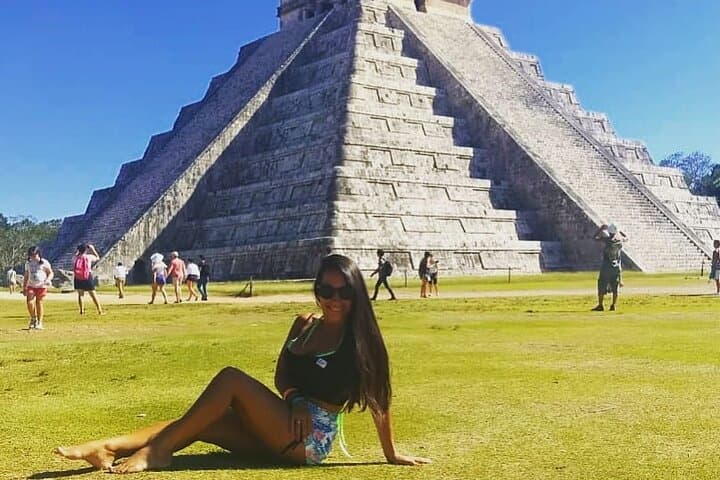
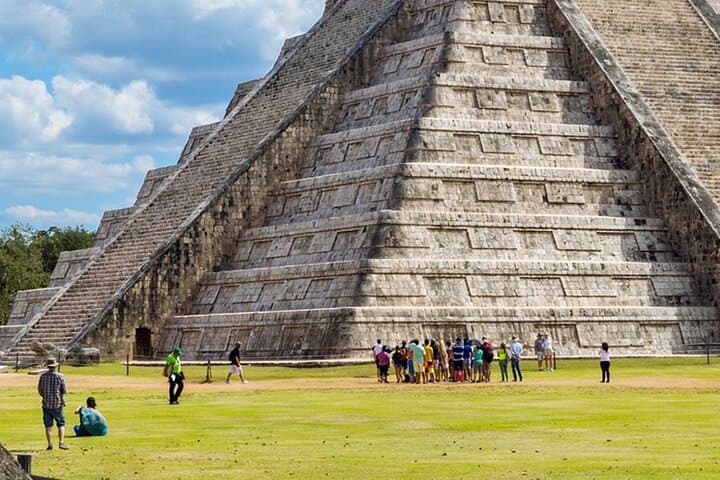
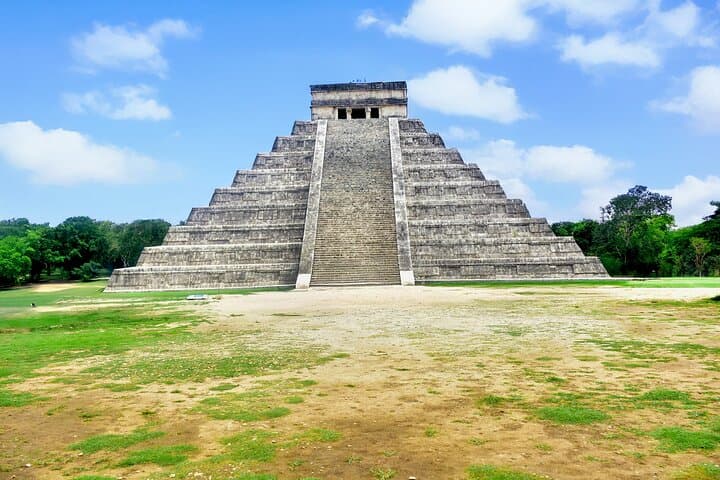
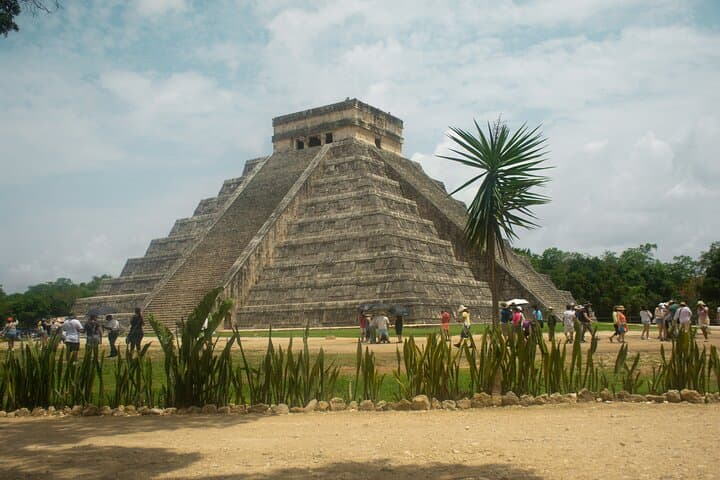
A morning bus pulls away from the hotel strip and the light flattens into the low, bright plain of the Yucatán; by mid-morning the pyramid of Kukulcán rises from the horizon like a precise human mountain. Visitors move from shaded colonnades to open plazas, fingers tracing carved stones while an expert guide outlines rituals, astronomy and the stair-stepped geometry that makes the site both temple and calendar.
A morning bus pulls away from the hotel strip and the light flattens into the low, bright plain of the Yucatán; by mid-morning the pyramid of Kukulcán rises from the horizon like a precise human mountain. Visitors move from shaded colonnades to open plazas, fingers tracing carved stones while an expert guide outlines rituals, astronomy and the stair-stepped geometry that makes the site both temple and calendar.
Geology here matters: the peninsula is limestone underlain by a vast karst network that collapses to form cenotes—vertical windows into clear groundwater. Cenote Ik Kil is a bowl of jungle and vines, its water daring you to dive; Hubiku sits within an enclosed cavern where light sifts through a single opening and stalactites watch silently.
Culturally, the day pairs pre-Hispanic ritual landscapes with colonial-era Valladolid, where Spanish baroque and Mayan life intersect in market stalls and the church of San Servacio. The tour packs history, geology and swimming into one long day, roughly 11–12 hours from pickup.
Practical edge: expect a lot of walking on uneven stone and stairs, plus two swims—bring a biodegradable sunscreen, quick-dry towel and cash for crafts and lockers. Timing matters: arriving at Chichén Itzá before noon is cooler and quieter. Hydrate on the bus, wear closed-toe shoes for the archaeological zone and water shoes for the cenotes. If mobility is limited, plan ahead—there are steps at major ruins and uneven paths in cenotes. This itinerary balances interpretation with hands-on time in two of the Yucatán’s most atmospheric sinkholes, finishing with a pulse of authentic town life in Valladolid.