THE ADVENTURE COLLECTIVE® · Independent discovery and booking for outdoor travel

See the monumental Temple of Kukulcán, swim in the crystalline Saamal Cenote, and taste Valladolid’s colonial charm on a single full-day tour. This trip mixes Maya history, limestone hydrology and local food into an accessible outdoors experience.
See the monumental Temple of Kukulcán, swim in the crystalline Saamal Cenote, and taste Valladolid’s colonial charm on a single full-day tour. This trip mixes Maya history, limestone hydrology and local food into an accessible outdoors experience.
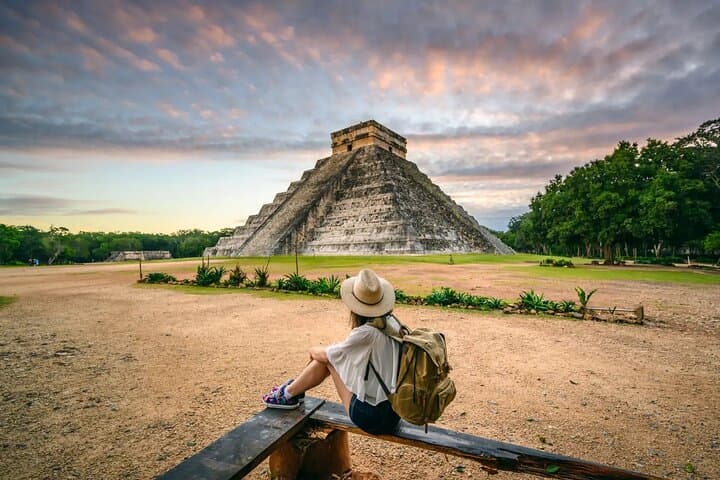
A morning in the Yucatán begins with the road unfolding beneath an air-conditioned van and the jungle seeming to breathe around you. Arriving at Chichén Itzá, the Temple of Kukulcán dominates the plain—stone geometry that still choreographs shadow and light during the equinoxes. The guide draws lines between glyphs, ballcourt walls and the astronomical knowledge carved into limestone, turning ruins into a readable landscape.
Verified experiences and guided adventures in the surrounding area.
Operated by All around Cancun · Piste, Yucatán
A morning in the Yucatán begins with the road unfolding beneath an air-conditioned van and the jungle seeming to breathe around you. Arriving at Chichén Itzá, the Temple of Kukulcán dominates the plain—stone geometry that still choreographs shadow and light during the equinoxes. The guide draws lines between glyphs, ballcourt walls and the astronomical knowledge carved into limestone, turning ruins into a readable landscape.
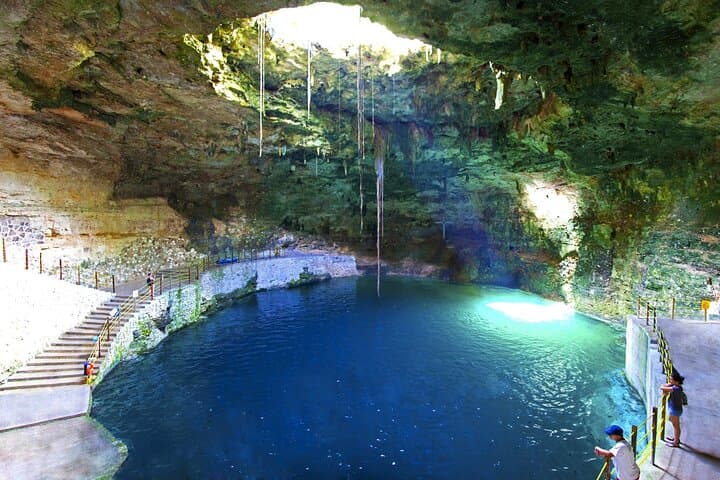
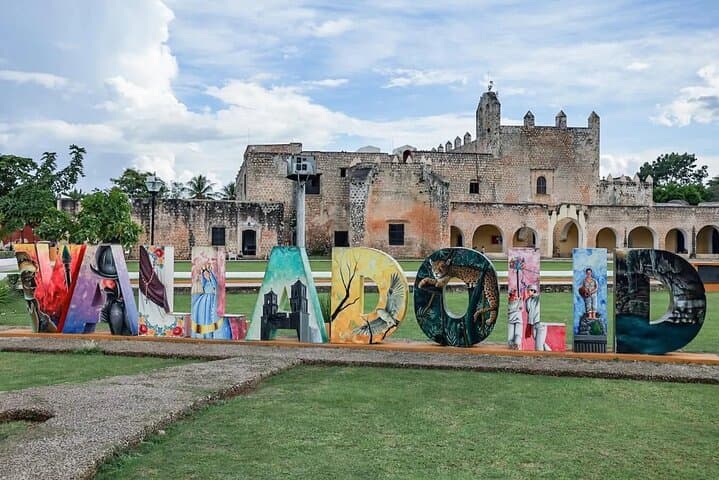
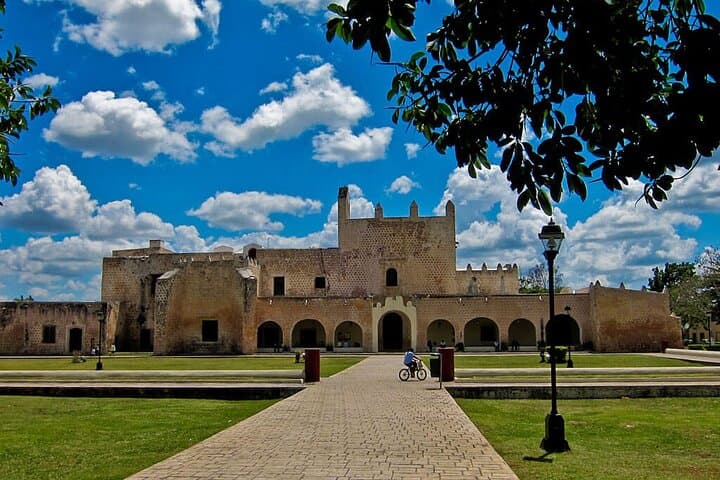
Geology here is all porous rock and underground rivers; the cenotes are collapsed cave systems where groundwater has long collected, cutting blue pools into the limestone. At Cenote Saamal the water dares you in—an open-air sinkhole fed by those subterranean flows, ringed by sheer rock and vegetation that hums with birdsong. Valladolid offers a contrasting human rhythm: a 16th-century colonial plan with a lively main square, hand-made tortillas and a slower pace that shows how Maya traditions and Spanish colonial architecture coexist.
Practically, this is a full-day outing—expect long stretches on the bus, guided interpretation at the ruins, a supervised swim at the cenote and free time in town. Bring reef-safe sunscreen, a hat, and a refillable bottle; the Yucatán sun is insistent and cenote water is cool and clear. Comfortable walking shoes help on uneven archaeological stones. Time your visit early to mid-morning at Chichén Itzá to avoid the hottest, busiest hours. The trip blends natural history, archaeology and local flavors into a single, manageable day—good for travelers who want context as well as a swim in a genuinely unusual ecosystem.
easy.
12 hours.
Suitable for most fitness levels; involves walking on uneven surfaces and a short swim at the cenote
Policies vary by operator; many full-day tours include cenote admission and a bilingual guide—confirm on your booking page or voucher.
From Cancún it’s about 2–2.5 hours one way depending on traffic and pickup points; expect a full-day schedule totaling roughly 10–12 hours.
Yes—Saamal typically provides life jackets and supervised areas; non-swimmers can float and enjoy the edges under guidance.
Yes; the itinerary is rated easy and suitable for most ages, but long bus time and walking on uneven ground may be tiring—check mobility needs with the operator.
Chichén Itzá was a major regional center of the Late Classic and Terminal Classic Maya world; Valladolid grew under Spanish colonial planning in the 16th century and retains strong Maya cultural ties.
Cenotes are delicate karst features fed by underground aquifers—use biodegradable products, avoid littering, and follow local rules to protect water quality and archaeological sites.
All around Cancun operates guided outdoor trips and adventures with an emphasis on safety, stewardship, and memorable experiences.
A morning in the Yucatán begins with the road unfolding beneath an air-conditioned van and the jungle seeming to breathe around you. Arriving at Chichén Itzá, the Temple of Kukulcán dominates the plain—stone geometry that still choreographs shadow and light during the equinoxes. The guide draws lines between glyphs, ballcourt walls and the astronomical knowledge carved into limestone, turning ruins into a readable landscape.
A morning in the Yucatán begins with the road unfolding beneath an air-conditioned van and the jungle seeming to breathe around you. Arriving at Chichén Itzá, the Temple of Kukulcán dominates the plain—stone geometry that still choreographs shadow and light during the equinoxes. The guide draws lines between glyphs, ballcourt walls and the astronomical knowledge carved into limestone, turning ruins into a readable landscape.
Geology here is all porous rock and underground rivers; the cenotes are collapsed cave systems where groundwater has long collected, cutting blue pools into the limestone. At Cenote Saamal the water dares you in—an open-air sinkhole fed by those subterranean flows, ringed by sheer rock and vegetation that hums with birdsong. Valladolid offers a contrasting human rhythm: a 16th-century colonial plan with a lively main square, hand-made tortillas and a slower pace that shows how Maya traditions and Spanish colonial architecture coexist.
Practically, this is a full-day outing—expect long stretches on the bus, guided interpretation at the ruins, a supervised swim at the cenote and free time in town. Bring reef-safe sunscreen, a hat, and a refillable bottle; the Yucatán sun is insistent and cenote water is cool and clear. Comfortable walking shoes help on uneven archaeological stones. Time your visit early to mid-morning at Chichén Itzá to avoid the hottest, busiest hours. The trip blends natural history, archaeology and local flavors into a single, manageable day—good for travelers who want context as well as a swim in a genuinely unusual ecosystem.