THE ADVENTURE COLLECTIVE® · Independent discovery and booking for outdoor travel

Spend a full day visiting Chichén Itzá with a licensed guide, cool off in a sacred cenote, and taste Yucatecan lunch in colonial Valladolid. This private, skip-the-line tour bundles archaeology, geology and local cuisine into a practical full-day itinerary.
Spend a full day visiting Chichén Itzá with a licensed guide, cool off in a sacred cenote, and taste Yucatecan lunch in colonial Valladolid. This private, skip-the-line tour bundles archaeology, geology and local cuisine into a practical full-day itinerary.
You step into the cool of an air-conditioned vehicle before sunrise and the flat, limestone plain of the Yucatán unrolls like a hard, sun-bright carpet. An hour later the silhouette of El Castillo cuts the horizon—its stepped faces catching light and shadow as a certified archaeological guide begins a measured, evidence-based narration that brings the ancient city back into motion.
Verified experiences and guided adventures in the surrounding area.
Operated by Living Dreams Mexico · Valladolid, Yucatán
You step into the cool of an air-conditioned vehicle before sunrise and the flat, limestone plain of the Yucatán unrolls like a hard, sun-bright carpet. An hour later the silhouette of El Castillo cuts the horizon—its stepped faces catching light and shadow as a certified archaeological guide begins a measured, evidence-based narration that brings the ancient city back into motion.
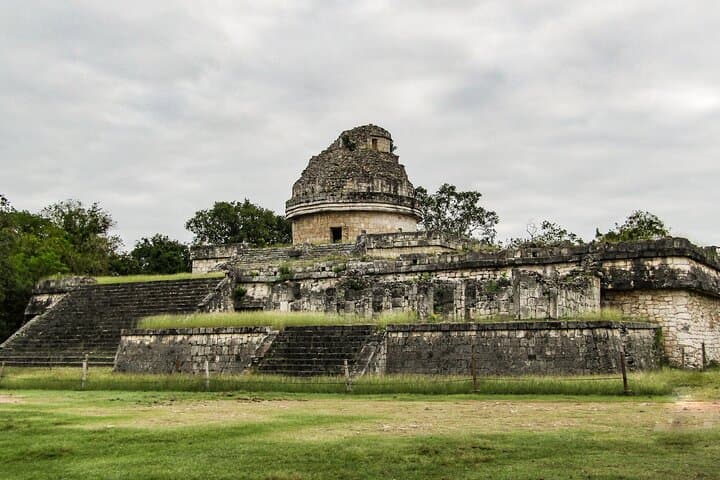
Chichén Itzá was a major Postclassic Maya center whose plazas, platforms and the 24-meter Kukulcán pyramid reflect astronomy, ritual and political power. The region’s geology is karst limestone: porous bedrock that dissolves to form the cenotes—vertical sinkholes that once supplied and sanctified water for Maya towns.
The afternoon shift takes the group to a sacred cenote where cool, clear water waits in a cavern—ladders and platforms make entry straightforward, but currents are non-existent and visibility can be variable. You’ll finish in Valladolid, a compact colonial town with colorful facades, a relaxed central plaza, and dishes like cochinita pibil served in local restaurants.
Practicalities: expect a 9–10 hour day with about 2 hours at Chichén Itzá and a one-hour swim at a cenote. Terrain is mostly flat but uneven stone and packed dirt demand stable shoes. Sunscreen, a hat, and refillable water are essential; swimwear and a quick-dry towel for the cenote. The tour includes round-trip transport from major Riviera Maya hotels, entrance fees, bottled water and lunch—carry small pesos for souvenirs and tips. Early departure and a licensed guide make this a dense, accessible day that balances cultural depth with practical comfort.
easy.
9–10 hours.
Light aerobic fitness; able to stand and walk for a few hours on uneven ground
Round-trip transfers vary by hotel location but typically 2–2.5 hours each way from Playa del Carmen and about 2–3 hours from Cancun, depending on traffic.
Most cenotes used for tours have ladders and shallow edges; non-swimmers should use a life jacket and stay within designated swim zones.
Yes—this private tour includes archaeological site entrance, cenote access, bottled water, snacks and a regional lunch as listed in the inclusions.
Climbing the main pyramid is not permitted for conservation and safety; visitors can walk the perimeter and view architectural details from the designated paths.
Chichén Itzá grew between the 7th and 10th centuries CE into a major regional center combining Maya and central Mexican influences; cenotes were both water sources and ritual sites.
Visitor limits, designated pathways and prohibition on climbing key structures help preserve fragile stonework; avoid sunscreen in cenotes to reduce chemical contamination.
Living Dreams Mexico operates guided outdoor trips and adventures with an emphasis on safety, stewardship, and memorable experiences.
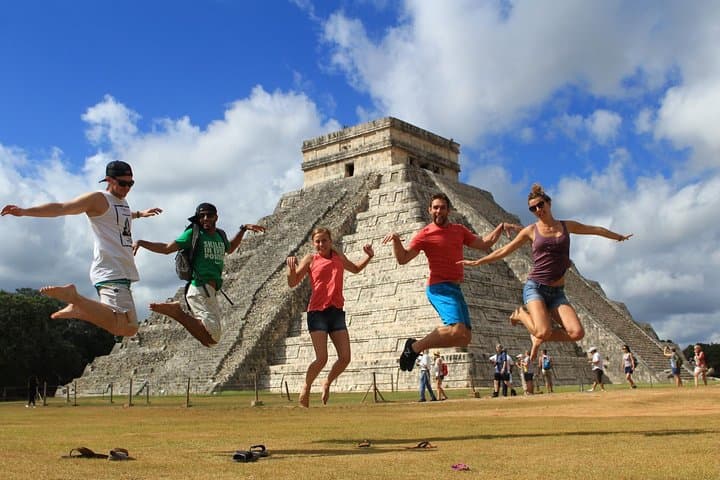
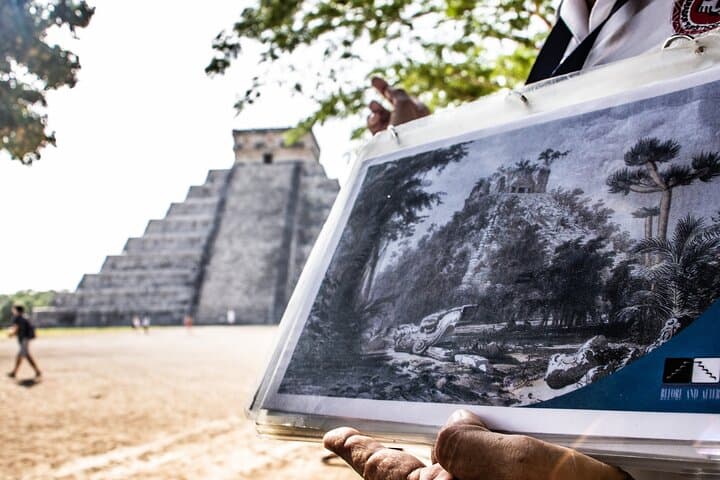
You step into the cool of an air-conditioned vehicle before sunrise and the flat, limestone plain of the Yucatán unrolls like a hard, sun-bright carpet. An hour later the silhouette of El Castillo cuts the horizon—its stepped faces catching light and shadow as a certified archaeological guide begins a measured, evidence-based narration that brings the ancient city back into motion.
You step into the cool of an air-conditioned vehicle before sunrise and the flat, limestone plain of the Yucatán unrolls like a hard, sun-bright carpet. An hour later the silhouette of El Castillo cuts the horizon—its stepped faces catching light and shadow as a certified archaeological guide begins a measured, evidence-based narration that brings the ancient city back into motion.
Chichén Itzá was a major Postclassic Maya center whose plazas, platforms and the 24-meter Kukulcán pyramid reflect astronomy, ritual and political power. The region’s geology is karst limestone: porous bedrock that dissolves to form the cenotes—vertical sinkholes that once supplied and sanctified water for Maya towns.
The afternoon shift takes the group to a sacred cenote where cool, clear water waits in a cavern—ladders and platforms make entry straightforward, but currents are non-existent and visibility can be variable. You’ll finish in Valladolid, a compact colonial town with colorful facades, a relaxed central plaza, and dishes like cochinita pibil served in local restaurants.
Practicalities: expect a 9–10 hour day with about 2 hours at Chichén Itzá and a one-hour swim at a cenote. Terrain is mostly flat but uneven stone and packed dirt demand stable shoes. Sunscreen, a hat, and refillable water are essential; swimwear and a quick-dry towel for the cenote. The tour includes round-trip transport from major Riviera Maya hotels, entrance fees, bottled water and lunch—carry small pesos for souvenirs and tips. Early departure and a licensed guide make this a dense, accessible day that balances cultural depth with practical comfort.