THE ADVENTURE COLLECTIVE® · Independent discovery and booking for outdoor travel

Step into the shadow of the Kukulkan Pyramid, then cool off in the underground waters of Cenote Xunáan on a guided full‑day tour that combines Maya archaeology, karst geology, and a taste of colonial Valladolid. Practical tips for timing, gear, and what to expect inside.
Step into the shadow of the Kukulkan Pyramid, then cool off in the underground waters of Cenote Xunáan on a guided full‑day tour that combines Maya archaeology, karst geology, and a taste of colonial Valladolid. Practical tips for timing, gear, and what to expect inside.
You arrive before the heat takes hold: a flat, sun-baked plaza opens into the shadow of the Kukulkan Pyramid, its carved steps cutting a precise silhouette against a wide Yucatán sky. Voices of the guide and the whisper of wind through ceiba trees shape the first hour—history felt as much as seen.
Verified experiences and guided adventures in the surrounding area.
Operated by Cancun Sightseeing · Piste, Yucatán
You arrive before the heat takes hold: a flat, sun-baked plaza opens into the shadow of the Kukulkan Pyramid, its carved steps cutting a precise silhouette against a wide Yucatán sky. Voices of the guide and the whisper of wind through ceiba trees shape the first hour—history felt as much as seen.
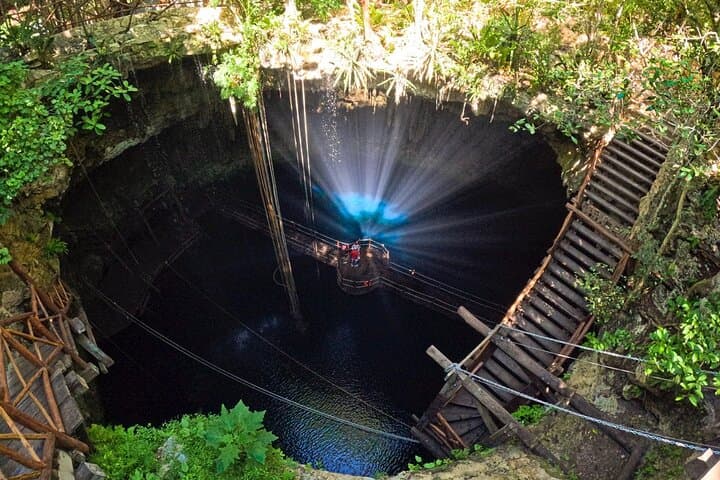
This full-day outing pairs two geological cousins of the karstic peninsula: an engineered Maya city and a freshwater cenote. Chichén Itzá was a political and ritual hub from roughly AD 600–1200; the Kukulkan Pyramid encodes astronomical knowledge in its stairs and shadow plays at equinox. Nearby Cenote Xunáan is a collapse sinkhole — a vertical window into the limestone aquifer that shaped the region — where cool groundwater collects in a natural pool ringed by jungle.
Valladolid adds a colonial counterpoint: a compact town square, the 16th‑century San Gervasio church, and local markets where achiote and handmade tortillas are part of daily life.
Practical guidance: expect a long day (about 12 hours door‑to‑door). The Chichén Itzá site involves 1–3 miles of mostly flat walking with uneven stone and packed earth; bring sun protection and a refillable bottle. Swim at Xunáan in clear, cool water—towels and a swimsuit are essential. The tour typically includes an air‑conditioned transfer, a bilingual guide, lunch with an open bar, and free time in Valladolid. Respect protected areas: climbing structures is prohibited and parks enforce archaeologically sensitive rules. Confirm pickup time 24 hours ahead, arrive early for photo windows, and carry small cash for souvenirs and local vendors.
easy.
12 hours.
Suitable for most travelers with basic mobility; expect up to 2–3 hours of walking at the archaeological site on uneven ground and short stair sections.
No—climbing monuments at Chichén Itzá is prohibited to protect the structures; you can walk around and photograph from the plaza.
Yes—many cenotes are family‑friendly but depth varies; supervise children and follow guide safety briefings.
Yes—the Premier tour typically includes an authentic Mexican buffet lunch and an open international bar during the meal.
Expect roughly 2–2.5 hours each way from Cancun and around 2–3 hours from Playa del Carmen depending on traffic and pickup routing.
Chichén Itzá rose as a major Maya center between AD 600–900; its architecture blends Puuc and central Mexican influences and encodes astronomical knowledge used for agricultural ritual timing.
The region balances tourism with preservation: stay on paths, avoid sunscreen in cenotes unless biodegradable, and support local vendors to keep management sustainable.
Cancun Sightseeing operates guided outdoor trips and adventures with an emphasis on safety, stewardship, and memorable experiences.
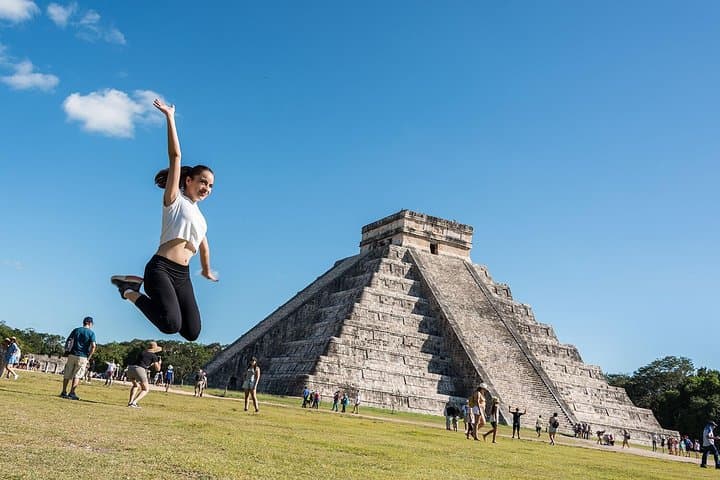
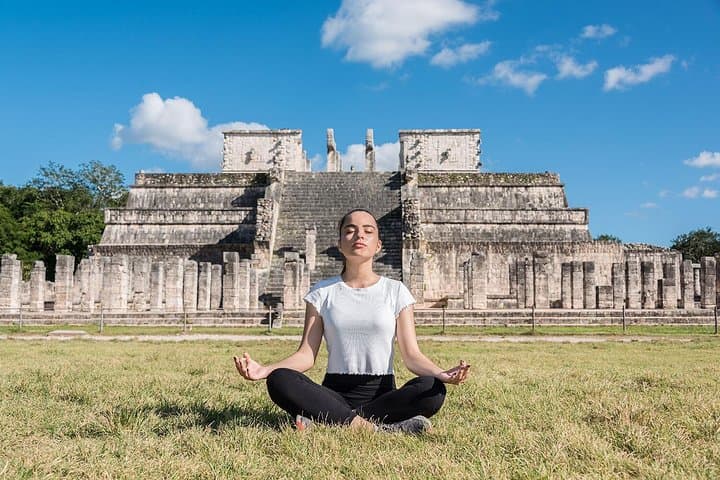
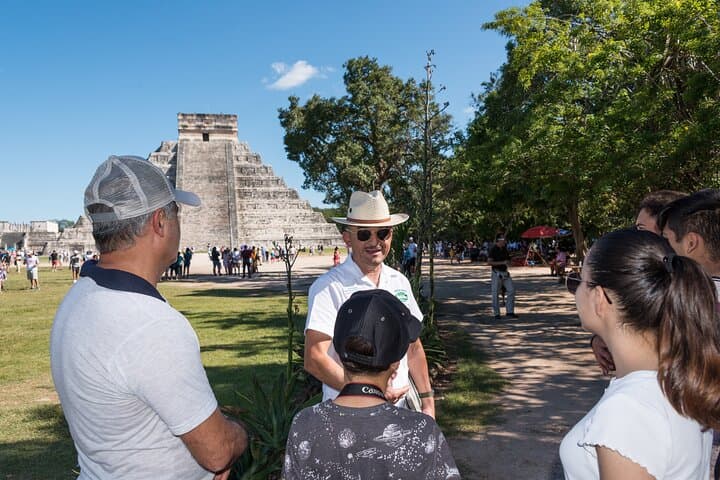
You arrive before the heat takes hold: a flat, sun-baked plaza opens into the shadow of the Kukulkan Pyramid, its carved steps cutting a precise silhouette against a wide Yucatán sky. Voices of the guide and the whisper of wind through ceiba trees shape the first hour—history felt as much as seen.
You arrive before the heat takes hold: a flat, sun-baked plaza opens into the shadow of the Kukulkan Pyramid, its carved steps cutting a precise silhouette against a wide Yucatán sky. Voices of the guide and the whisper of wind through ceiba trees shape the first hour—history felt as much as seen.
This full-day outing pairs two geological cousins of the karstic peninsula: an engineered Maya city and a freshwater cenote. Chichén Itzá was a political and ritual hub from roughly AD 600–1200; the Kukulkan Pyramid encodes astronomical knowledge in its stairs and shadow plays at equinox. Nearby Cenote Xunáan is a collapse sinkhole — a vertical window into the limestone aquifer that shaped the region — where cool groundwater collects in a natural pool ringed by jungle.
Valladolid adds a colonial counterpoint: a compact town square, the 16th‑century San Gervasio church, and local markets where achiote and handmade tortillas are part of daily life.
Practical guidance: expect a long day (about 12 hours door‑to‑door). The Chichén Itzá site involves 1–3 miles of mostly flat walking with uneven stone and packed earth; bring sun protection and a refillable bottle. Swim at Xunáan in clear, cool water—towels and a swimsuit are essential. The tour typically includes an air‑conditioned transfer, a bilingual guide, lunch with an open bar, and free time in Valladolid. Respect protected areas: climbing structures is prohibited and parks enforce archaeologically sensitive rules. Confirm pickup time 24 hours ahead, arrive early for photo windows, and carry small cash for souvenirs and local vendors.