THE ADVENTURE COLLECTIVE® · Independent discovery and booking for outdoor travel

Experience a full-day loop from cenote swim to colonial streets and end beneath the colors of the Chichén Itzá night show. This guided tour mixes swimming, local culture and illuminated archaeology in one long, sensory day.
Experience a full-day loop from cenote swim to colonial streets and end beneath the colors of the Chichén Itzá night show. This guided tour mixes swimming, local culture and illuminated archaeology in one long, sensory day.
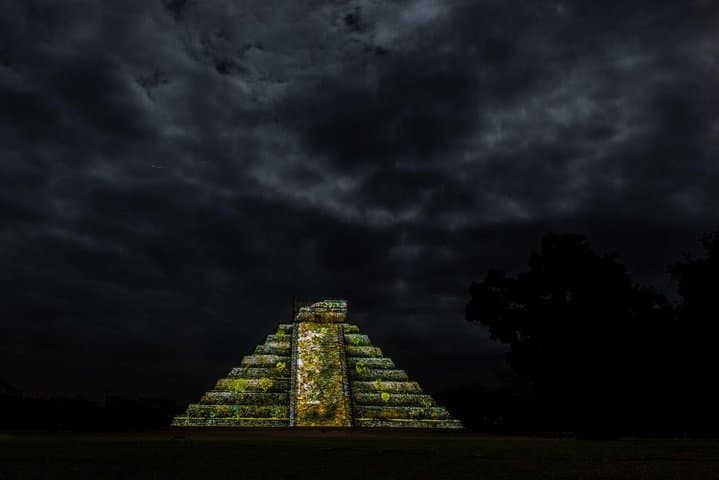
You step from an air-conditioned coach into humid Yucatán night: the cenote’s echoing pool ahead, moths sketching pathlit columns, and the distant silhouette of Kukulcán waiting for color.
Verified experiences and guided adventures in the surrounding area.
Operated by Mexico Top Vacations · Pisté, Yucatán
You step from an air-conditioned coach into humid Yucatán night: the cenote’s echoing pool ahead, moths sketching pathlit columns, and the distant silhouette of Kukulcán waiting for color.
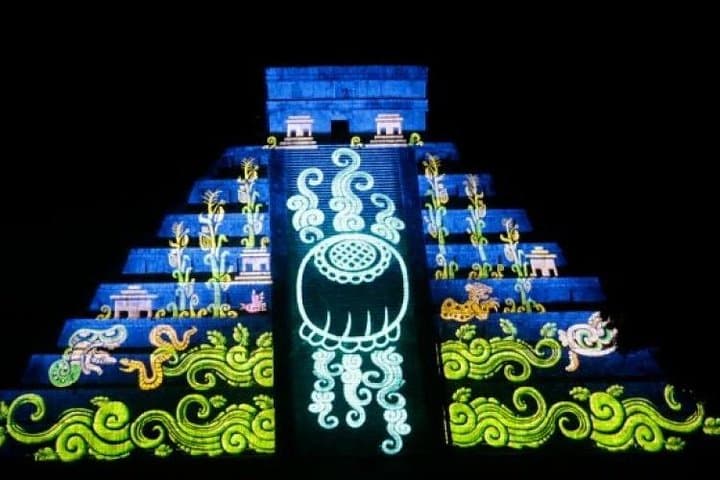
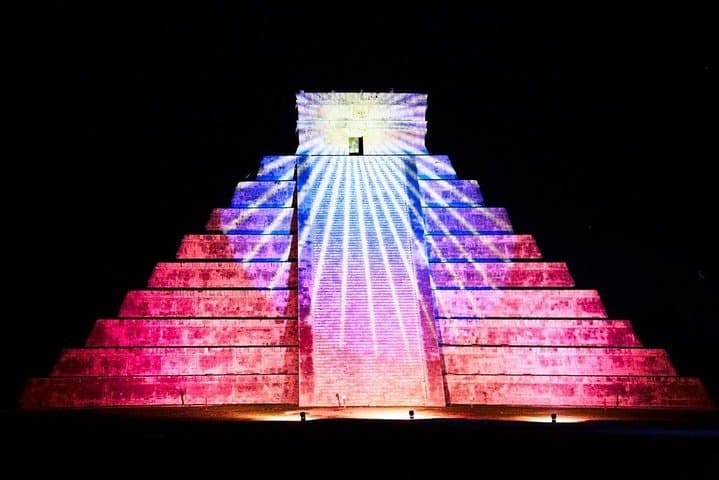
The day moves from underworld to high plaza. Hubiku’s open cenote is a limestone throat where palapa roofs and a single shaft let sunlight and leaf shadows choreograph on turquoise water; local artisans still weave hammocks nearby. Valladolid’s colonial grid and the baroque Church of San Servacio tell a different chapter—Spanish town planning overlaid on Maya routes. Finally Chichén Itzá at night flips the visitor’s perspective: stone surfaces become screens, reliefs animated by narration of Mayan astronomy, architecture and ritual that once marked equinox shadows on El Castillo.
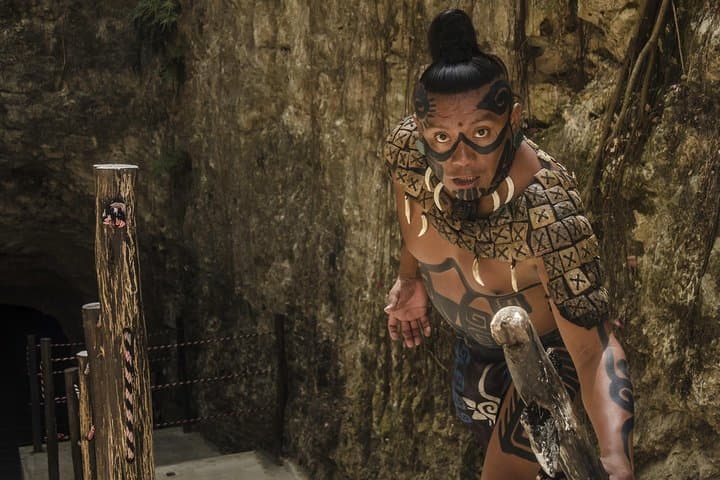
Geology and history are close: the Yucatán’s porous limestone created cenotes that were both water sources and sacred wells to the Maya. Culture shows in small details—flavors of a regional buffet, a tequila tasting inside a local museum, artisans selling hand-stitched hammocks—and in the scale of the pyramid’s astronomy.
Practical guidance: expect a long day (early pickup, late return), uneven walking surfaces, and brief swims at Hubiku—bring biodegradable sunscreen and a towel. Shoes that take mud, a change of clothes, and a small light help at night. The tour is straightforward for most fitness levels but includes steps, stairs and standing during the light show. Hydrate in advance, carry cash for souvenirs, and arrive with phone batteries charged: the night show is visual, but some moments are best observed without a screen.
moderate.
10–13 hours.
Able to tolerate a long day with periods of standing, short swims, and walking on uneven ground
Yes; the itinerary includes Hubiku cenote admission and time to swim—bring swimwear and biodegradable sunscreen.
Most departures include hotel pickup in the Cancún/Playa del Carmen/Riviera Maya corridor; confirm your exact pickup point at booking.
The show is family-friendly but involves late hours and standing; supervise children near steps and crowds.
Yes—Hubiku has facilities and a regional buffet lunch is provided; carry small cash for additional purchases.
Chichén Itzá was a major Postclassic Maya city known for its astronomy and monumental architecture; the Kukulcán pyramid encodes equinox shadow-serpent phenomena.
Stick to marked paths, avoid touching carvings, and use biodegradable sunscreen at cenotes—local organizations monitor visitor impact to protect water and ruins.
Mexico Top Vacations operates guided outdoor trips and adventures with an emphasis on safety, stewardship, and memorable experiences.
You step from an air-conditioned coach into humid Yucatán night: the cenote’s echoing pool ahead, moths sketching pathlit columns, and the distant silhouette of Kukulcán waiting for color.
You step from an air-conditioned coach into humid Yucatán night: the cenote’s echoing pool ahead, moths sketching pathlit columns, and the distant silhouette of Kukulcán waiting for color.
The day moves from underworld to high plaza. Hubiku’s open cenote is a limestone throat where palapa roofs and a single shaft let sunlight and leaf shadows choreograph on turquoise water; local artisans still weave hammocks nearby. Valladolid’s colonial grid and the baroque Church of San Servacio tell a different chapter—Spanish town planning overlaid on Maya routes. Finally Chichén Itzá at night flips the visitor’s perspective: stone surfaces become screens, reliefs animated by narration of Mayan astronomy, architecture and ritual that once marked equinox shadows on El Castillo.
Geology and history are close: the Yucatán’s porous limestone created cenotes that were both water sources and sacred wells to the Maya. Culture shows in small details—flavors of a regional buffet, a tequila tasting inside a local museum, artisans selling hand-stitched hammocks—and in the scale of the pyramid’s astronomy.
Practical guidance: expect a long day (early pickup, late return), uneven walking surfaces, and brief swims at Hubiku—bring biodegradable sunscreen and a towel. Shoes that take mud, a change of clothes, and a small light help at night. The tour is straightforward for most fitness levels but includes steps, stairs and standing during the light show. Hydrate in advance, carry cash for souvenirs, and arrive with phone batteries charged: the night show is visual, but some moments are best observed without a screen.