THE ADVENTURE COLLECTIVE® · Independent discovery and booking for outdoor travel

Spend a day with an expert guide exploring El Castillo at Chichén Itzá and the ochre streets of Izamal. This private tour pairs archaeological insight with a regional meal and private transport for a focused, comfortable outing.
Spend a day with an expert guide exploring El Castillo at Chichén Itzá and the ochre streets of Izamal. This private tour pairs archaeological insight with a regional meal and private transport for a focused, comfortable outing.
You step off the air-conditioned van into a flat sea of cut limestone—mornings here smell of warm stone and dry grass, the pyramid's shadow stretching like a hand across the plaza. An archaeological guide points out the geometry carved into El Castillo, explaining how light and astronomy meet in stone.
Verified experiences and guided adventures in the surrounding area.
Operated by Vip Tours · Piste, Yucatán
You step off the air-conditioned van into a flat sea of cut limestone—mornings here smell of warm stone and dry grass, the pyramid's shadow stretching like a hand across the plaza. An archaeological guide points out the geometry carved into El Castillo, explaining how light and astronomy meet in stone.
Chichén Itzá rose to prominence as a major Maya political and ceremonial center between the 7th and 10th centuries CE. The site sits on low, porous karst terrain where cenotes once supplied water and shaped settlement patterns. Later Spanish colonization left its mark nearby: Izamal's colonial convent was built atop pre-Hispanic platforms, and the town’s ochre-painted façades reflect a more recent municipal identity.
The tour combines on-site interpretation—pyramid alignments, the ballcourt, and stone carvings—with a cultural stop in Izamal, where local crafts and a regional meal (expect Yucatec flavors like cochinita pibil preparations) round out the day. The route is mostly flat walking on compacted soil and stone, with uneven steps at some monuments; climbing El Castillo is no longer permitted.
Practical guidance: start early to avoid midday heat and tour buses; carry 2 liters of water, sun protection, and comfortable shoes with tread. Bring small bills for local vendors and modest cash for tips. Expect 6 hours of travel and stops; the private vehicle makes logistics painless, but archaeological zones are exposed—schedule rest and shade breaks. Respect ropes and signage, and let the guide handle the interpretation: much of the site's meaning comes from context, not selfies.
easy.
6 hours.
Light-activity fitness: able to walk 1–3 miles over uneven ground and stand through guided talks
The itinerary is about 6 hours total with roughly 1–3 miles of walking across flat plazas and short stair sections; the private vehicle reduces fatigue between stops.
No, climbing El Castillo and most major structures is prohibited to protect the archaeology and for visitor safety.
The restaurant offers chicken, pork, and vegan options—notify the operator in advance to accommodate allergies or dietary needs.
Yes—both Chichén Itzá and Izamal have public restrooms and designated shaded rest areas, but facilities may be basic; bring personal supplies.
Chichén Itzá was a major Classic-to-Postclassic Maya center; Izamal later became a colonial-era religious hub built atop pre-Hispanic platforms.
Both sites carry heavy visitor impact—stay on marked paths, avoid touching masonry, and support local guides and businesses to channel tourism benefits into the community.
Vip Tours operates guided outdoor trips and adventures with an emphasis on safety, stewardship, and memorable experiences.
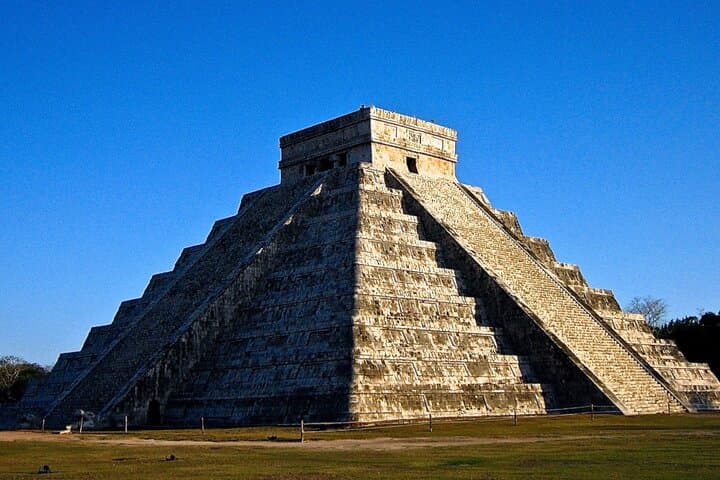
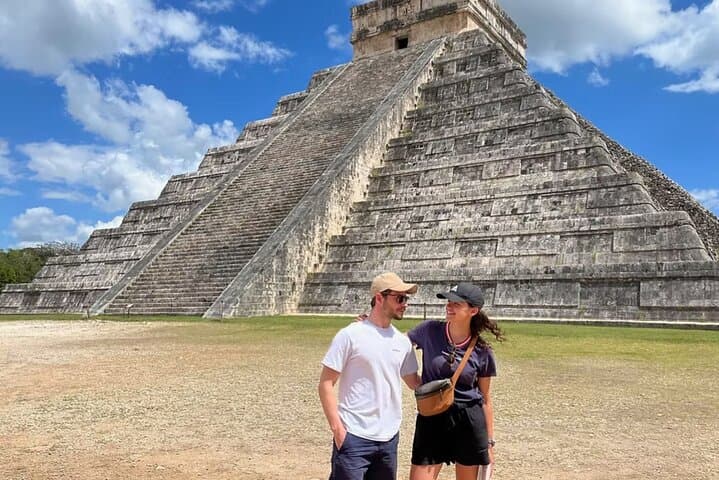
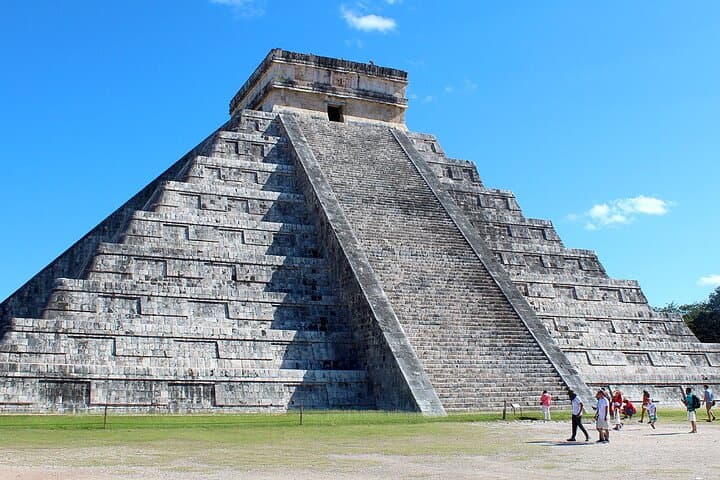
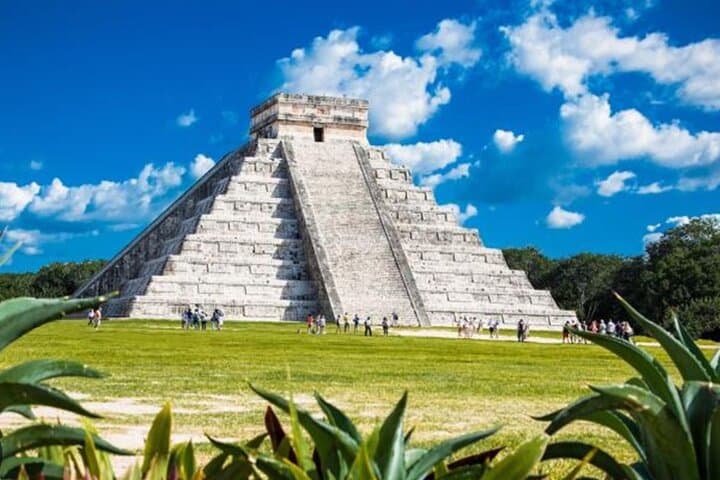
You step off the air-conditioned van into a flat sea of cut limestone—mornings here smell of warm stone and dry grass, the pyramid's shadow stretching like a hand across the plaza. An archaeological guide points out the geometry carved into El Castillo, explaining how light and astronomy meet in stone.
You step off the air-conditioned van into a flat sea of cut limestone—mornings here smell of warm stone and dry grass, the pyramid's shadow stretching like a hand across the plaza. An archaeological guide points out the geometry carved into El Castillo, explaining how light and astronomy meet in stone.
Chichén Itzá rose to prominence as a major Maya political and ceremonial center between the 7th and 10th centuries CE. The site sits on low, porous karst terrain where cenotes once supplied water and shaped settlement patterns. Later Spanish colonization left its mark nearby: Izamal's colonial convent was built atop pre-Hispanic platforms, and the town’s ochre-painted façades reflect a more recent municipal identity.
The tour combines on-site interpretation—pyramid alignments, the ballcourt, and stone carvings—with a cultural stop in Izamal, where local crafts and a regional meal (expect Yucatec flavors like cochinita pibil preparations) round out the day. The route is mostly flat walking on compacted soil and stone, with uneven steps at some monuments; climbing El Castillo is no longer permitted.
Practical guidance: start early to avoid midday heat and tour buses; carry 2 liters of water, sun protection, and comfortable shoes with tread. Bring small bills for local vendors and modest cash for tips. Expect 6 hours of travel and stops; the private vehicle makes logistics painless, but archaeological zones are exposed—schedule rest and shade breaks. Respect ropes and signage, and let the guide handle the interpretation: much of the site's meaning comes from context, not selfies.