THE ADVENTURE COLLECTIVE® · Independent discovery and booking for outdoor travel

Spend a full day exploring Chichen Itza’s monumental ruins, swim in two distinctly different cenotes (Ikkil and Hubiku), and stroll colonial Valladolid. This deluxe day trip from Cancun pairs archaeology with freshwater caves and a regional buffet.
Spend a full day exploring Chichen Itza’s monumental ruins, swim in two distinctly different cenotes (Ikkil and Hubiku), and stroll colonial Valladolid. This deluxe day trip from Cancun pairs archaeology with freshwater caves and a regional buffet.
You step off the air-conditioned coach into a wide, sun-bright plaza; the stone face of El Castillo rises ahead, geometric and patient, its shadow sliding across the main esplanade as guides point out carving details and astronomical alignments.
Verified experiences and guided adventures in the surrounding area.
Operated by Altustours · Pisté, Yucatán
You step off the air-conditioned coach into a wide, sun-bright plaza; the stone face of El Castillo rises ahead, geometric and patient, its shadow sliding across the main esplanade as guides point out carving details and astronomical alignments.
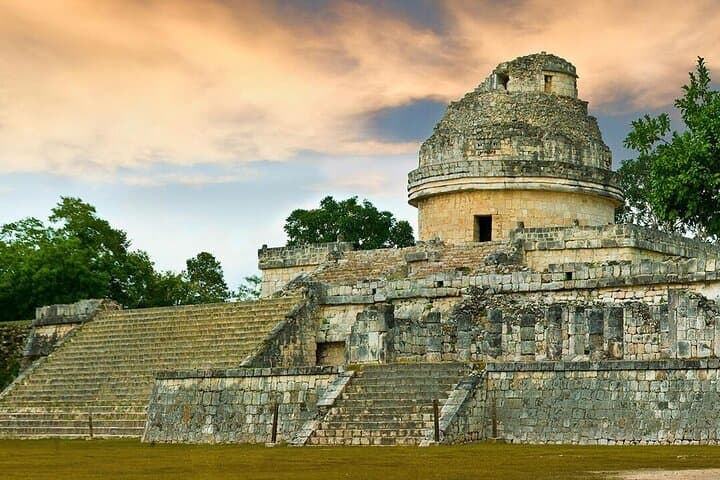
This full-day loop threads cultural landmarks with swimming holes carved by limestone collapse. Chichen Itza served as a major Maya ceremonial and trading center between roughly the 9th and 12th centuries — the Observatory, Temple of the Warriors and the Ball Court speak to astronomy, ritual and sport. The Sacred Cenote nearby was used for offerings; today's cenotes, Ikkil and Hubiku, are geological sinkholes where the groundwater sits in open caverns or sunlit pits.
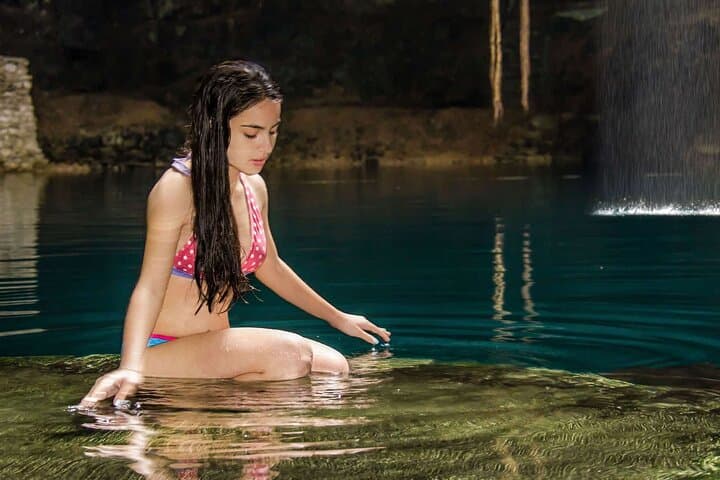
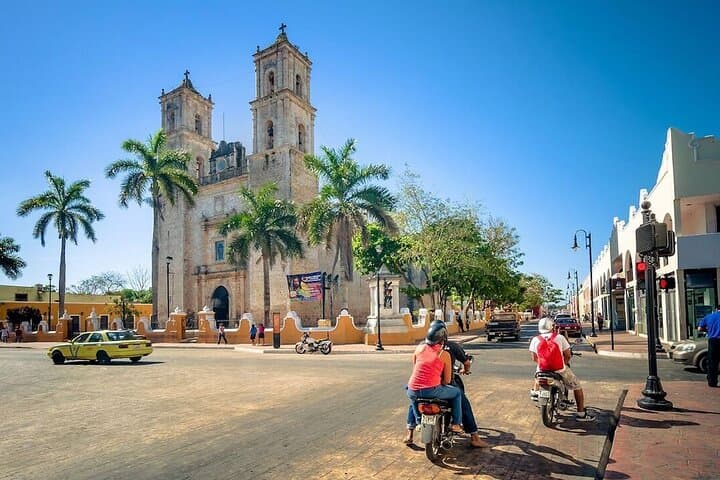
Expect warm, humid air, intermittent bird calls, and iguanas sunning on low walls. The tour pace is guided but includes free time to photograph the pyramid, swim in two different cenote types — an open cenote with a ladder and an underground cavern lit by a skylight — and a regional buffet in a cenote restaurant. Valladolid provides a quieter colonial contrast where you can stretch legs and sample street food.
Practical edge: this is a long day (about 12–13 hours), with walking on uneven stone, concrete and stairs. Bring a refillable water bottle, biodegradable sunscreen, swimwear and a towel, and be prepared for a small preservation tax at the archaeological site. Arrive early on the bus to avoid midday crowds and use the free time at each stop to move at your own pace.
moderate.
12–13 hours.
Suitable for travelers in good general health who can walk 1–2 miles on uneven ground and tolerate a long day of standing and stairs.
No — climbing El Castillo has been prohibited for preservation and safety reasons; you can photograph and walk around the base.
No — a preservation tax (around $15 USD per person) is typically paid on-site and is not included in many tour prices.
Yes—cenotes visited on guided tours usually have ladders or platforms and staff; follow instructions and avoid diving in shallow areas.
The tour is family-friendly but long; those with mobility limits, heart or spinal conditions, or pregnant travelers should avoid strenuous participation and consult the operator.
Chichen Itza was a major Maya urban and ceremonial center; many structures align to solar and equinox phenomena used for agricultural and ritual calendars.
Cenotes are fragile aquifers—use biodegradable products, avoid littering and respect site rules; the preservation tax helps fund maintenance and protection.
Altustours operates guided outdoor trips and adventures with an emphasis on safety, stewardship, and memorable experiences.
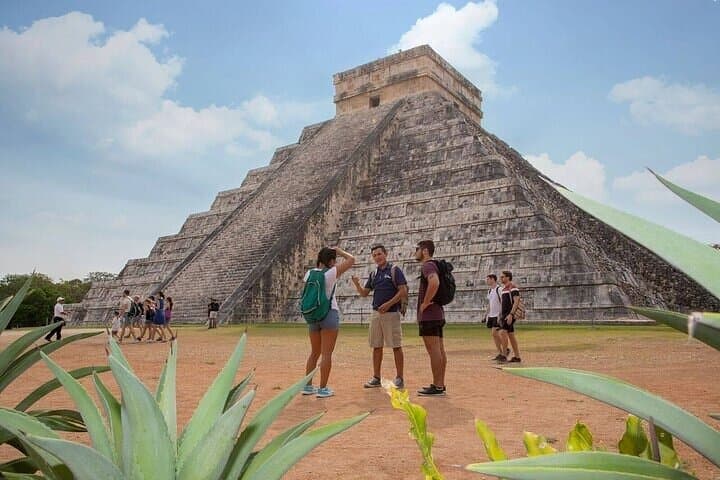
You step off the air-conditioned coach into a wide, sun-bright plaza; the stone face of El Castillo rises ahead, geometric and patient, its shadow sliding across the main esplanade as guides point out carving details and astronomical alignments.
You step off the air-conditioned coach into a wide, sun-bright plaza; the stone face of El Castillo rises ahead, geometric and patient, its shadow sliding across the main esplanade as guides point out carving details and astronomical alignments.
This full-day loop threads cultural landmarks with swimming holes carved by limestone collapse. Chichen Itza served as a major Maya ceremonial and trading center between roughly the 9th and 12th centuries — the Observatory, Temple of the Warriors and the Ball Court speak to astronomy, ritual and sport. The Sacred Cenote nearby was used for offerings; today's cenotes, Ikkil and Hubiku, are geological sinkholes where the groundwater sits in open caverns or sunlit pits.
Expect warm, humid air, intermittent bird calls, and iguanas sunning on low walls. The tour pace is guided but includes free time to photograph the pyramid, swim in two different cenote types — an open cenote with a ladder and an underground cavern lit by a skylight — and a regional buffet in a cenote restaurant. Valladolid provides a quieter colonial contrast where you can stretch legs and sample street food.
Practical edge: this is a long day (about 12–13 hours), with walking on uneven stone, concrete and stairs. Bring a refillable water bottle, biodegradable sunscreen, swimwear and a towel, and be prepared for a small preservation tax at the archaeological site. Arrive early on the bus to avoid midday crowds and use the free time at each stop to move at your own pace.