THE ADVENTURE COLLECTIVE® · Independent discovery and booking for outdoor travel

Combine one of the New Seven Wonders of the World with two striking cenotes and a stop in colonial Valladolid on this full-day tour from Cancún. Expect driving of ~2 hours each way, guided history at Chichén Itzá, swimming at Ik Kil and Suytun, and practical tips for a hot, active day.
Combine one of the New Seven Wonders of the World with two striking cenotes and a stop in colonial Valladolid on this full-day tour from Cancún. Expect driving of ~2 hours each way, guided history at Chichén Itzá, swimming at Ik Kil and Suytun, and practical tips for a hot, active day.
Morning air on the highway from Cancún carries humidity and the promise of limestone—by midmorning the jungle gives way to low scrub and the stepped silhouette of El Castillo rises above the plaza. On this full-day circuit you’ll move from the ceremonial geometry of Chichén Itzá to two very different cenotes and a colonial town square, each offering a distinct rhythm: ceremonial stone, subterranean water, and courtyard life.
Verified experiences and guided adventures in the surrounding area.
Operated by Best Cancun Experience · Cancun, Quintana Roo
Morning air on the highway from Cancún carries humidity and the promise of limestone—by midmorning the jungle gives way to low scrub and the stepped silhouette of El Castillo rises above the plaza. On this full-day circuit you’ll move from the ceremonial geometry of Chichén Itzá to two very different cenotes and a colonial town square, each offering a distinct rhythm: ceremonial stone, subterranean water, and courtyard life.
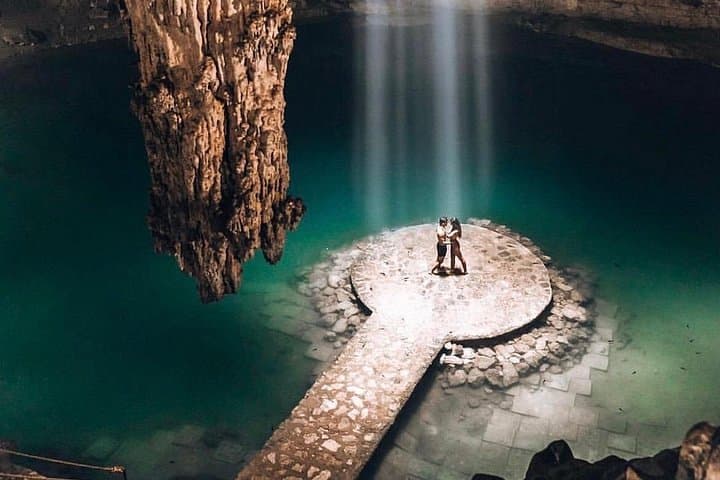
Chichén Itzá sits on Yucatán’s exposed karst where millennia of dissolution created underground rivers and sinkholes. The Maya oriented their architecture to the sun and calendar; El Castillo marks equinox shadows, while nearby ballcourts and observatories tell a measured civic story. Cenotes Ik Kil and Suytun are collapse features in the porous limestone—Ik Kil plunges roughly 40 meters into a verdant shaft, Suytun presents a circular platform and a slot of sunlight that cleaves the water into turquoise.
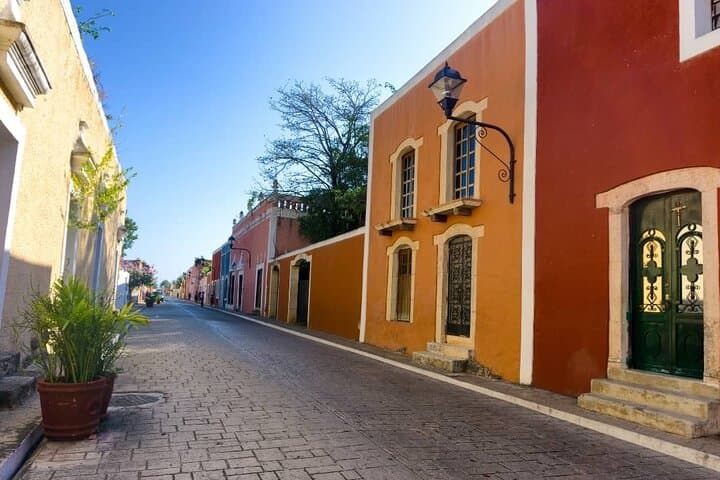
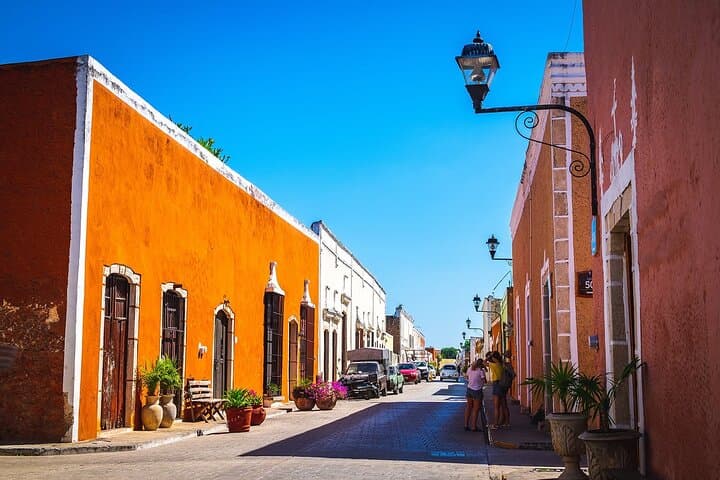
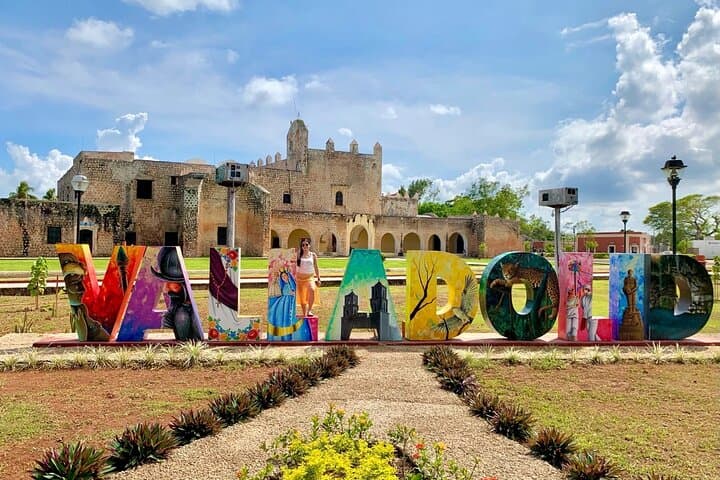
Valladolid adds a cultural interlude: a colonial grid, San Servacio cathedral, and mercados where cochinita and handcrafts root the visit in contemporary Yucatecan life.
Practical side: expect roughly 2–2.5 hours driving each way from Cancún, about an hour at Ik Kil, two hours at Chichén Itzá, and time for swimming and a light lunch. Bring reef-safe sunscreen, a swimsuit and quick-dry towel, sturdy shoes for uneven stone, cash for lockers and tips, and a lightweight layer for early departures. Start early to avoid heat and crowds; respect site rules—no climbing the main pyramid—and use provided life jackets if you’re not a strong swimmer.
moderate.
8 hours.
Suitable for average fitness: walking on uneven ground, some stairs, and brief swims; expect moderate heat and standing during guided segments.
Expect about 2–2.5 hours each way by air-conditioned vehicle, depending on traffic and stops.
Yes—both cenotes permit swimming; water can be deep so life jackets are often available and recommended for weak swimmers.
This tour includes admissions to Chichén Itzá, Ik Kil, and Suytun as well as a light box breakfast and lunch as listed in the itinerary.
No; climbing the main pyramid has been prohibited for conservation and safety reasons—visitors explore the plaza and surrounding structures with a guide.
Chichén Itzá rose to prominence between AD 600–900 as a regional center; its architecture reflects Maya astronomical knowledge and Mesoamerican trade connections.
Cenotes are fragile karst features tied to underground aquifers—use biodegradable sunscreen, avoid contaminating waters, and follow local rules to protect these freshwater systems.
Best Cancun Experience operates guided outdoor trips and adventures with an emphasis on safety, stewardship, and memorable experiences.
Morning air on the highway from Cancún carries humidity and the promise of limestone—by midmorning the jungle gives way to low scrub and the stepped silhouette of El Castillo rises above the plaza. On this full-day circuit you’ll move from the ceremonial geometry of Chichén Itzá to two very different cenotes and a colonial town square, each offering a distinct rhythm: ceremonial stone, subterranean water, and courtyard life.
Morning air on the highway from Cancún carries humidity and the promise of limestone—by midmorning the jungle gives way to low scrub and the stepped silhouette of El Castillo rises above the plaza. On this full-day circuit you’ll move from the ceremonial geometry of Chichén Itzá to two very different cenotes and a colonial town square, each offering a distinct rhythm: ceremonial stone, subterranean water, and courtyard life.
Chichén Itzá sits on Yucatán’s exposed karst where millennia of dissolution created underground rivers and sinkholes. The Maya oriented their architecture to the sun and calendar; El Castillo marks equinox shadows, while nearby ballcourts and observatories tell a measured civic story. Cenotes Ik Kil and Suytun are collapse features in the porous limestone—Ik Kil plunges roughly 40 meters into a verdant shaft, Suytun presents a circular platform and a slot of sunlight that cleaves the water into turquoise.
Valladolid adds a cultural interlude: a colonial grid, San Servacio cathedral, and mercados where cochinita and handcrafts root the visit in contemporary Yucatecan life.
Practical side: expect roughly 2–2.5 hours driving each way from Cancún, about an hour at Ik Kil, two hours at Chichén Itzá, and time for swimming and a light lunch. Bring reef-safe sunscreen, a swimsuit and quick-dry towel, sturdy shoes for uneven stone, cash for lockers and tips, and a lightweight layer for early departures. Start early to avoid heat and crowds; respect site rules—no climbing the main pyramid—and use provided life jackets if you’re not a strong swimmer.