THE ADVENTURE COLLECTIVE® · Independent discovery and booking for outdoor travel

Experience Chichén Itzá’s monumental ruins, swim in the luminous cenotes of Ik Kil and Hubiku, and explore colonial Valladolid in a single, long day from Cancún. This full-day tour blends archaeology, geology and local culture with practical comforts and clear logistics.
Experience Chichén Itzá’s monumental ruins, swim in the luminous cenotes of Ik Kil and Hubiku, and explore colonial Valladolid in a single, long day from Cancún. This full-day tour blends archaeology, geology and local culture with practical comforts and clear logistics.
You step off the bus into a dry, bright Yucatán morning—limestone plains stretching green and low, the air already carrying heat and the faint scent of crushed grass. The first sight is Kukulcán’s stepped profile rising from the earth, hard-edged against a wide sky that demands you slow down and take the measure of ancient engineering.
Verified experiences and guided adventures in the surrounding area.
Operated by Pata de peek travel · Pisté, Yucatán
You step off the bus into a dry, bright Yucatán morning—limestone plains stretching green and low, the air already carrying heat and the faint scent of crushed grass. The first sight is Kukulcán’s stepped profile rising from the earth, hard-edged against a wide sky that demands you slow down and take the measure of ancient engineering.
This is a day that alternates between human history and karst geology. Chichén Itzá, a UNESCO site built by the Maya between the 7th and 10th centuries, concentrates civic, astronomical and ceremonial architecture—Temple of Kukulcán, the ballcourt, the Sacred Cenote—each structure designed with mathematical purpose. Nearby, Ik Kil and Hubiku reveal another side of the peninsula: cenotes formed where the limestone bedrock collapsed and groundwater pooled, creating shafts and caverns with clear, cool water. Valladolid, a colonial town founded in the 16th century, offers a quieter, lived-in counterpoint: a central plaza, masonry church, and small artisan stalls.
Practical edge: this is a long day—expect 11–12 hours on a shared coach, with walking over uneven stone and short boardwalks at the cenotes. Bring a swimsuit, biodegradable sunscreen, insect repellent, and a towel; life vests are rentable on site. Wear sturdy sandals or hiking shoes for ruins and slick limestone steps. Hydrate frequently—the sun is strong and shade limited. Plan cash for markets and vest rentals. Guides typically cover logistics and history, but the schedule can stretch with traffic; if you need more time in Valladolid or to linger at a cenote, consider arranging a private transfer or extra time in the town afterward.
moderate.
11–12 hours (up to 14+ with transfers).
Able to handle a long day with multiple short walks, stairs and humid heat; basic endurance required.
This tour lists access to Chichén Itzá and both cenotes as included—confirm on booking; optional extras like life vest rentals and market purchases are typically extra.
Climbing Kukulcán has been prohibited for years to protect the structure; visitors can walk the site and photograph the pyramid from the base.
The tour is family-friendly but involves long bus transfers, stairs and uneven terrain—those with mobility limits should check accessibility at each stop and consider shorter alternatives.
Shared tours run on fixed schedules; request options for extended stops or book a private transfer if you want extra time to explore the town's museums and eateries.
Chichén Itzá rose to regional prominence as a political and ceremonial center; nearby Valladolid was established under Spanish colonial rule and retains strong Maya and colonial cultural threads.
Cenotes are sensitive aquifers—use biodegradable sunscreen, avoid littering, and follow site rules to protect water quality and subterranean habitats.
Pata de peek travel operates guided outdoor trips and adventures with an emphasis on safety, stewardship, and memorable experiences.
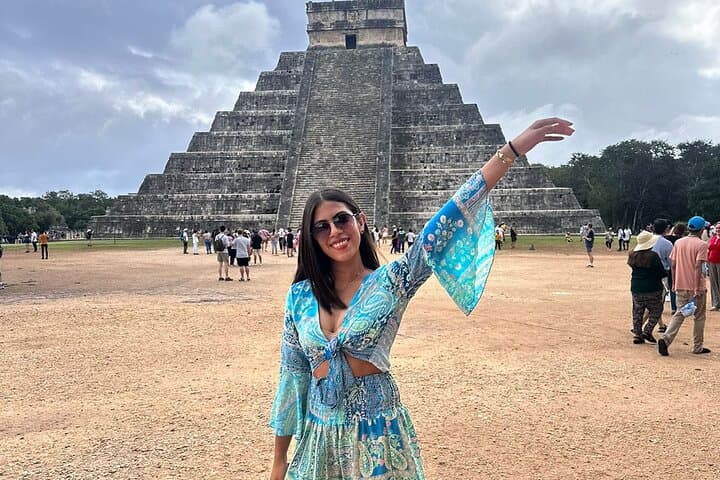
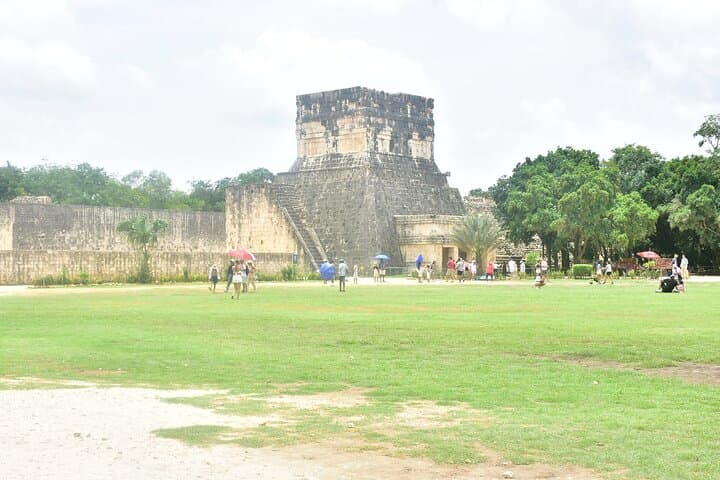
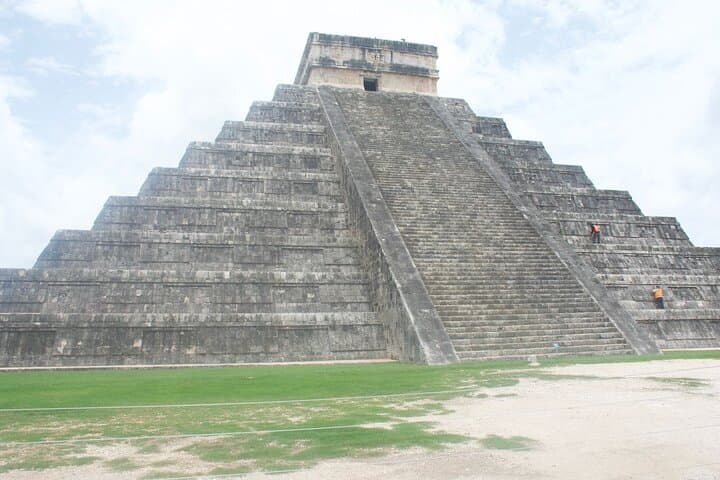
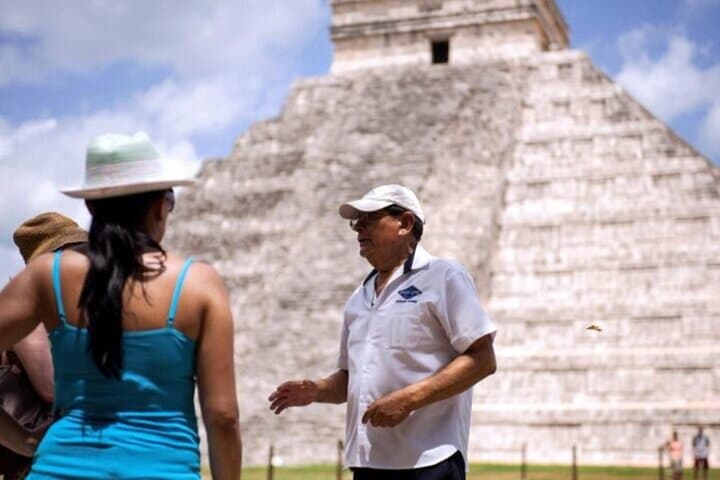
You step off the bus into a dry, bright Yucatán morning—limestone plains stretching green and low, the air already carrying heat and the faint scent of crushed grass. The first sight is Kukulcán’s stepped profile rising from the earth, hard-edged against a wide sky that demands you slow down and take the measure of ancient engineering.
You step off the bus into a dry, bright Yucatán morning—limestone plains stretching green and low, the air already carrying heat and the faint scent of crushed grass. The first sight is Kukulcán’s stepped profile rising from the earth, hard-edged against a wide sky that demands you slow down and take the measure of ancient engineering.
This is a day that alternates between human history and karst geology. Chichén Itzá, a UNESCO site built by the Maya between the 7th and 10th centuries, concentrates civic, astronomical and ceremonial architecture—Temple of Kukulcán, the ballcourt, the Sacred Cenote—each structure designed with mathematical purpose. Nearby, Ik Kil and Hubiku reveal another side of the peninsula: cenotes formed where the limestone bedrock collapsed and groundwater pooled, creating shafts and caverns with clear, cool water. Valladolid, a colonial town founded in the 16th century, offers a quieter, lived-in counterpoint: a central plaza, masonry church, and small artisan stalls.
Practical edge: this is a long day—expect 11–12 hours on a shared coach, with walking over uneven stone and short boardwalks at the cenotes. Bring a swimsuit, biodegradable sunscreen, insect repellent, and a towel; life vests are rentable on site. Wear sturdy sandals or hiking shoes for ruins and slick limestone steps. Hydrate frequently—the sun is strong and shade limited. Plan cash for markets and vest rentals. Guides typically cover logistics and history, but the schedule can stretch with traffic; if you need more time in Valladolid or to linger at a cenote, consider arranging a private transfer or extra time in the town afterward.