THE ADVENTURE COLLECTIVE® · Independent discovery and booking for outdoor travel

Spend a long, rewarding day traveling from Tulum to Chichén Itzá, then cool off in the jade waters of Ik Kil and Hubiku before exploring the colonial charm of Valladolid. This full-day combines Maya history, karst geology, and refreshing cenote swims.
Spend a long, rewarding day traveling from Tulum to Chichén Itzá, then cool off in the jade waters of Ik Kil and Hubiku before exploring the colonial charm of Valladolid. This full-day combines Maya history, karst geology, and refreshing cenote swims.
The bus eases out of Tulum before dawn and the jungle presses close, green and humid, as the road points inland toward Chichén Itzá. When you step from the vehicle the limestone plaza opens wide—stone platforms and plazas laid out with geometric clarity where wind and sun still trace the lines of ancient ceremonies.
Verified experiences and guided adventures in the surrounding area.
Operated by Stap Travel · Pisté, Yucatán
The bus eases out of Tulum before dawn and the jungle presses close, green and humid, as the road points inland toward Chichén Itzá. When you step from the vehicle the limestone plaza opens wide—stone platforms and plazas laid out with geometric clarity where wind and sun still trace the lines of ancient ceremonies.
Chichén Itzá is both archaeological classroom and stage: the Kukulcán pyramid marks Maya astronomical skill, the Ball Court echoes ritual contests, and the Sacred Cenote speaks to ritual offerings. Geologically the region is low, porous karst—water has hollowed the bedrock for millennia, producing cenotes that were both life sources and sacred portals.
After the ruin visit the day shifts from stone to water. Cenote Ik Kil drops you into a cathedral of hanging vines and a round, open sinkhole; light and water play off the basalt walls. Hubiku’s cavern feels quieter, cooler—a place to float and listen as the cenote seems to hold time itself.
Practical guidance: departures from Tulum mean a long day—expect 10–12 hours including round-trip transport and a boxed lunch plus a regional buffet at the cenote site. Bring swimwear, towel, biodegradable sunscreen and insect repellent; life vests are mandatory at the cenotes. There’s light walking on compacted earth and uneven stone (plan for 2–3 km on-site); steps and hard surfaces mean good footwear helps. Note the Yucatán archaeological preservation fee (listed separately) and that itineraries can shift by operator choice.
This trip pairs cultural context with tactile nature: history under sun, cool cenote water daring you to dive in and reset for the journey back to the coast.
moderate.
10–12 hours.
Suitable for travelers in average physical condition who can handle a long day with multiple short walks and some stairs.
The schedule is roughly 10–12 hours round-trip, including travel, site visits, swimming time, and the buffet stop.
Life vests are mandatory and staff supervise access; follow onsite rules and avoid diving into shallow areas.
A preservation tax is required at the site (listed separately in operator notes); confirm whether entrance fees are covered when booking.
No—climbing the main pyramid has been restricted for preservation and safety; you can walk the plaza and view the structure from all sides.
Chichén Itzá grew as a major Maya political and ceremonial center; cenotes were central to Maya spirituality and water supply in a karst landscape.
Respect signage at cenotes (no sunscreen where prohibited) and use biodegradable products; visitation carries impacts, so follow paths and avoid touching archaeological structures.
Stap Travel operates guided outdoor trips and adventures with an emphasis on safety, stewardship, and memorable experiences.
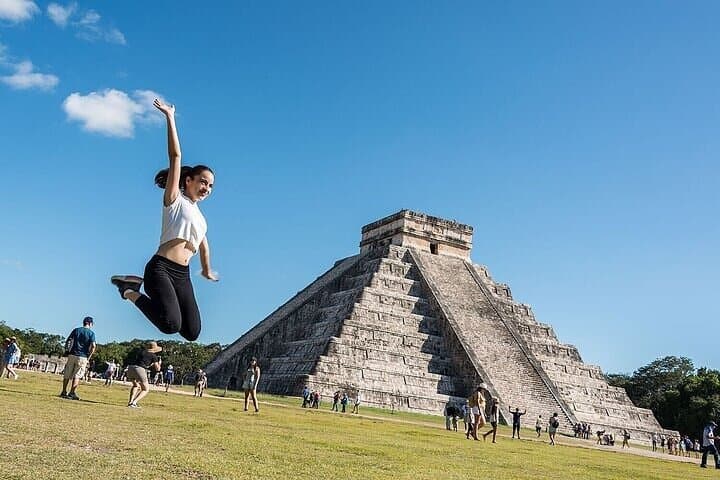
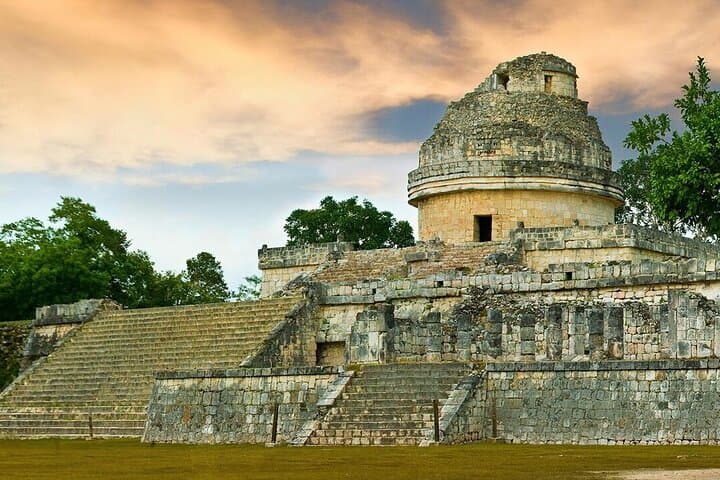
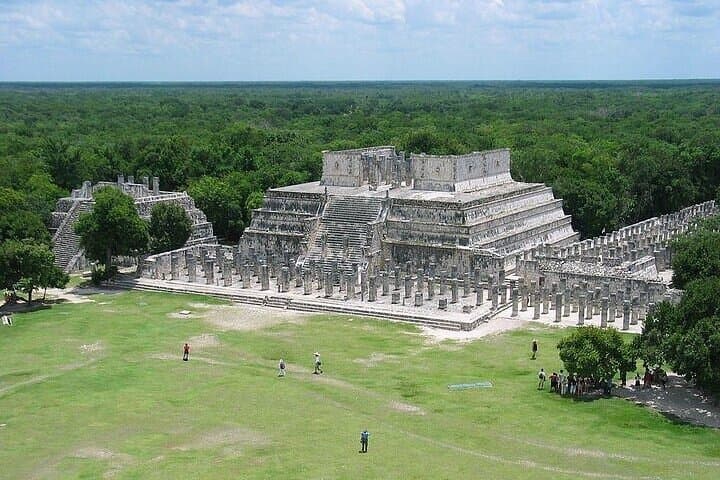
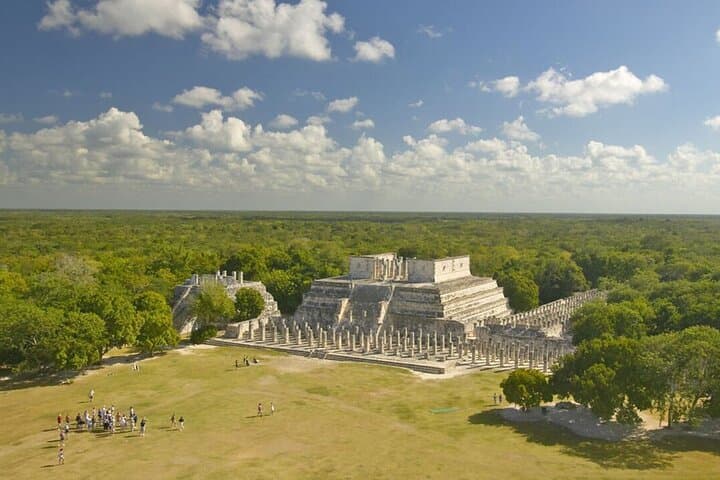
The bus eases out of Tulum before dawn and the jungle presses close, green and humid, as the road points inland toward Chichén Itzá. When you step from the vehicle the limestone plaza opens wide—stone platforms and plazas laid out with geometric clarity where wind and sun still trace the lines of ancient ceremonies.
The bus eases out of Tulum before dawn and the jungle presses close, green and humid, as the road points inland toward Chichén Itzá. When you step from the vehicle the limestone plaza opens wide—stone platforms and plazas laid out with geometric clarity where wind and sun still trace the lines of ancient ceremonies.
Chichén Itzá is both archaeological classroom and stage: the Kukulcán pyramid marks Maya astronomical skill, the Ball Court echoes ritual contests, and the Sacred Cenote speaks to ritual offerings. Geologically the region is low, porous karst—water has hollowed the bedrock for millennia, producing cenotes that were both life sources and sacred portals.
After the ruin visit the day shifts from stone to water. Cenote Ik Kil drops you into a cathedral of hanging vines and a round, open sinkhole; light and water play off the basalt walls. Hubiku’s cavern feels quieter, cooler—a place to float and listen as the cenote seems to hold time itself.
Practical guidance: departures from Tulum mean a long day—expect 10–12 hours including round-trip transport and a boxed lunch plus a regional buffet at the cenote site. Bring swimwear, towel, biodegradable sunscreen and insect repellent; life vests are mandatory at the cenotes. There’s light walking on compacted earth and uneven stone (plan for 2–3 km on-site); steps and hard surfaces mean good footwear helps. Note the Yucatán archaeological preservation fee (listed separately) and that itineraries can shift by operator choice.
This trip pairs cultural context with tactile nature: history under sun, cool cenote water daring you to dive in and reset for the journey back to the coast.