THE ADVENTURE COLLECTIVE® · Independent discovery and booking for outdoor travel

Combine one of the Yucatán’s iconic ruins with a dramatic cenote swim and a stroll through colonial Valladolid on this small-group day tour. Perfect for travelers who want history, geology and a refreshing dip in a single, well-paced day.
Combine one of the Yucatán’s iconic ruins with a dramatic cenote swim and a stroll through colonial Valladolid on this small-group day tour. Perfect for travelers who want history, geology and a refreshing dip in a single, well-paced day.
You pull off the highway as dawn thins the jungle silhouette and the pyramid of El Castillo looms into view—its limestone faces catching the first light while guide chatter and the hum of the engine settle into a ready calm. The site feels alive: stone staircases hold the day’s heat and the plaza opens like an arena in which Maya time still moves.
Verified experiences and guided adventures in the surrounding area.
Operated by Mayan Riviera Tours · Pisté, Yucatán
You pull off the highway as dawn thins the jungle silhouette and the pyramid of El Castillo looms into view—its limestone faces catching the first light while guide chatter and the hum of the engine settle into a ready calm. The site feels alive: stone staircases hold the day’s heat and the plaza opens like an arena in which Maya time still moves.
Chichén Itzá was one of the Yucatán’s dominant Maya cities from about 600–1200 CE; its architecture reflects astronomy, water management and ritual. Geologically the region is porous karst—limestone that collapses into caves and sinkholes—so cenotes like Ik Kil are natural wells carved by millennia of water. Valladolid’s colonial core, finished in the 16th century, adds a contrasting layer: Spanish plazas, painted façades and modest convents.
Expect 8–11 hours on this loop: roughly 2–3 hours at Chichén Itzá, 1–2 hours at Ik Kil for swimming and lunch, and an hour in Valladolid. Surfaces are mostly flat stone and packed earth; steps at the ruins can be steep and uneven. Ik Kil is an open cenote with hanging vines and a deep pool—life jackets and lockers are provided. Practicalities: there’s a mandatory Chichén Itzá access fee collected at pickup, bring sun protection and cash for small purchases, and plan for humidity and mid-day heat. Timing matters—arrive early at the ruins to avoid the biggest crowds and hottest sun.
This is a full but accessible day that mixes history, geology and a refreshing swim—bring comfortable shoes, a swimsuit, and curiosity.
easy.
8–11 hours.
Suitable for most fitness levels but expect a full day on your feet; be comfortable walking on uneven surfaces and climbing short steps.
The tour runs about 8–11 hours and typically includes transport, breakfast, lunch buffet, bottled water, Ik Kil cenote entrance with life jacket and lockers, Chichén Itzá admission handling, and a professional guide.
Yes—there is a mandatory Chichén Itzá access fee collected at pickup (check current rates); bring cash for that payment and for small purchases in Valladolid.
Yes, life jackets are provided at Ik Kil; non-swimmers should use them and stay within designated areas, and showers/lockers are available.
No—climbing on major structures is prohibited to protect the monuments and for visitor safety; you can still get close for photography and observation.
Chichén Itzá’s structures align to astronomical events and reflect a mix of Maya and later Toltec influences; cenotes were sacred water sources and sites of ritual offerings.
Heavy visitation stresses fragile sites and cenote ecosystems—use reef-safe sunscreen, follow path rules, and avoid touching limestone carvings.
Mayan Riviera Tours operates guided outdoor trips and adventures with an emphasis on safety, stewardship, and memorable experiences.
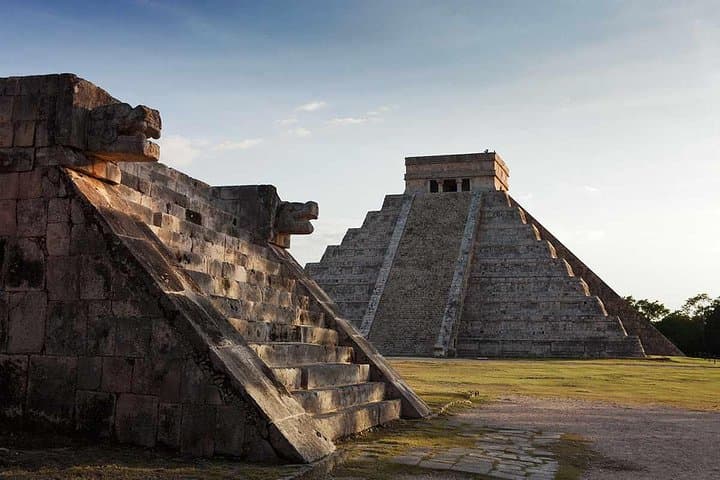


You pull off the highway as dawn thins the jungle silhouette and the pyramid of El Castillo looms into view—its limestone faces catching the first light while guide chatter and the hum of the engine settle into a ready calm. The site feels alive: stone staircases hold the day’s heat and the plaza opens like an arena in which Maya time still moves.
You pull off the highway as dawn thins the jungle silhouette and the pyramid of El Castillo looms into view—its limestone faces catching the first light while guide chatter and the hum of the engine settle into a ready calm. The site feels alive: stone staircases hold the day’s heat and the plaza opens like an arena in which Maya time still moves.
Chichén Itzá was one of the Yucatán’s dominant Maya cities from about 600–1200 CE; its architecture reflects astronomy, water management and ritual. Geologically the region is porous karst—limestone that collapses into caves and sinkholes—so cenotes like Ik Kil are natural wells carved by millennia of water. Valladolid’s colonial core, finished in the 16th century, adds a contrasting layer: Spanish plazas, painted façades and modest convents.
Expect 8–11 hours on this loop: roughly 2–3 hours at Chichén Itzá, 1–2 hours at Ik Kil for swimming and lunch, and an hour in Valladolid. Surfaces are mostly flat stone and packed earth; steps at the ruins can be steep and uneven. Ik Kil is an open cenote with hanging vines and a deep pool—life jackets and lockers are provided. Practicalities: there’s a mandatory Chichén Itzá access fee collected at pickup, bring sun protection and cash for small purchases, and plan for humidity and mid-day heat. Timing matters—arrive early at the ruins to avoid the biggest crowds and hottest sun.
This is a full but accessible day that mixes history, geology and a refreshing swim—bring comfortable shoes, a swimsuit, and curiosity.