THE ADVENTURE COLLECTIVE® · Independent discovery and booking for outdoor travel

Spend a long day exploring Chichén Itzá, two of the region’s most photogenic cenotes, and the colonial town of Valladolid. This full-day trip pairs archaeological insight with swims in clear limestone pools—ideal for travelers who want one compact, active itinerary in the Yucatán.
Spend a long day exploring Chichén Itzá, two of the region’s most photogenic cenotes, and the colonial town of Valladolid. This full-day trip pairs archaeological insight with swims in clear limestone pools—ideal for travelers who want one compact, active itinerary in the Yucatán.
The bus leaves Cancun before dawn and the Maya lowlands unfold: flat limestone plains threaded with scrub and sleepy villages. By mid-morning the driver pulls into the wide clearing at Chichén Itzá—stone plazas and the stepped profile of El Castillo rising from the heat, while the jungle seems to press its fringe closer to the ruins.
Verified experiences and guided adventures in the surrounding area.
Operated by Best Price Cancún Tours · Valladolid, Yucatan
The bus leaves Cancun before dawn and the Maya lowlands unfold: flat limestone plains threaded with scrub and sleepy villages. By mid-morning the driver pulls into the wide clearing at Chichén Itzá—stone plazas and the stepped profile of El Castillo rising from the heat, while the jungle seems to press its fringe closer to the ruins.
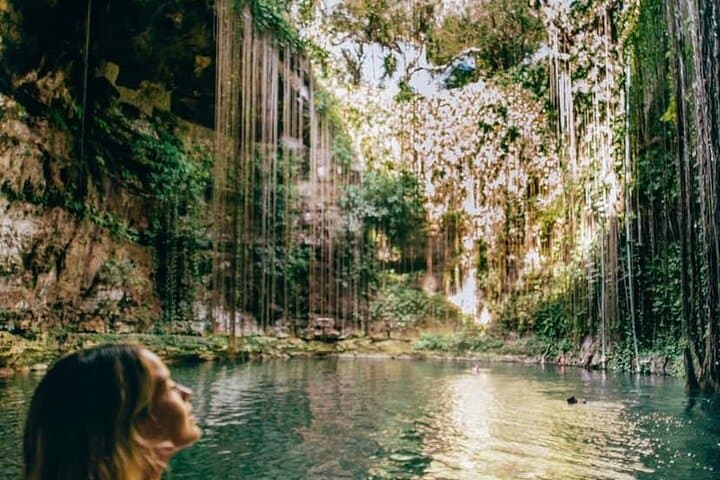
This route stitches together geological and cultural landmarks. The Yucatán sits on porous limestone; raincarved sinkholes expose the underground aquifer and create cenotes—open pools and cavernous shafts that were sources of water and ritual for the Maya. At Ik Kil you descend a carved stair and find a deep, circular pool rimmed with hanging vines; Hubikú offers a mix of open and semi-cavernous swim spots framed by jungle. Valladolid adds colonial color: pastel facades, the San Servacio church, and markets where cochinita pibil steams in pits.
Practical bits: the full-day tour runs roughly 12 hours with round-trip transport, about 3 hours at Chichén Itzá and one-hour stops at featured cenotes; bring biodegradable sunscreen, swimwear, cash for lockers and souvenirs, and a refillable bottle. Expect easy walking at archaeological sites, some steep steps into cenotes, and warm, humid conditions—light layers and water shoes pay off. Photography is excellent; climbing El Castillo is not permitted, so plan for ground-level views and guided interpretation. This itinerary blends history, geology, and refreshing swims—a compact way to sample the heart of the Yucatán in a single, active day.
moderate.
12 hours.
Moderate fitness—able to walk uneven ground, descend stairs into cenotes, and handle a full day of activity.
This is a full-day tour (~12 hours) with round-trip transport; many operators depart from Cancun or nearby hotel pickup points—confirm pickup location at booking.
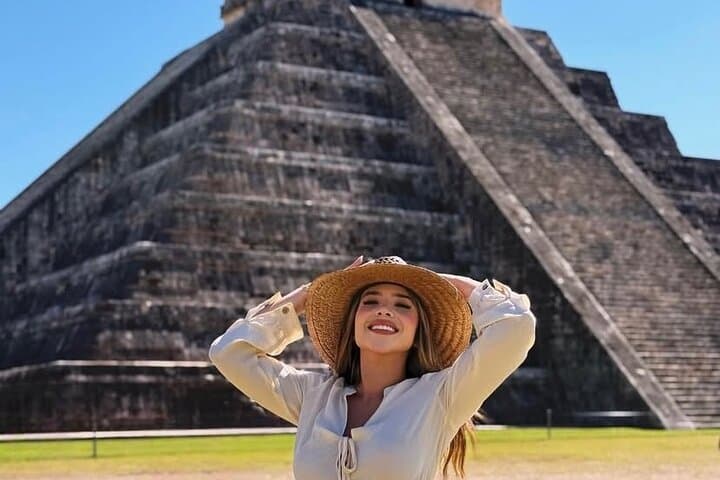
Climbing El Castillo is not permitted for conservation and safety; visitors can walk the plaza perimeter and photograph the pyramid from ground level.
Most cenotes in the itinerary offer simple changing areas and paid lockers; bring small cash for rental.
Children can participate but must be supervised—non-swimmers can still visit viewing platforms, though some cenote access requires basic swimming ability.
Chichén Itzá was a major Late Classic and Postclassic Maya center; cenotes were both water sources and ceremonial sites tied to Maya cosmology.
Cenote ecosystems are fragile—avoid soaps, use biodegradable products, and follow guide instructions to protect groundwater and rock formations.
Best Price Cancún Tours operates guided outdoor trips and adventures with an emphasis on safety, stewardship, and memorable experiences.
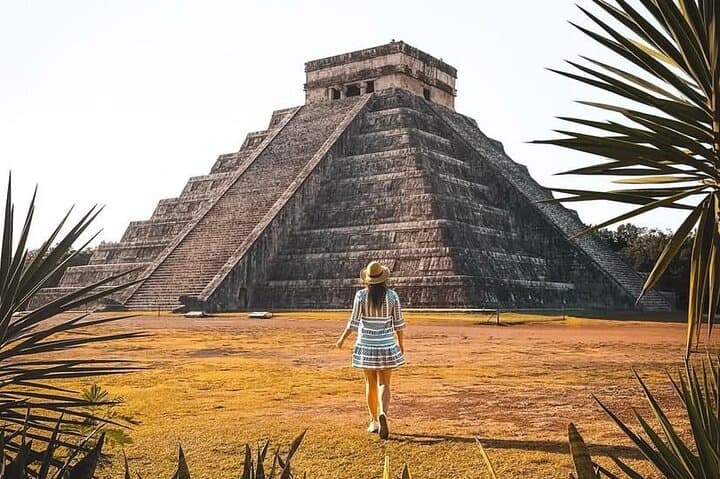
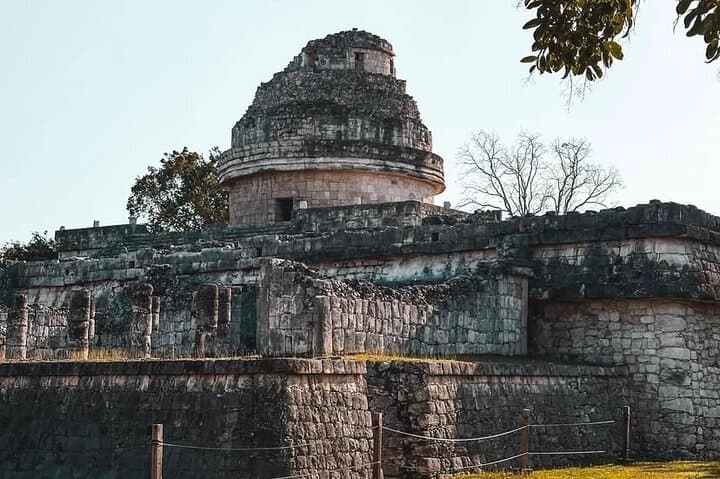
The bus leaves Cancun before dawn and the Maya lowlands unfold: flat limestone plains threaded with scrub and sleepy villages. By mid-morning the driver pulls into the wide clearing at Chichén Itzá—stone plazas and the stepped profile of El Castillo rising from the heat, while the jungle seems to press its fringe closer to the ruins.
The bus leaves Cancun before dawn and the Maya lowlands unfold: flat limestone plains threaded with scrub and sleepy villages. By mid-morning the driver pulls into the wide clearing at Chichén Itzá—stone plazas and the stepped profile of El Castillo rising from the heat, while the jungle seems to press its fringe closer to the ruins.
This route stitches together geological and cultural landmarks. The Yucatán sits on porous limestone; raincarved sinkholes expose the underground aquifer and create cenotes—open pools and cavernous shafts that were sources of water and ritual for the Maya. At Ik Kil you descend a carved stair and find a deep, circular pool rimmed with hanging vines; Hubikú offers a mix of open and semi-cavernous swim spots framed by jungle. Valladolid adds colonial color: pastel facades, the San Servacio church, and markets where cochinita pibil steams in pits.
Practical bits: the full-day tour runs roughly 12 hours with round-trip transport, about 3 hours at Chichén Itzá and one-hour stops at featured cenotes; bring biodegradable sunscreen, swimwear, cash for lockers and souvenirs, and a refillable bottle. Expect easy walking at archaeological sites, some steep steps into cenotes, and warm, humid conditions—light layers and water shoes pay off. Photography is excellent; climbing El Castillo is not permitted, so plan for ground-level views and guided interpretation. This itinerary blends history, geology, and refreshing swims—a compact way to sample the heart of the Yucatán in a single, active day.