THE ADVENTURE COLLECTIVE® · Independent discovery and booking for outdoor travel

Beat the heat and the crowds on an early-entry tour of Chichén Itzá, then cool off in a nearby cenote and explore Izamal’s yellow-clad streets. This full-day trip pairs archaeology, swimming, and regional cuisine for a compact Yucatán experience.
Beat the heat and the crowds on an early-entry tour of Chichén Itzá, then cool off in a nearby cenote and explore Izamal’s yellow-clad streets. This full-day trip pairs archaeology, swimming, and regional cuisine for a compact Yucatán experience.
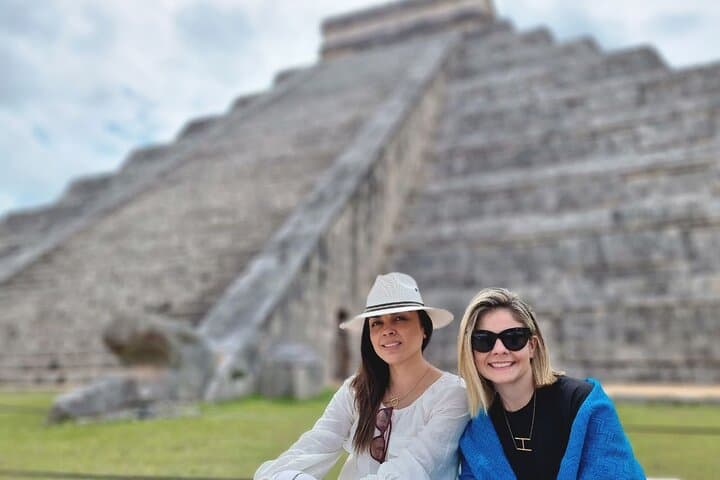
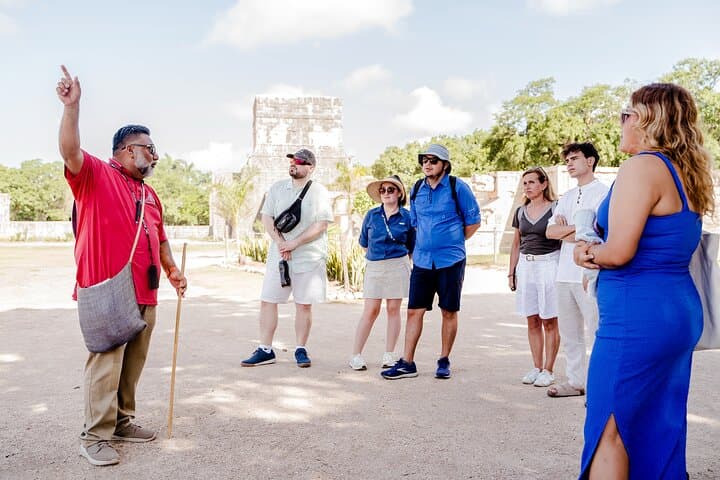
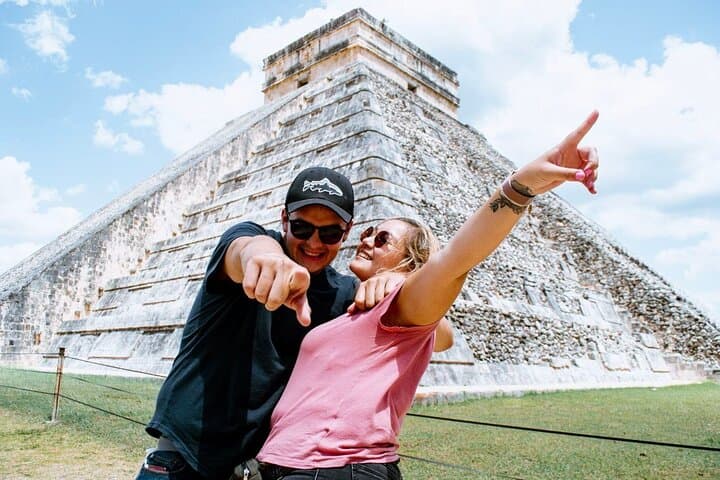
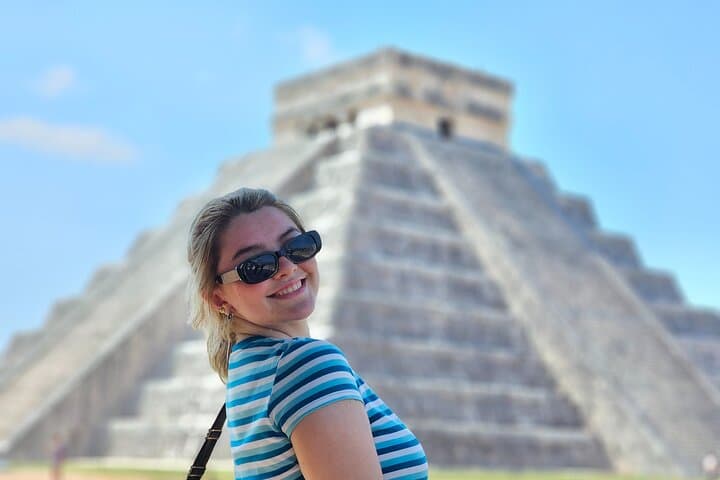
You arrive before sunrise, the bus easing off the highway as the pyramid’s outline sharpens against a pale sky. The plaza is cool and quiet; stone seems to hold its own breath. With early entry you’ll circle El Castillo when shadows still cut the steps, and hear a guide—often a Mayan descendant—trace the site’s astronomical logic and ritual life.
Verified experiences and guided adventures in the surrounding area.
Operated by Guías de Yucatán · Pisté, Yucatán
You arrive before sunrise, the bus easing off the highway as the pyramid’s outline sharpens against a pale sky. The plaza is cool and quiet; stone seems to hold its own breath. With early entry you’ll circle El Castillo when shadows still cut the steps, and hear a guide—often a Mayan descendant—trace the site’s astronomical logic and ritual life.
Chichén Itzá sits on a low limestone plain where cenotes puncture the karst, supplying water that made Maya cities possible. The architecture speaks of Late Classic and Terminal Classic synthesis: Puuc and Toltec influences, stelae that mark dynastic claims, and an acoustic design that turns a clap into a birdlike echo. Nearby Izamal is a town repainted in ochre yellow, built atop earlier pyramids including Kinich Kak Moo; its convent marks the colonial overlay on ancient ceremonial space.
Geology surfaces again at Xcajum cenote, whose dark pool receives light like a private sky. The water invites you—cool, buoyant, and clear enough to spot rooted ferns and darting fish. The day balances walking, swimming, and slow cultural immersion.
Practical guidance: bring cash for entrance fees and souvenirs, a refillable water bottle, sun protection, and swimwear under clothes for quick transitions. Expect an 11–12 hour day with two short guided segments at Chichén Itzá and a relaxed swim and buffet lunch at the cenote. Pace yourself: the early start avoids midday heat and gives the best photo light; modest footwear and respect for fragile ruins keep the visit sustainable.
easy.
11–12 hours.
Suitable for most fitness levels; involves walking on uneven stone and short climbs but no technical exertion
No; Chichén Itzá and the cenote fees are paid locally—have Mexican pesos ready (foreign and national tariffs differ).
Transportation and some facilities are wheelchair accessible, but terrain at archaeological sites includes uneven stone where full access may be limited.
Yes—about one hour of swimming time is scheduled, plus an hour for lunch at the cenote facility.
Pickup is typically at 6:00 am to allow early entry into Chichén Itzá, when temperatures are lower and crowds are minimal for better photos.
Chichén Itzá was a major regional center where Maya and Central Mexican influences merged; Izamal later became a colonial-era town built atop pre-Hispanic platforms.
Cenotes are fragile freshwater systems—use biodegradable sunscreen, avoid soaps, and follow local rules to minimize impact.
Guías de Yucatán operates guided outdoor trips and adventures with an emphasis on safety, stewardship, and memorable experiences.
You arrive before sunrise, the bus easing off the highway as the pyramid’s outline sharpens against a pale sky. The plaza is cool and quiet; stone seems to hold its own breath. With early entry you’ll circle El Castillo when shadows still cut the steps, and hear a guide—often a Mayan descendant—trace the site’s astronomical logic and ritual life.
You arrive before sunrise, the bus easing off the highway as the pyramid’s outline sharpens against a pale sky. The plaza is cool and quiet; stone seems to hold its own breath. With early entry you’ll circle El Castillo when shadows still cut the steps, and hear a guide—often a Mayan descendant—trace the site’s astronomical logic and ritual life.
Chichén Itzá sits on a low limestone plain where cenotes puncture the karst, supplying water that made Maya cities possible. The architecture speaks of Late Classic and Terminal Classic synthesis: Puuc and Toltec influences, stelae that mark dynastic claims, and an acoustic design that turns a clap into a birdlike echo. Nearby Izamal is a town repainted in ochre yellow, built atop earlier pyramids including Kinich Kak Moo; its convent marks the colonial overlay on ancient ceremonial space.
Geology surfaces again at Xcajum cenote, whose dark pool receives light like a private sky. The water invites you—cool, buoyant, and clear enough to spot rooted ferns and darting fish. The day balances walking, swimming, and slow cultural immersion.
Practical guidance: bring cash for entrance fees and souvenirs, a refillable water bottle, sun protection, and swimwear under clothes for quick transitions. Expect an 11–12 hour day with two short guided segments at Chichén Itzá and a relaxed swim and buffet lunch at the cenote. Pace yourself: the early start avoids midday heat and gives the best photo light; modest footwear and respect for fragile ruins keep the visit sustainable.