THE ADVENTURE COLLECTIVE® · Independent discovery and booking for outdoor travel

A full-day from Tulum that pairs a guided walk through Chichén Itzá with a refreshing cenote swim and free time in Valladolid. Practical tips on timing, fees, and what to pack help you make the most of the 12-hour excursion.
A full-day from Tulum that pairs a guided walk through Chichén Itzá with a refreshing cenote swim and free time in Valladolid. Practical tips on timing, fees, and what to pack help you make the most of the 12-hour excursion.
You step off the air-conditioned van into a wide limestone plaza where shadow and stone trade the day’s temperature. The Pyramid of Kukulkan rises with geometric calm, stairs aligned to the sun; a steady local guide runs through the astronomical logic as tourists fan out with cameras.
Verified experiences and guided adventures in the surrounding area.
Operated by Open Vacations · Chichen Itza, Yucatán
You step off the air-conditioned van into a wide limestone plaza where shadow and stone trade the day’s temperature. The Pyramid of Kukulkan rises with geometric calm, stairs aligned to the sun; a steady local guide runs through the astronomical logic as tourists fan out with cameras.
Chichén Itzá grew into a regional capital between the Classic and Postclassic Maya periods; its architecture records ritual, trade, and astronomical observation. The region’s geology—porous Yucatán limestone and underground rivers—creates cenotes: the caverns and sinkholes that supplied water and spiritual meaning to the Maya and now offer a cool, clear swim after the heat of the ruins.
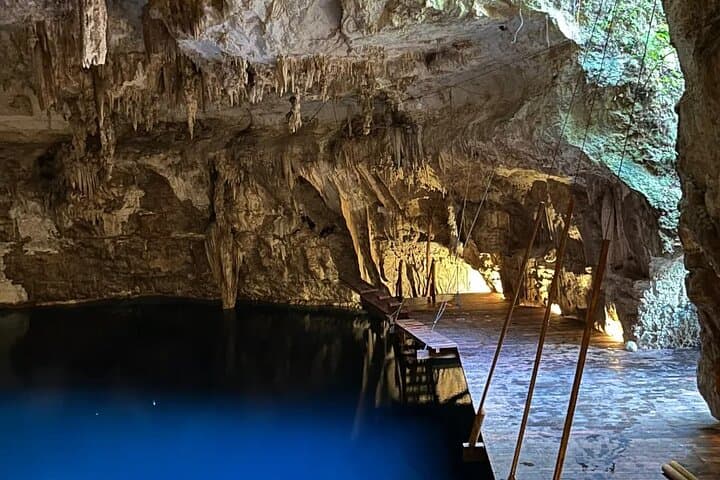
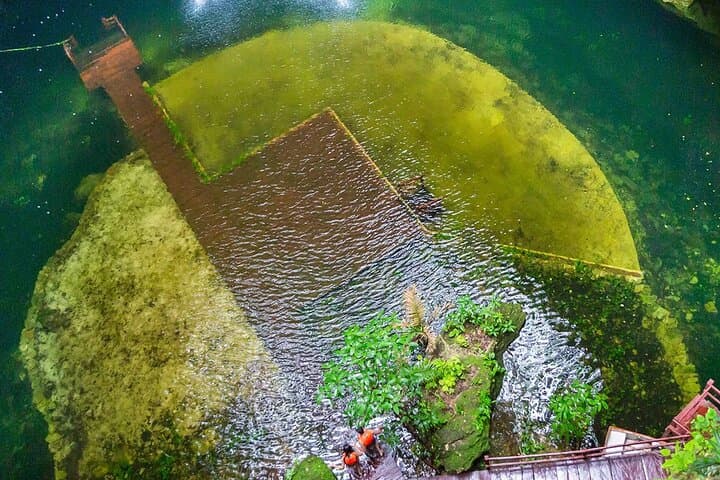
A short drive from the archaeological zone, Cenote Noolhá (or, if unavailable, Cenote Chichikan) provides a plunge into blue-green water ringed by limestone walls and jungle canopy; life vests are required and sunlight cuts columns through leaves onto the surface.
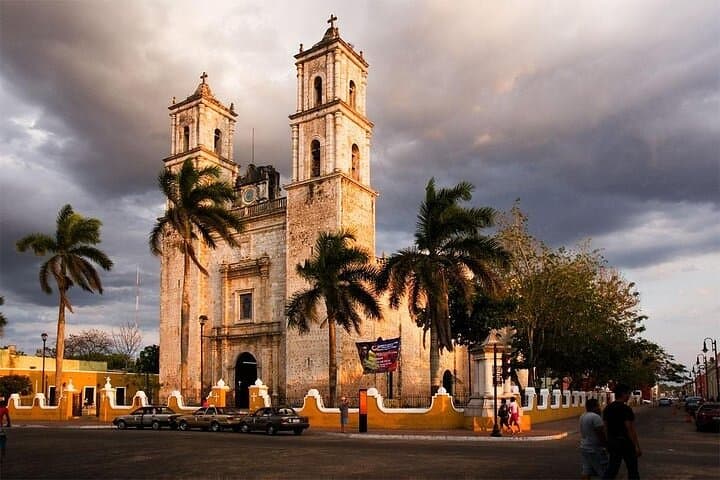
The tour finishes with time in Valladolid, a colonial town where pastel facades and the Convent of San Bernardino tell their own layered story. Practical notes: expect a long day (about 12 hours), bring swimwear, towel, hat, and biodegradable sunscreen, and budget the preservation tax (about USD 17) paid on-site. Climbing Kukulkan is prohibited; follow marked paths and the guide’s instructions.
Timing matters—early departures thin the crowds at the pyramid and make the cenote swim more pleasant. Hydrate, wear sturdy walking shoes for uneven stone, and save room for the included Mexican buffet in the itinerary.
easy.
12 hours.
Suitable for most fitness levels; expect prolonged standing and short walks on uneven ground. Not recommended for those with serious spinal or cardiovascular conditions.
Admission to Chichén Itzá is included in this tour, but the mandatory federal preservation tax (~USD 17) must be paid on arrival and is not included.
No—life vests are mandatory for the cenote swim, so basic swimming ability is sufficient and flotation is provided.
The meeting point is at the Super Aki Market in Tulum; there is no hotel or Airbnb pickup for this tour.
No—climbing Kukulkan and other main structures is prohibited to protect the site and its visitors; you may take photos from the allowed viewpoints.
Chichén Itzá was a major Maya center where architecture encodes astronomical cycles; the Kukulkan pyramid functions as a solar calendar during equinox events.
Visitors pay a preservation tax that supports site maintenance; follow trails, avoid touching carvings, and use biodegradable sunscreen to reduce impact on cenotes and aquatic life.
Open Vacations operates guided outdoor trips and adventures with an emphasis on safety, stewardship, and memorable experiences.
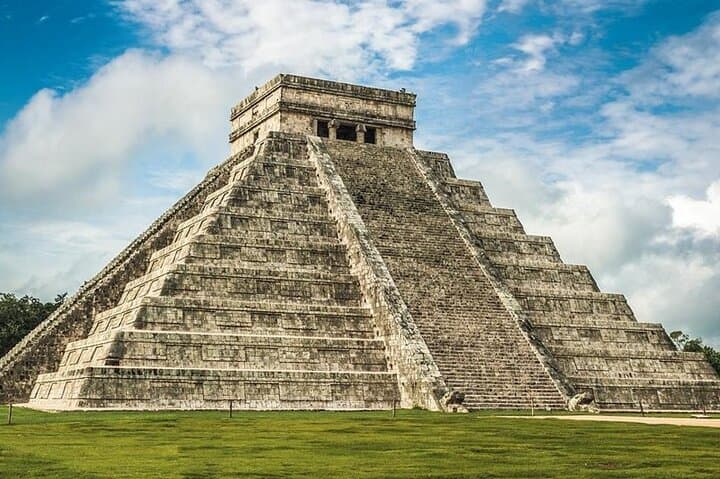
You step off the air-conditioned van into a wide limestone plaza where shadow and stone trade the day’s temperature. The Pyramid of Kukulkan rises with geometric calm, stairs aligned to the sun; a steady local guide runs through the astronomical logic as tourists fan out with cameras.
You step off the air-conditioned van into a wide limestone plaza where shadow and stone trade the day’s temperature. The Pyramid of Kukulkan rises with geometric calm, stairs aligned to the sun; a steady local guide runs through the astronomical logic as tourists fan out with cameras.
Chichén Itzá grew into a regional capital between the Classic and Postclassic Maya periods; its architecture records ritual, trade, and astronomical observation. The region’s geology—porous Yucatán limestone and underground rivers—creates cenotes: the caverns and sinkholes that supplied water and spiritual meaning to the Maya and now offer a cool, clear swim after the heat of the ruins.
A short drive from the archaeological zone, Cenote Noolhá (or, if unavailable, Cenote Chichikan) provides a plunge into blue-green water ringed by limestone walls and jungle canopy; life vests are required and sunlight cuts columns through leaves onto the surface.
The tour finishes with time in Valladolid, a colonial town where pastel facades and the Convent of San Bernardino tell their own layered story. Practical notes: expect a long day (about 12 hours), bring swimwear, towel, hat, and biodegradable sunscreen, and budget the preservation tax (about USD 17) paid on-site. Climbing Kukulkan is prohibited; follow marked paths and the guide’s instructions.
Timing matters—early departures thin the crowds at the pyramid and make the cenote swim more pleasant. Hydrate, wear sturdy walking shoes for uneven stone, and save room for the included Mexican buffet in the itinerary.