THE ADVENTURE COLLECTIVE® · Independent discovery and booking for outdoor travel

Spend a full day exploring Chichén Itzá’s iconic Kukulkan Pyramid, cool off in a jungle cenote, and stroll colonial Valladolid. This guided day trip pairs archaeological insight with a refreshing swim and local cuisine.
Spend a full day exploring Chichén Itzá’s iconic Kukulkan Pyramid, cool off in a jungle cenote, and stroll colonial Valladolid. This guided day trip pairs archaeological insight with a refreshing swim and local cuisine.
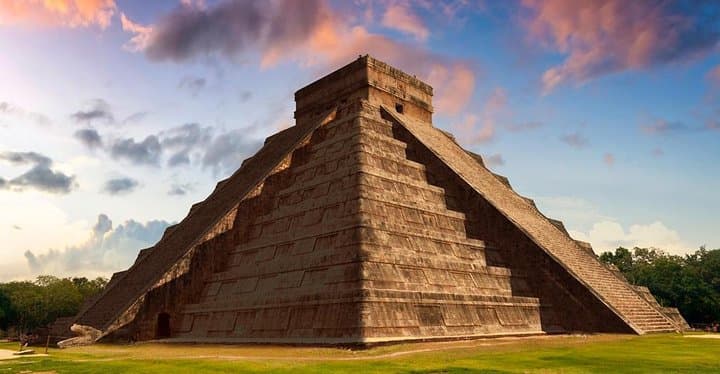
A pre-dawn coach eases away from Cancún and the highway opens into scrub and low limestone hills. By midmorning the Kukulkan Pyramid rises from the clearing — massive, geometric, and impatient with modern time — while the guide threads the architecture into stories of astronomy, warfare and ritual.
Verified experiences and guided adventures in the surrounding area.
Operated by Altustours · Pisté, Yucatán
A pre-dawn coach eases away from Cancún and the highway opens into scrub and low limestone hills. By midmorning the Kukulkan Pyramid rises from the clearing — massive, geometric, and impatient with modern time — while the guide threads the architecture into stories of astronomy, warfare and ritual.
Chichén Itzá was a regional power from about AD 600–900; its stonework sits on Yucatán’s porous limestone, where groundwater carved cavernous passages that later collapsed into cenotes. The site’s Temple of Kukulkan aligns with equinox shadows, and the nearby Great Ball Court records a sport that mixed ceremony with politics. After the guided hour, the tour shuffles to a cenote — Noolhá or, if unavailable, Chichikan — where sunlight sifts through jungle and the water feels cool against sun-baked skin.
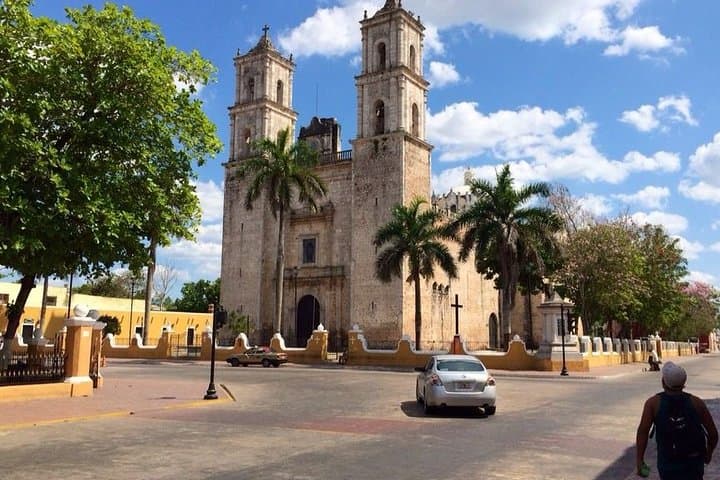
A short stop in Valladolid lets visitors trade postcards for hand-made hammocks and taste Yucatecan cochinita pibil or limey relleno negro in a brisk plaza setting.
Practical guidance: plan for a long day (expect 10–12 hours). Bring a swimsuit, towel and biodegradable sunscreen; life vests are required at the cenote. Entry and conservation fees are usually extra — carry cash. Wear closed-toe walking shoes for uneven archaeological paths and flat limestone; bring a wide-brim hat and at least 1.5 liters of water. If visiting around the March equinox, expect larger crowds to watch the shadow serpent; in the rainy season, mornings are cooler and afternoons brief but intense storms can appear. The tour is low-impact physically but high on sun exposure and walking; keep valuables secure and follow site rules: no climbing and respect protected areas to help preserve the ruins and fragile cenote ecosystems.
easy.
10–12 hours.
Suitable for most fitness levels; requires walking on uneven ancient stone, short stair sections, and standing during the guided talk.
The guided visit typically covers time on-site but preservation/entrance taxes (paid locally) are not always included—bring cash in pesos.
Yes; the tour includes a swim at Cenote Noolhá or Cenote Chichikan and life vests are mandatory; follow staff instructions for safety.
Expect a full day of roughly 10–12 hours with round-trip hotel pickup from Cancún on most departures as stated in the booking details.
Chichén Itzá has uneven surfaces and some steps; travelers with serious mobility or spinal concerns should consult the operator—this tour notes restrictions for certain health conditions.
Chichén Itzá was a major Lowland Maya center; its architecture reflects astronomical knowledge, trade networks, and ritual practice from the Classic to Postclassic periods.
Visitors fund conservation through local fees—use biodegradable sunscreen, avoid touching carvings, and follow signage to minimize erosion and protect cenote water quality.
Altustours operates guided outdoor trips and adventures with an emphasis on safety, stewardship, and memorable experiences.


A pre-dawn coach eases away from Cancún and the highway opens into scrub and low limestone hills. By midmorning the Kukulkan Pyramid rises from the clearing — massive, geometric, and impatient with modern time — while the guide threads the architecture into stories of astronomy, warfare and ritual.
A pre-dawn coach eases away from Cancún and the highway opens into scrub and low limestone hills. By midmorning the Kukulkan Pyramid rises from the clearing — massive, geometric, and impatient with modern time — while the guide threads the architecture into stories of astronomy, warfare and ritual.
Chichén Itzá was a regional power from about AD 600–900; its stonework sits on Yucatán’s porous limestone, where groundwater carved cavernous passages that later collapsed into cenotes. The site’s Temple of Kukulkan aligns with equinox shadows, and the nearby Great Ball Court records a sport that mixed ceremony with politics. After the guided hour, the tour shuffles to a cenote — Noolhá or, if unavailable, Chichikan — where sunlight sifts through jungle and the water feels cool against sun-baked skin.
A short stop in Valladolid lets visitors trade postcards for hand-made hammocks and taste Yucatecan cochinita pibil or limey relleno negro in a brisk plaza setting.
Practical guidance: plan for a long day (expect 10–12 hours). Bring a swimsuit, towel and biodegradable sunscreen; life vests are required at the cenote. Entry and conservation fees are usually extra — carry cash. Wear closed-toe walking shoes for uneven archaeological paths and flat limestone; bring a wide-brim hat and at least 1.5 liters of water. If visiting around the March equinox, expect larger crowds to watch the shadow serpent; in the rainy season, mornings are cooler and afternoons brief but intense storms can appear. The tour is low-impact physically but high on sun exposure and walking; keep valuables secure and follow site rules: no climbing and respect protected areas to help preserve the ruins and fragile cenote ecosystems.