THE ADVENTURE COLLECTIVE® · Independent discovery and booking for outdoor travel

Experience Chichén Itzá’s iconic pyramid, a regional lunch of Yucatecan flavors, a refreshing swim in Cenote Nool-Ha, and a quick stroll through colonial Valladolid — all in one well-paced day from the Riviera Maya.
Experience Chichén Itzá’s iconic pyramid, a regional lunch of Yucatecan flavors, a refreshing swim in Cenote Nool-Ha, and a quick stroll through colonial Valladolid — all in one well-paced day from the Riviera Maya.
Dawn on the Yucatán highway unfurls heat and limestone dust as the coach slides away from Playa del Carmen. By midmorning the stones of Chichén Itzá rise from scrub and scrubby forest, El Castillo casting a precise shadow that still echoes the Maya calendar's rhythms. Walking the wide causeways, visitors pass columns that once echoed ceremonial footsteps and peer into the Sacred Cenote where reflections hold centuries of ritual.
Verified experiences and guided adventures in the surrounding area.
Operated by Cancun Vacation Experts · Valladolid, Yucatán
Dawn on the Yucatán highway unfurls heat and limestone dust as the coach slides away from Playa del Carmen. By midmorning the stones of Chichén Itzá rise from scrub and scrubby forest, El Castillo casting a precise shadow that still echoes the Maya calendar's rhythms. Walking the wide causeways, visitors pass columns that once echoed ceremonial footsteps and peer into the Sacred Cenote where reflections hold centuries of ritual.
The site is a lesson in geology as much as history: exposed Cenozoic limestones, sinkhole-fed cenotes and dry tropical forest shaped ancient settlement patterns. The Maya used the landscape as calendar and quarry, carving bas-reliefs at the Temple of the Warriors and aligning the Observatory for solstices.
After the ruins, the tour moves into living culture — a buffet in Kaua showcases cochinita pibil and regional techniques, while a nearby artisan workshop keeps hand-carved stonework alive. The day cools at Cenote Nool-Ha, where freshwater plunges through collapsed limestone and the jungle seems to lean in, daring you to swim.
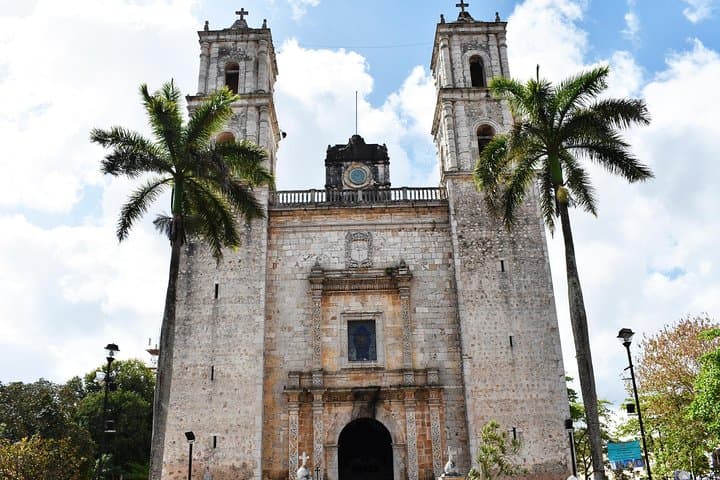
Practical note: it’s a long, full-day itinerary (about 12 hours) with moderate walking on packed earth and stone; expect sun exposure and sudden cloudbursts in the rainy season. Bring biodegradable sunscreen for the cenote, comfortable shoes, a swimsuit and a change of clothes. Aim to visit early in the site's opening hours to avoid midday crowds and heat. The route through Valladolid offers a short colonial interlude — a quick taste of local markets and colorful facades before the return trip to the Riviera Maya.
easy.
12 hours.
Good for most travelers who can handle a full day of walking and standing; minimal climbs involved.
Many full-day excursions bundle park entry and cenote access into the price; check your booking confirmation for what is covered for your specific tour.
Travel time is roughly 2–2.5 hours each way from central Riviera Maya/Playa del Carmen, depending on traffic and pickup points.
Yes—walking is moderate and the tour is described as suitable for all fitness levels, but be prepared for long days and sun exposure; there are options to sit and shorter walking loops at the site.
Photography is allowed at Chichén Itzá; some areas may restrict tripods or commercial gear. Bring waterproof protection for devices if you plan to be near the cenote.
Chichén Itzá was a major Maya urban center (c. 600–1200 CE) famous for astronomical architecture like El Castillo, whose design encodes calendrical cycles.
Visitor numbers impact fragile cenote water quality and archaeological preservation; stick to marked paths, avoid non-biodegradable sunscreens, and follow guide instructions to reduce wear.
Cancun Vacation Experts operates guided outdoor trips and adventures with an emphasis on safety, stewardship, and memorable experiences.
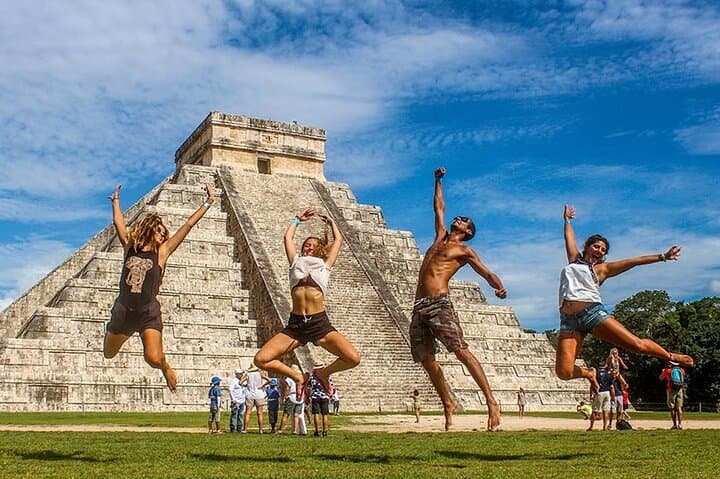
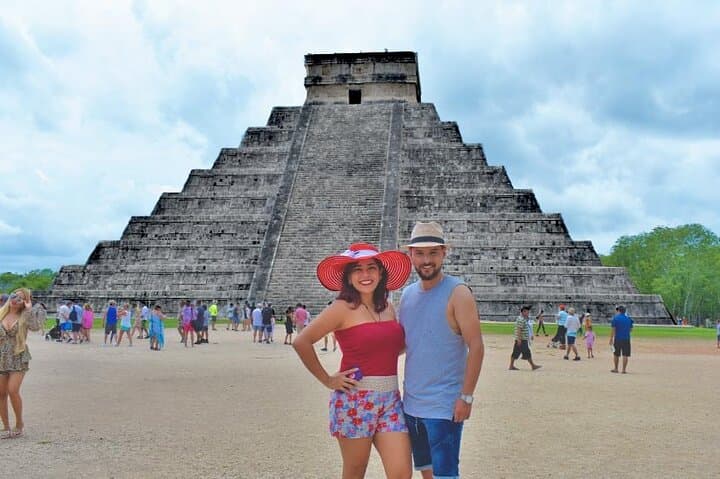
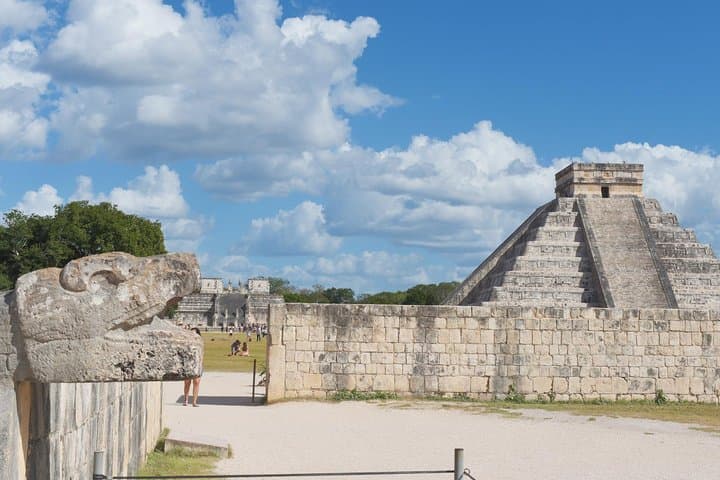
Dawn on the Yucatán highway unfurls heat and limestone dust as the coach slides away from Playa del Carmen. By midmorning the stones of Chichén Itzá rise from scrub and scrubby forest, El Castillo casting a precise shadow that still echoes the Maya calendar's rhythms. Walking the wide causeways, visitors pass columns that once echoed ceremonial footsteps and peer into the Sacred Cenote where reflections hold centuries of ritual.
Dawn on the Yucatán highway unfurls heat and limestone dust as the coach slides away from Playa del Carmen. By midmorning the stones of Chichén Itzá rise from scrub and scrubby forest, El Castillo casting a precise shadow that still echoes the Maya calendar's rhythms. Walking the wide causeways, visitors pass columns that once echoed ceremonial footsteps and peer into the Sacred Cenote where reflections hold centuries of ritual.
The site is a lesson in geology as much as history: exposed Cenozoic limestones, sinkhole-fed cenotes and dry tropical forest shaped ancient settlement patterns. The Maya used the landscape as calendar and quarry, carving bas-reliefs at the Temple of the Warriors and aligning the Observatory for solstices.
After the ruins, the tour moves into living culture — a buffet in Kaua showcases cochinita pibil and regional techniques, while a nearby artisan workshop keeps hand-carved stonework alive. The day cools at Cenote Nool-Ha, where freshwater plunges through collapsed limestone and the jungle seems to lean in, daring you to swim.
Practical note: it’s a long, full-day itinerary (about 12 hours) with moderate walking on packed earth and stone; expect sun exposure and sudden cloudbursts in the rainy season. Bring biodegradable sunscreen for the cenote, comfortable shoes, a swimsuit and a change of clothes. Aim to visit early in the site's opening hours to avoid midday crowds and heat. The route through Valladolid offers a short colonial interlude — a quick taste of local markets and colorful facades before the return trip to the Riviera Maya.