THE ADVENTURE COLLECTIVE® · Independent discovery and booking for outdoor travel

Experience Chichén Itzá’s Kukulkán pyramid and a refreshing cenote on a full-day trip from Tulum. This guided tour pairs archaeological insight with a swim in a spring-fed cenote and a brief stop in colonial Valladolid.
Experience Chichén Itzá’s Kukulkán pyramid and a refreshing cenote on a full-day trip from Tulum. This guided tour pairs archaeological insight with a swim in a spring-fed cenote and a brief stop in colonial Valladolid.
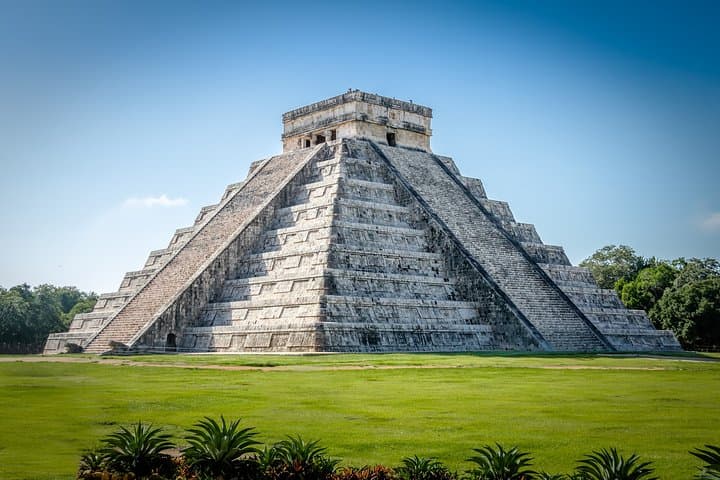
You arrive before the crowds; the Pyramid of Kukulkán looms, stone steps casting sharp shadows as the morning sun slices across its faces. The plaza hums with history—echoes in the ball court, carved columns that still hold stories—while the wind moves through the low scrub and the ground seems to remember the footfalls of generations.
Verified experiences and guided adventures in the surrounding area.
Operated by Promo vacations Tours · Chichén Itzá, Yucatán
You arrive before the crowds; the Pyramid of Kukulkán looms, stone steps casting sharp shadows as the morning sun slices across its faces. The plaza hums with history—echoes in the ball court, carved columns that still hold stories—while the wind moves through the low scrub and the ground seems to remember the footfalls of generations.
Chichén Itzá rose to prominence during the Terminal Classic period (roughly 800–1000 CE) and functions as both ceremonial center and astronomical observatory. The pyramid aligns to solar events; at equinoxes, light and shadow conspire to form the serpent that appears to slither down the stairway. Geologically the site sits on porous limestone of the Yucatán platform; that bedrock feeds the region’s cenotes—collapsed sinkholes that expose the aquifer below.
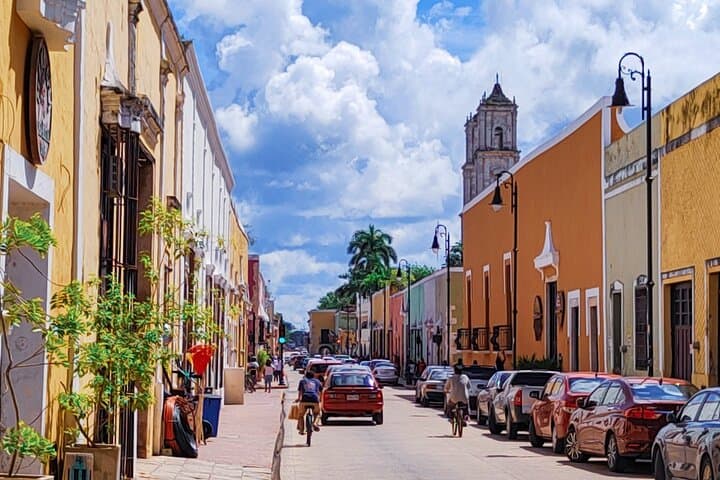
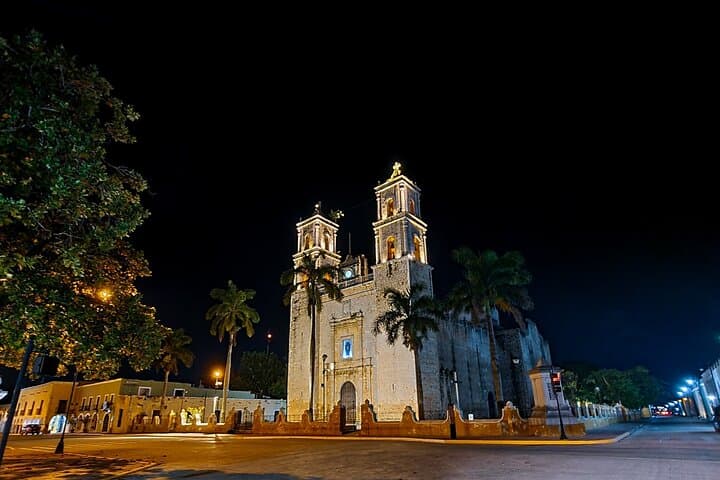
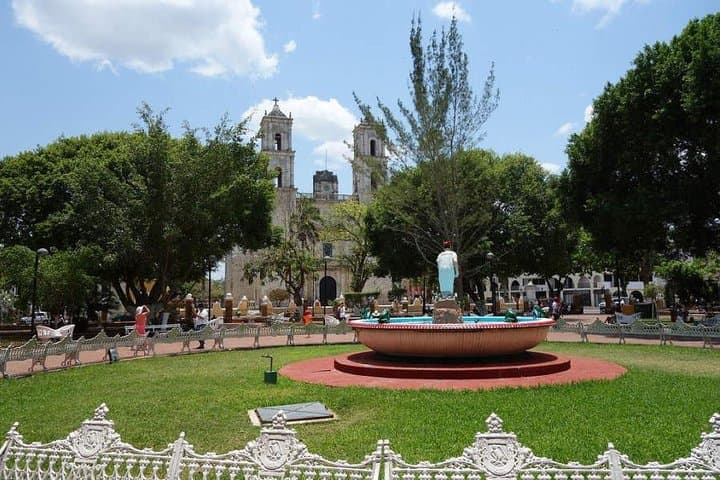
After the guided archaeological walk (about 2 hours), you'll cool off in a nearby cenote—either Chichikán or Nool Há—where clear, spring-fed water invites a swim and the roots overhead dangle like natural chandeliers. The day often finishes with a regional buffet and a short stop in Valladolid, whose colonial square and San Servacio church give a human-scale counterpoint to the monumentality of the ruins.
Practical notes: expect a long day—typically 10–11 hours but transfers can extend the trip—preservation taxes apply (about USD 22 adults, 19 children), and the operator provides round-trip transport from Tulum. Bring sun protection, cash for small fees and souvenirs, swimwear and a towel, comfortable walking shoes, and a sense of patience for shared-bus logistics.
easy.
10–11 hours.
Suitable for people with average fitness; involves walking on uneven stone and short periods of standing during the guided tour.
Most departures return in about 10–11 hours, but traffic and logistics can extend the day—some transfers have been known to push the schedule toward 12–14 hours.
Yes—admission to Chichén Itzá and the cenote is included, along with a regional buffet lunch; beverages at the restaurant are typically not included.
The tour includes access to one cenote—either Chichikán or Nool Há—selected based on availability and day-of logistics, not both.
The operator notes the tour is suitable for typical fitness levels but not recommended for pregnant travelers or those with serious heart or spinal conditions; check health advisories before booking.
Chichén Itzá became a major regional center by the Terminal Classic; its architecture encodes astronomical observations and Maya cosmology.
Visitors pay preservation fees that fund site maintenance; avoid applying non-biodegradable sunscreen before entering cenotes and follow local guidelines to protect fragile limestone and aquifers.
Promo vacations Tours operates guided outdoor trips and adventures with an emphasis on safety, stewardship, and memorable experiences.
You arrive before the crowds; the Pyramid of Kukulkán looms, stone steps casting sharp shadows as the morning sun slices across its faces. The plaza hums with history—echoes in the ball court, carved columns that still hold stories—while the wind moves through the low scrub and the ground seems to remember the footfalls of generations.
You arrive before the crowds; the Pyramid of Kukulkán looms, stone steps casting sharp shadows as the morning sun slices across its faces. The plaza hums with history—echoes in the ball court, carved columns that still hold stories—while the wind moves through the low scrub and the ground seems to remember the footfalls of generations.
Chichén Itzá rose to prominence during the Terminal Classic period (roughly 800–1000 CE) and functions as both ceremonial center and astronomical observatory. The pyramid aligns to solar events; at equinoxes, light and shadow conspire to form the serpent that appears to slither down the stairway. Geologically the site sits on porous limestone of the Yucatán platform; that bedrock feeds the region’s cenotes—collapsed sinkholes that expose the aquifer below.
After the guided archaeological walk (about 2 hours), you'll cool off in a nearby cenote—either Chichikán or Nool Há—where clear, spring-fed water invites a swim and the roots overhead dangle like natural chandeliers. The day often finishes with a regional buffet and a short stop in Valladolid, whose colonial square and San Servacio church give a human-scale counterpoint to the monumentality of the ruins.
Practical notes: expect a long day—typically 10–11 hours but transfers can extend the trip—preservation taxes apply (about USD 22 adults, 19 children), and the operator provides round-trip transport from Tulum. Bring sun protection, cash for small fees and souvenirs, swimwear and a towel, comfortable walking shoes, and a sense of patience for shared-bus logistics.