THE ADVENTURE COLLECTIVE® · Independent discovery and booking for outdoor travel

A full-day, guided visit to Chichén Itzá from Tulum paired with a swim in a nearby cenote and free time in colonial Valladolid. Learn Maya history, refresh in underground waters, and return the same day.
A full-day, guided visit to Chichén Itzá from Tulum paired with a swim in a nearby cenote and free time in colonial Valladolid. Learn Maya history, refresh in underground waters, and return the same day.
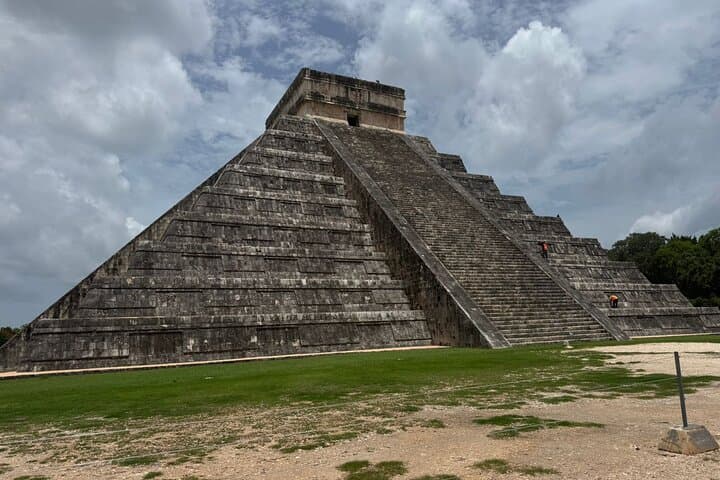
Stepping off the shuttle at Chichén Itzá, the Kukulkan Pyramid rises like an engineered challenge — stone steps catching sun and shadow, the plaza opening to the slow movement of tourists and wind. Your guide walks the network of plazas and temples while the Sacred Cenote waits beyond the ruins, and deeper in the jungle a limestone sinkhole keeps its cool, inviting a post-ruins swim.
Verified experiences and guided adventures in the surrounding area.
Operated by Cancun City Tour · Piste, Yucatán
Stepping off the shuttle at Chichén Itzá, the Kukulkan Pyramid rises like an engineered challenge — stone steps catching sun and shadow, the plaza opening to the slow movement of tourists and wind. Your guide walks the network of plazas and temples while the Sacred Cenote waits beyond the ruins, and deeper in the jungle a limestone sinkhole keeps its cool, inviting a post-ruins swim.
Chichén Itzá was a major Maya urban center between the 7th and 10th centuries; its architecture encodes astronomy and ritual practice. The Kukulkan Pyramid lines up with solar events to cast a serpent shadow at equinoxes, and the Sacred Cenote was used historically for offerings. Geologically the region is porous karst limestone — cenotes are collapsed caverns fed by an underground aquifer, their clear water fragile and low in nutrients.
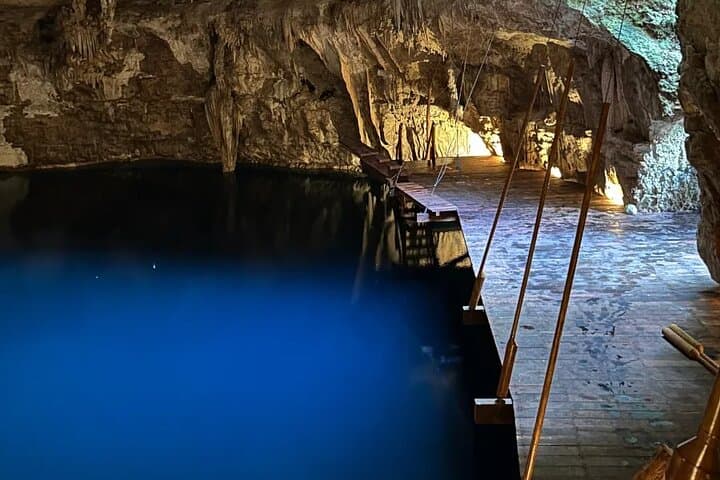
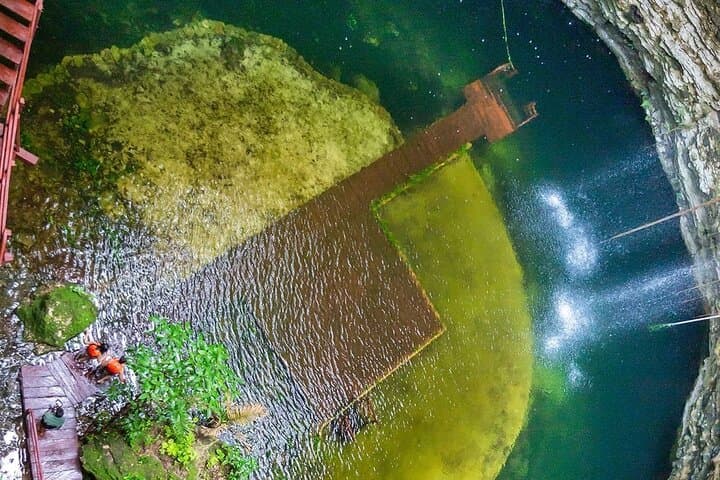
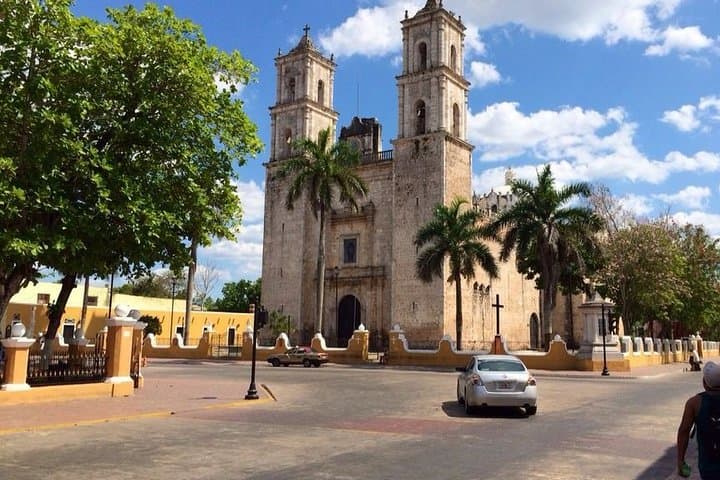
The day pairs an organized, bilingual guided visit (roughly 2 hours of guided interpretation plus time to explore) with a swim at Cenote Noolhá or the similar Cenote Chichikan, then a short pause in colonial Valladolid. Expect flat walking, packed earth and stone, and humid, sun-prone conditions.
Practical edge: bring cash for the mandatory preservation tax (usually not included), wear closed-toe walking shoes for uneven surfaces, reef-safe sunscreen for the cenote, and a lightweight change of clothes. Start early when possible to avoid the heat and the largest crowds. If you have heart or spinal issues, or are pregnant, this full-day itinerary is not recommended.
easy.
12 hours.
Suitable for most fitness levels; be prepared to walk 1–3 miles on flat but uneven terrain and climb short stair sections.
Yes — the guided portion and entrance to the archaeological site are included, but the local preservation tax is commonly not included.
No — swimming is optional, though life vests are typically mandatory for safety; non-swimmers can stay at the rim or explore nearby shaded areas.
The tour meets at Super Aki Market in Tulum City; there is no hotel pick-up specified so plan to arrive on time.
Yes, but children must be accompanied by an adult and follow safety rules at cenotes and archaeological areas.
Chichén Itzá grew into a major Maya city known for its astronomical architecture; the Kukulkan Pyramid aligns with solar events and the Sacred Cenote contains archaeological offerings.
Cenotes host sensitive aquatic ecosystems — avoid soaps or lotions before swimming and follow local guidelines; the preservation tax helps fund site maintenance and protection.
Cancun City Tour operates guided outdoor trips and adventures with an emphasis on safety, stewardship, and memorable experiences.
Stepping off the shuttle at Chichén Itzá, the Kukulkan Pyramid rises like an engineered challenge — stone steps catching sun and shadow, the plaza opening to the slow movement of tourists and wind. Your guide walks the network of plazas and temples while the Sacred Cenote waits beyond the ruins, and deeper in the jungle a limestone sinkhole keeps its cool, inviting a post-ruins swim.
Stepping off the shuttle at Chichén Itzá, the Kukulkan Pyramid rises like an engineered challenge — stone steps catching sun and shadow, the plaza opening to the slow movement of tourists and wind. Your guide walks the network of plazas and temples while the Sacred Cenote waits beyond the ruins, and deeper in the jungle a limestone sinkhole keeps its cool, inviting a post-ruins swim.
Chichén Itzá was a major Maya urban center between the 7th and 10th centuries; its architecture encodes astronomy and ritual practice. The Kukulkan Pyramid lines up with solar events to cast a serpent shadow at equinoxes, and the Sacred Cenote was used historically for offerings. Geologically the region is porous karst limestone — cenotes are collapsed caverns fed by an underground aquifer, their clear water fragile and low in nutrients.
The day pairs an organized, bilingual guided visit (roughly 2 hours of guided interpretation plus time to explore) with a swim at Cenote Noolhá or the similar Cenote Chichikan, then a short pause in colonial Valladolid. Expect flat walking, packed earth and stone, and humid, sun-prone conditions.
Practical edge: bring cash for the mandatory preservation tax (usually not included), wear closed-toe walking shoes for uneven surfaces, reef-safe sunscreen for the cenote, and a lightweight change of clothes. Start early when possible to avoid the heat and the largest crowds. If you have heart or spinal issues, or are pregnant, this full-day itinerary is not recommended.