THE ADVENTURE COLLECTIVE® · Independent discovery and booking for outdoor travel

A full-day excursion from Playa del Carmen that pairs a guided visit to Chichén Itzá with swims in Cenote Ik Kil and Hubiku and free time in Valladolid. Expect a long but rewarding 12-hour day—history, geology and cool freshwater caverns.
A full-day excursion from Playa del Carmen that pairs a guided visit to Chichén Itzá with swims in Cenote Ik Kil and Hubiku and free time in Valladolid. Expect a long but rewarding 12-hour day—history, geology and cool freshwater caverns.
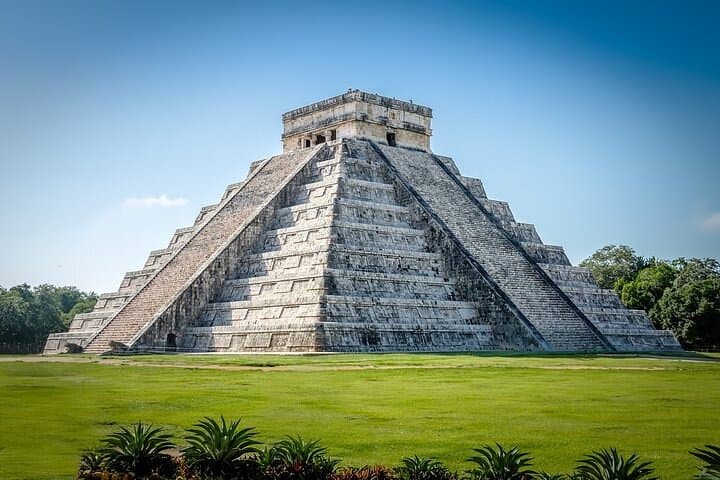
The day begins before sunrise on the Riviera Maya highway, the tour bus cutting through flat limestone plains as the jungle wakes. By midmorning you stand at the base of El Castillo: stone steps rise like a calendar carved in shadow, the pyramid’s angles exact enough to make the wind feel measured.
Verified experiences and guided adventures in the surrounding area.
Operated by Only Vacations & Tours · Chichén Itzá, Yucatán
The day begins before sunrise on the Riviera Maya highway, the tour bus cutting through flat limestone plains as the jungle wakes. By midmorning you stand at the base of El Castillo: stone steps rise like a calendar carved in shadow, the pyramid’s angles exact enough to make the wind feel measured.
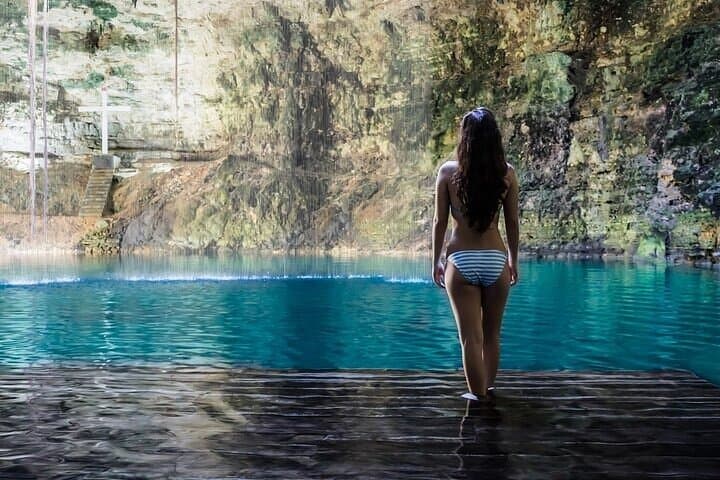
Chichén Itzá sits on the Yucatán’s karst platform, a low-elevation plain where cenotes form where the limestone roof collapsed and groundwater meets the sky. The site was a major Maya ceremonial center between the Classic and Postclassic eras; here, astronomy, politics and ritual meet in the Temple of Kukulcán and the nearby ball court. After a guided walk and free time for photos, the route heads to two very different cenotes—Ik Kil, an open sinkhole ringed with vines and ladders, and Hubiku, a deeper shaft lit by a single sunbeam. Both offer cool water that feels like a reset for sun-heated skin and a reminder that these wells were sacred to the Maya.
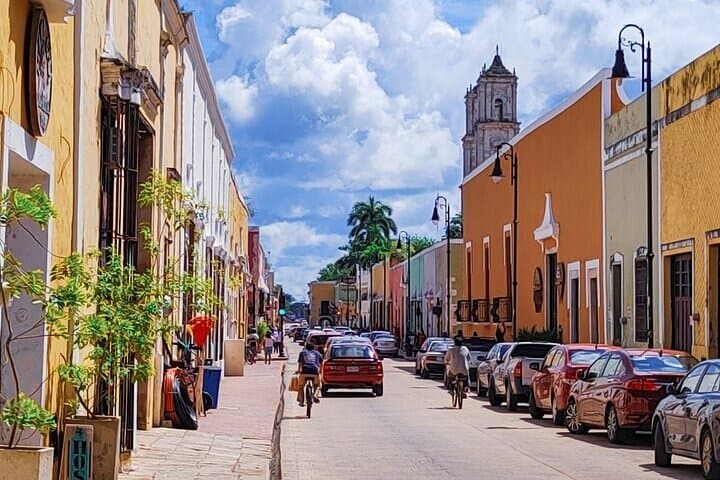
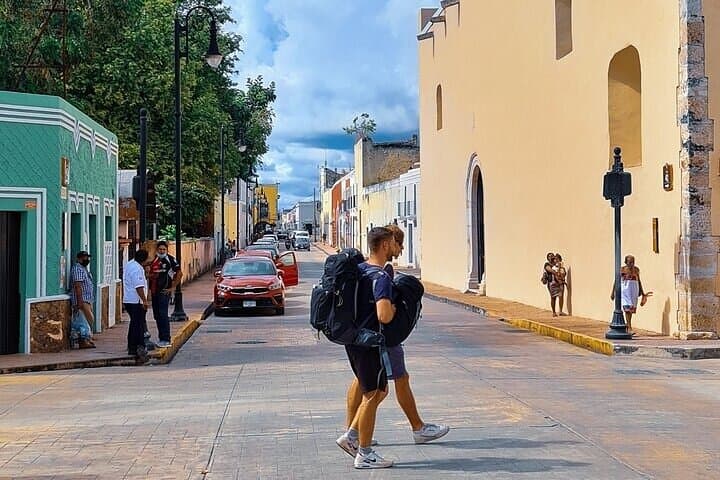
The final stop is Valladolid, a colonial town whose pastel streets and San Servacio church reflect Spanish-era history and modern Maya life. Practical notes: the round-trip drive from Playa del Carmen is long (roughly 2–3 hours each way), expect a 12-hour day, bring biodegradable sunscreen, cash for crafts and life-jacket rental, and comfortable shoes for uneven ground. Timing your visit for early arrival at Chichén Itzá reduces crowds and gives the cenotes a quieter, fresher feel.
moderate.
12 hours.
Light to moderate fitness: you should be comfortable walking on uneven ground and climbing stairs; long bus time requires basic stamina.
Yes—both Ik Kil and Hubiku allow swimming; life jackets are mandatory and may be rented if you don't have one.
Expect roughly 2–3 hours each way depending on traffic; the full experience is a 12-hour day including stops.
A regional buffet and one beverage on the bus are included; bring small snacks if you have dietary needs and cash for extras.
The archaeological site has uneven terrain and stone steps; some areas are difficult to access—check with the operator for specific assistance options.
Chichén Itzá rose to prominence as a Maya political and religious center; the site’s architecture encodes astronomical and calendrical knowledge.
Cenotes are fragile freshwater systems—avoid sunscreens and soaps, use biodegradable products, and follow life-jacket rules to reduce impact.
Only Vacations & Tours operates guided outdoor trips and adventures with an emphasis on safety, stewardship, and memorable experiences.
The day begins before sunrise on the Riviera Maya highway, the tour bus cutting through flat limestone plains as the jungle wakes. By midmorning you stand at the base of El Castillo: stone steps rise like a calendar carved in shadow, the pyramid’s angles exact enough to make the wind feel measured.
The day begins before sunrise on the Riviera Maya highway, the tour bus cutting through flat limestone plains as the jungle wakes. By midmorning you stand at the base of El Castillo: stone steps rise like a calendar carved in shadow, the pyramid’s angles exact enough to make the wind feel measured.
Chichén Itzá sits on the Yucatán’s karst platform, a low-elevation plain where cenotes form where the limestone roof collapsed and groundwater meets the sky. The site was a major Maya ceremonial center between the Classic and Postclassic eras; here, astronomy, politics and ritual meet in the Temple of Kukulcán and the nearby ball court. After a guided walk and free time for photos, the route heads to two very different cenotes—Ik Kil, an open sinkhole ringed with vines and ladders, and Hubiku, a deeper shaft lit by a single sunbeam. Both offer cool water that feels like a reset for sun-heated skin and a reminder that these wells were sacred to the Maya.
The final stop is Valladolid, a colonial town whose pastel streets and San Servacio church reflect Spanish-era history and modern Maya life. Practical notes: the round-trip drive from Playa del Carmen is long (roughly 2–3 hours each way), expect a 12-hour day, bring biodegradable sunscreen, cash for crafts and life-jacket rental, and comfortable shoes for uneven ground. Timing your visit for early arrival at Chichén Itzá reduces crowds and gives the cenotes a quieter, fresher feel.