THE ADVENTURE COLLECTIVE® · Independent discovery and booking for outdoor travel

Take a full-day excursion from Cancun or the Riviera Maya to explore Chichén Itzá’s monumental pyramids, swim in Cenote Xcajum, and visit the colonial town of Valladolid. This guided tour blends archaeology, geology, and local culture in one long, active day.
Take a full-day excursion from Cancun or the Riviera Maya to explore Chichén Itzá’s monumental pyramids, swim in Cenote Xcajum, and visit the colonial town of Valladolid. This guided tour blends archaeology, geology, and local culture in one long, active day.
You arrive before the heat tightens, the bus easing off the highway and a stone city unfolding against blue Yucatán sky. A guide points toward El Castillo rising in precise steps; the pyramid seems to change angle as you walk around it, a built calendar waiting for the equinox. Nearby, shaded trails lead to carved stelae and quiet courtyards where the wind plays through dry grass.
Verified experiences and guided adventures in the surrounding area.
Operated by WISEST TRAVEL · Chichen Itza, Yucatán
You arrive before the heat tightens, the bus easing off the highway and a stone city unfolding against blue Yucatán sky. A guide points toward El Castillo rising in precise steps; the pyramid seems to change angle as you walk around it, a built calendar waiting for the equinox. Nearby, shaded trails lead to carved stelae and quiet courtyards where the wind plays through dry grass.
Chichén Itzá was a major regional capital of the Postclassic Maya (roughly AD 700–1100). Its architecture blends local Maya styles with influences from central Mexico, producing astronomical alignments and acoustic quirks—like the echo that imitates a quetzal call when you clap beneath the northern platform. Geologically, the site sits on Yucatán’s porous limestone; cenotes are sinkholes where groundwater gathers and provided life to ancient cities.
The tour typically pairs the site visit with a swim in Cenote Xcajum and a stop in Valladolid, a living colonial town with colorful facades and strong local traditions. Guides often include a Mayan purification ceremony and a regional buffet to round out the cultural picture.
Practicalities: expect a long day—roughly 12 hours with hotel pickup from Cancun or the Riviera Maya. Bring sun protection, comfortable walking shoes, and a refillable water bottle; the site has uneven stone and minimal shade. If you plan to swim, use biodegradable sunscreen or rinse before entering the cenote. Respect posted rules: climbing monuments is prohibited and photography restrictions may apply. Early starts and a lightweight daypack make the day manageable and more enjoyable.
easy.
12 hours.
Suitable for average fitness; requires walking on uneven ground and climbing short sets of stairs at the site
Yes — the tour’s itinerary lists admission to Chichén Itzá and the cenote as included in the booking.
Yes — hotel pickup and drop-off from Cancun and the Riviera Maya are included; confirm pickup point when booking.
No — climbing the main structures at Chichén Itzá is prohibited to protect the monuments; follow site rules and signage.
Generally yes; cenote areas have shallow edges and platforms, but supervision is required and life jackets should be used if needed.
Chichén Itzá rose to prominence in the Terminal Classic to Early Postclassic period; its architecture reflects trade and cultural exchange across Mesoamerica and precise astronomical knowledge.
The site is UNESCO-protected and restricts climbing to reduce wear; cenote ecosystems are delicate—avoid sunscreen and dispose of waste properly to protect water quality.
WISEST TRAVEL operates guided outdoor trips and adventures with an emphasis on safety, stewardship, and memorable experiences.
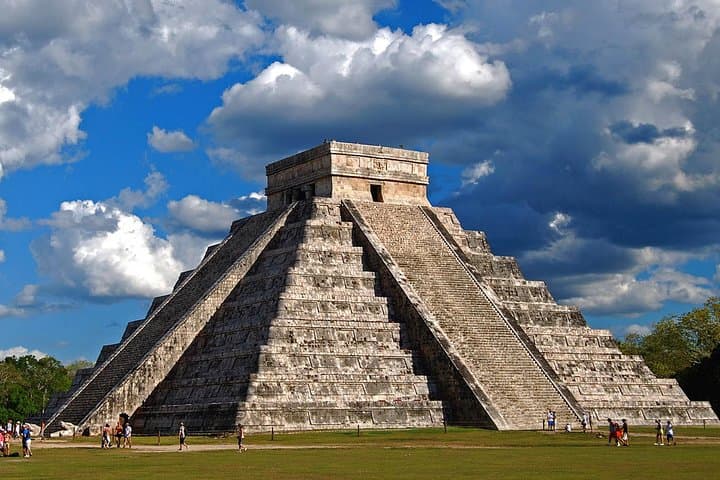

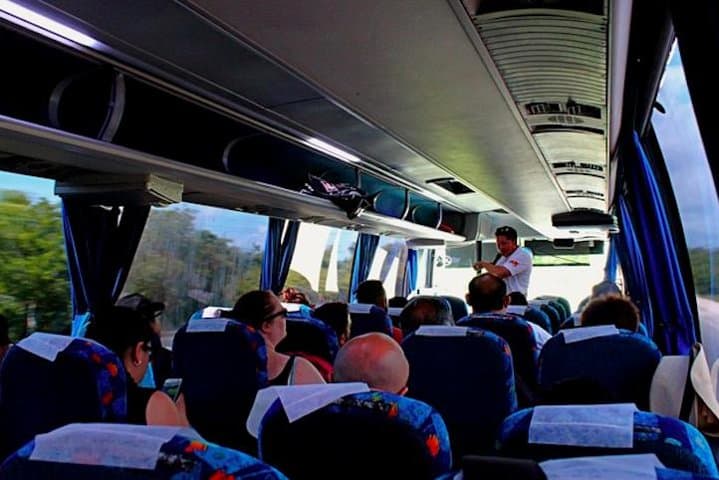

You arrive before the heat tightens, the bus easing off the highway and a stone city unfolding against blue Yucatán sky. A guide points toward El Castillo rising in precise steps; the pyramid seems to change angle as you walk around it, a built calendar waiting for the equinox. Nearby, shaded trails lead to carved stelae and quiet courtyards where the wind plays through dry grass.
You arrive before the heat tightens, the bus easing off the highway and a stone city unfolding against blue Yucatán sky. A guide points toward El Castillo rising in precise steps; the pyramid seems to change angle as you walk around it, a built calendar waiting for the equinox. Nearby, shaded trails lead to carved stelae and quiet courtyards where the wind plays through dry grass.
Chichén Itzá was a major regional capital of the Postclassic Maya (roughly AD 700–1100). Its architecture blends local Maya styles with influences from central Mexico, producing astronomical alignments and acoustic quirks—like the echo that imitates a quetzal call when you clap beneath the northern platform. Geologically, the site sits on Yucatán’s porous limestone; cenotes are sinkholes where groundwater gathers and provided life to ancient cities.
The tour typically pairs the site visit with a swim in Cenote Xcajum and a stop in Valladolid, a living colonial town with colorful facades and strong local traditions. Guides often include a Mayan purification ceremony and a regional buffet to round out the cultural picture.
Practicalities: expect a long day—roughly 12 hours with hotel pickup from Cancun or the Riviera Maya. Bring sun protection, comfortable walking shoes, and a refillable water bottle; the site has uneven stone and minimal shade. If you plan to swim, use biodegradable sunscreen or rinse before entering the cenote. Respect posted rules: climbing monuments is prohibited and photography restrictions may apply. Early starts and a lightweight daypack make the day manageable and more enjoyable.