THE ADVENTURE COLLECTIVE® · Independent discovery and booking for outdoor travel

Spend a full day exploring Chichén Itzá’s pyramids, then cool off with swims in Ik Kil and Hubiku cenotes and a regional buffet in Valladolid. This guided day tour pairs Mayan history with underground water-filled caverns and practical tips for a long day in the sun.
Spend a full day exploring Chichén Itzá’s pyramids, then cool off with swims in Ik Kil and Hubiku cenotes and a regional buffet in Valladolid. This guided day tour pairs Mayan history with underground water-filled caverns and practical tips for a long day in the sun.
You step out of the air-conditioned van into a wide plaza of stone and wind; the Kukulcán pyramid rises like an engineered season, its staircases casting sharp shadows as guide voices map months and stars. The site’s open courtyards smell faintly of dry grass and limestone dust, and the rhythm of the day is set: a guided hour amid temples and an observatory, then a plunge into underground water that seems to pull the jungle closer.
Verified experiences and guided adventures in the surrounding area.
Operated by Top Tour Connection Cancun and Riviera Maya Experts · Valladolid, Yucatan
You step out of the air-conditioned van into a wide plaza of stone and wind; the Kukulcán pyramid rises like an engineered season, its staircases casting sharp shadows as guide voices map months and stars. The site’s open courtyards smell faintly of dry grass and limestone dust, and the rhythm of the day is set: a guided hour amid temples and an observatory, then a plunge into underground water that seems to pull the jungle closer.
Chichén Itzá was a major Maya regional capital and an astronomical classroom carved in stone — the pyramid’s shadow plays across its balustrades during equinoxes. The surrounding Yucatán is a karst landscape: porous limestone that channels rain into cenotes, the caverns and sinkholes that provided fresh water for ancient communities and still draw swimmers today. Valladolid’s colonial streets add a contrasting note of Spanish-era architecture and market culture, where local textiles and ice-cream stalls supply quick, colorful stops.
Practical guidance: expect a long day (roughly 13–15 hours), with about two hours at Chichén Itzá and two separate one-hour swims at Ik Kil and Hubiku; both cenotes require stairs and wet footing. Bring biodegradable sunscreen, a quick-dry towel, cash for small purchases, and a reusable water bottle to refill. Wear supportive shoes for uneven stone and be prepared for strong sun between 10:00–15:00. If you want clearer photos, arrive early on-site or save the cenotes for late-afternoon light. The trip blends history and geology with a cooling reward below ground — practical planning ensures you notice both the details carved in stone and the quiet life in the water below.
moderate.
13–15 hours.
Suitable for travelers in average fitness—able to manage extended walking, stairs, and a full-day schedule.
Yes, admission to the Chichén Itzá Archaeological Zone is included with guided explanation and a short free-photo period.
Yes—entrance to Cenote Ik Kil and Cenote Hubiku is included; life vests are provided at Ik Kil and stair access varies by cenote.
Round-trip air-conditioned transportation from Cancun and Riviera Maya is included; pick-up instructions are provided at booking.
Breakfast and a regional buffet lunch are included; expect local dishes and the option to buy additional snacks in Valladolid.
Chichén Itzá was a major Maya city known for its astronomy and ceremonial architecture; the Kukulcán pyramid aligns with solar events used for calendrical observations.
Cenotes are sensitive freshwater ecosystems—use biodegradable sunscreen, avoid bringing plastic into the water, and follow local signage to minimize impact.
Top Tour Connection Cancun and Riviera Maya Experts operates guided outdoor trips and adventures with an emphasis on safety, stewardship, and memorable experiences.
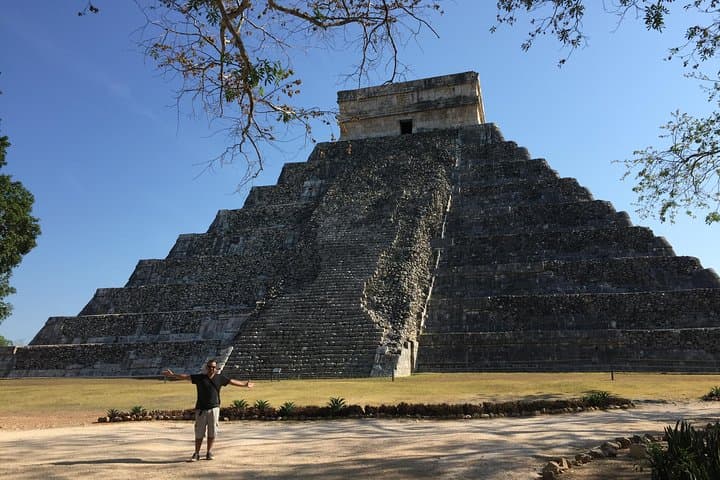
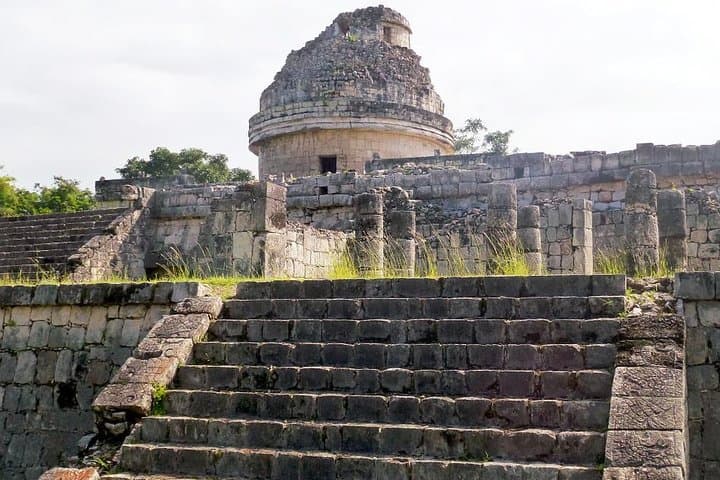
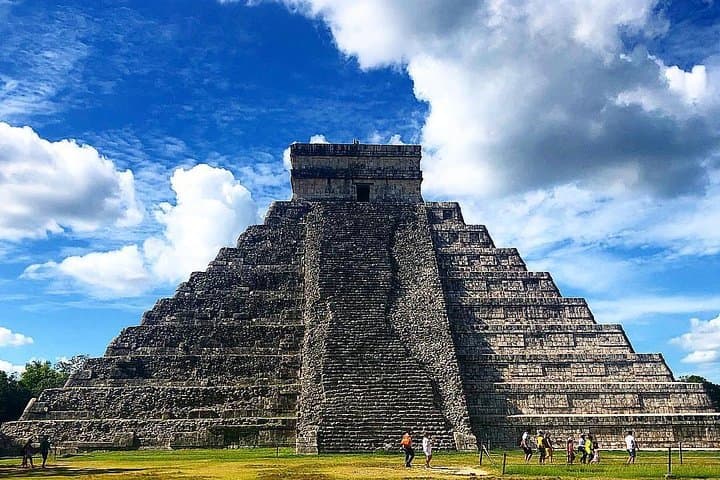
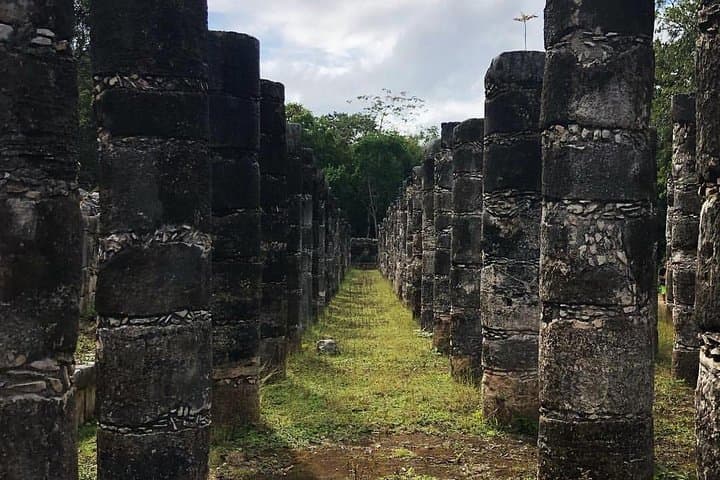
You step out of the air-conditioned van into a wide plaza of stone and wind; the Kukulcán pyramid rises like an engineered season, its staircases casting sharp shadows as guide voices map months and stars. The site’s open courtyards smell faintly of dry grass and limestone dust, and the rhythm of the day is set: a guided hour amid temples and an observatory, then a plunge into underground water that seems to pull the jungle closer.
You step out of the air-conditioned van into a wide plaza of stone and wind; the Kukulcán pyramid rises like an engineered season, its staircases casting sharp shadows as guide voices map months and stars. The site’s open courtyards smell faintly of dry grass and limestone dust, and the rhythm of the day is set: a guided hour amid temples and an observatory, then a plunge into underground water that seems to pull the jungle closer.
Chichén Itzá was a major Maya regional capital and an astronomical classroom carved in stone — the pyramid’s shadow plays across its balustrades during equinoxes. The surrounding Yucatán is a karst landscape: porous limestone that channels rain into cenotes, the caverns and sinkholes that provided fresh water for ancient communities and still draw swimmers today. Valladolid’s colonial streets add a contrasting note of Spanish-era architecture and market culture, where local textiles and ice-cream stalls supply quick, colorful stops.
Practical guidance: expect a long day (roughly 13–15 hours), with about two hours at Chichén Itzá and two separate one-hour swims at Ik Kil and Hubiku; both cenotes require stairs and wet footing. Bring biodegradable sunscreen, a quick-dry towel, cash for small purchases, and a reusable water bottle to refill. Wear supportive shoes for uneven stone and be prepared for strong sun between 10:00–15:00. If you want clearer photos, arrive early on-site or save the cenotes for late-afternoon light. The trip blends history and geology with a cooling reward below ground — practical planning ensures you notice both the details carved in stone and the quiet life in the water below.