THE ADVENTURE COLLECTIVE® · Independent discovery and booking for outdoor travel

Spend a long day between the Pyramid of Kukulcán, a refreshing cenote swim and the colonial streets of Valladolid. This guided trip combines archaeology, geology and local flavors with convenient round-trip transport.
Spend a long day between the Pyramid of Kukulcán, a refreshing cenote swim and the colonial streets of Valladolid. This guided trip combines archaeology, geology and local flavors with convenient round-trip transport.
You arrive before the heat gathers, watching the stone pyramid cut a hard silhouette against pale sky. The plaza at Chichen Itza opens like a cleared stage—ball courts, columns and the stepped face of El Castillo that still measures solar cycles into shadow. A local guide leads the way through carved reliefs while the wind teases lichen from limestone crevices.
Verified experiences and guided adventures in the surrounding area.
Operated by isla mujeres catamaran tour · Piste, Yucatán
You arrive before the heat gathers, watching the stone pyramid cut a hard silhouette against pale sky. The plaza at Chichen Itza opens like a cleared stage—ball courts, columns and the stepped face of El Castillo that still measures solar cycles into shadow. A local guide leads the way through carved reliefs while the wind teases lichen from limestone crevices.
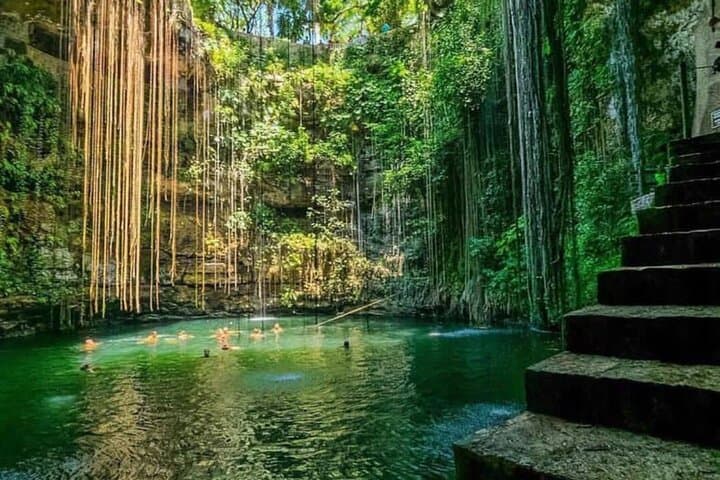
This is the Itza capital that rose in the Classic-to-Postclassic transition and later became a focal point of trade and ritual. Geology shapes the trip: the porous limestone of the Yucatán creates underground rivers and cenotes—vertical wells where aquifers reveal themselves. After the archaeological circuit you cool off in a freshwater cenote kept by a local community, then taste Yucatecan flavors in a buffet lunch and a brief tequila sampling. The colonial town of Valladolid closes the day with its 16th-century convent, color-washed streets and a slower pace.
Practical guidance: the full-day itinerary runs roughly 11–13 hours including round-trip transport from Cancún or the Riviera Maya; expect long drives on toll roads and stretches of walking on packed earth and stone. Bring swimwear and a towel, a hat and sunscreen for long sun exposure, and modest clothing for the church and archaeological site. Water, cash for souvenirs, and comfortable shoes will keep the day moving. If you want clearer photos, aim for early arrivals or ask your guide for the best light. Respect rope lines and signage—these places are protected and fragile.
easy.
11–13 hours.
Suitable for travelers with basic mobility who can manage several hours of walking on uneven surfaces; no sustained climbs.
Policies vary by operator; confirm at booking—this itinerary specifies the cenote swim is included, so verify whether archaeological site entrance is covered.
Expect 1–2 hours of guided walking plus additional free time; paths are mostly packed earth and stone but not steep—moderate mobility required.
Yes—restrooms and a buffet lunch are included at the cenote restaurant, and Valladolid has cafés and public facilities during the stop.
The provider lists wheelchair accessibility, but access across the archaeological site can be limited—contact the operator in advance to confirm arrangements.
Chichen Itza was a major Maya center from the Terminal Classic into the Postclassic period; Valladolid was founded in the 16th century as a Spanish colonial town and retains its convent and grid of streets.
Chichen Itza is a UNESCO World Heritage site with restricted visitor circulation—stay on marked paths, don’t climb monuments, and respect community-run cenotes by following local rules and avoiding single-use plastics.
isla mujeres catamaran tour operates guided outdoor trips and adventures with an emphasis on safety, stewardship, and memorable experiences.
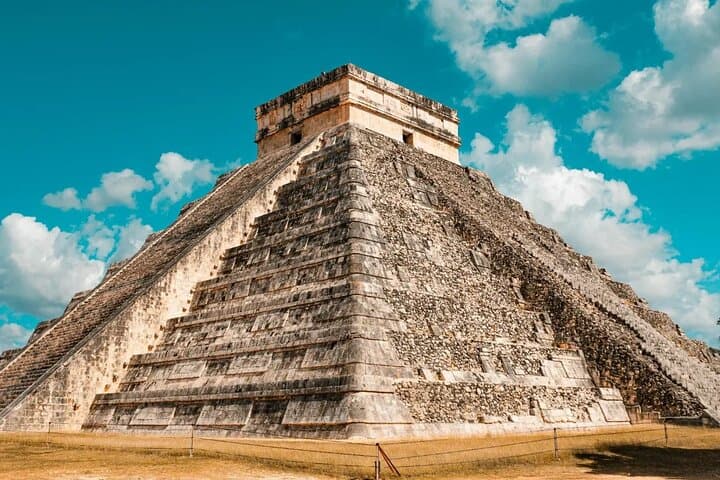
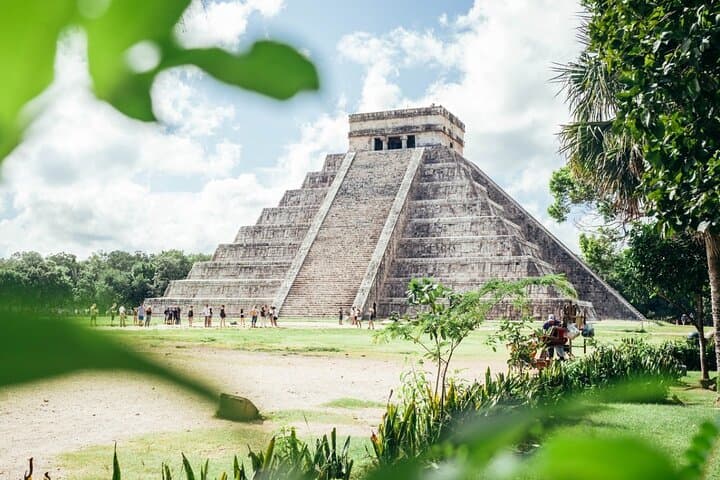
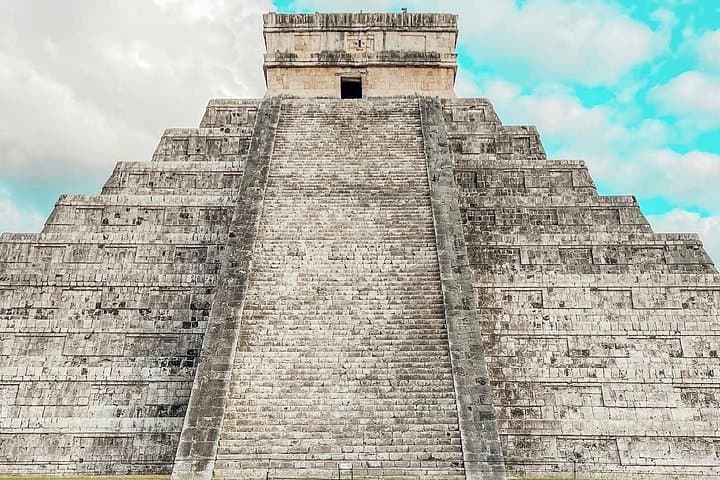
You arrive before the heat gathers, watching the stone pyramid cut a hard silhouette against pale sky. The plaza at Chichen Itza opens like a cleared stage—ball courts, columns and the stepped face of El Castillo that still measures solar cycles into shadow. A local guide leads the way through carved reliefs while the wind teases lichen from limestone crevices.
You arrive before the heat gathers, watching the stone pyramid cut a hard silhouette against pale sky. The plaza at Chichen Itza opens like a cleared stage—ball courts, columns and the stepped face of El Castillo that still measures solar cycles into shadow. A local guide leads the way through carved reliefs while the wind teases lichen from limestone crevices.
This is the Itza capital that rose in the Classic-to-Postclassic transition and later became a focal point of trade and ritual. Geology shapes the trip: the porous limestone of the Yucatán creates underground rivers and cenotes—vertical wells where aquifers reveal themselves. After the archaeological circuit you cool off in a freshwater cenote kept by a local community, then taste Yucatecan flavors in a buffet lunch and a brief tequila sampling. The colonial town of Valladolid closes the day with its 16th-century convent, color-washed streets and a slower pace.
Practical guidance: the full-day itinerary runs roughly 11–13 hours including round-trip transport from Cancún or the Riviera Maya; expect long drives on toll roads and stretches of walking on packed earth and stone. Bring swimwear and a towel, a hat and sunscreen for long sun exposure, and modest clothing for the church and archaeological site. Water, cash for souvenirs, and comfortable shoes will keep the day moving. If you want clearer photos, aim for early arrivals or ask your guide for the best light. Respect rope lines and signage—these places are protected and fragile.