THE ADVENTURE COLLECTIVE® · Independent discovery and booking for outdoor travel

Spend a long day traveling from Tulum to Chichén Itzá and two dramatic cenotes—Hubiku and Ik Kil. This tour combines a deep-dive into Mayan architecture and cosmology with cooling swims in underground-fed sinkholes and a stroll through colonial Valladolid.
Spend a long day traveling from Tulum to Chichén Itzá and two dramatic cenotes—Hubiku and Ik Kil. This tour combines a deep-dive into Mayan architecture and cosmology with cooling swims in underground-fed sinkholes and a stroll through colonial Valladolid.
A morning bus eases out of Tulum before sunrise and the road opens into low scrub and palms; the van hums as passengers trade the coastal humidity for a different kind of Yucatán—the dry forest and limestone plain that hides sinkholes and pyramid platforms.
Verified experiences and guided adventures in the surrounding area.
Operated by New Choice Travel · Valladolid, Yucatán
A morning bus eases out of Tulum before sunrise and the road opens into low scrub and palms; the van hums as passengers trade the coastal humidity for a different kind of Yucatán—the dry forest and limestone plain that hides sinkholes and pyramid platforms.
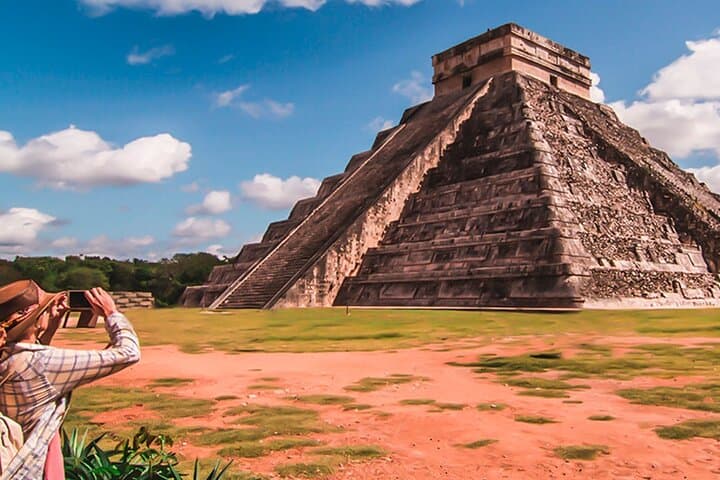
At Chichén Itzá the pyramid of Kukulcán dominates the plaza, its steps casting sharp geometry that marks astronomical knowledge in stone. Nearby, the Sacred Cenote and ballcourt speak to ritual life and engineering carried out by the Maya centuries ago. Geologically the region sits on porous karst; rainwater carved caverns that collapsed into the dramatic cenotes you’ll swim—vertical sinks fed by an underground aquifer that still channels groundwater toward the Gulf.
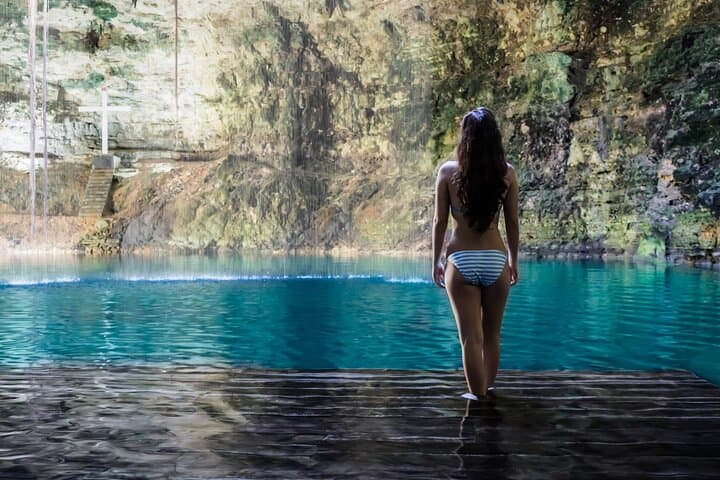
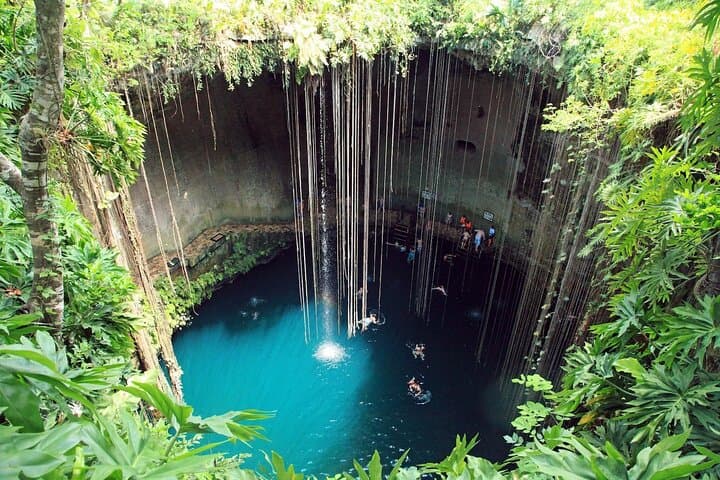
Culturally the visit stitches pre-Hispanic cosmology with colonial-era towns: Valladolid’s shaded central park and colonial facades are living reminders of the layered history here. Cenote Hubiku and Ik Kil offer cool, crystalline water and a vertiginous sense of being in an open cave where shafts of light find the surface.
Practical notes: this is a long, full-day trip (roughly 10–12 hours) with periods of walking on uneven stone and stairways plus swimming in fresh water; bring biodegradable sunscreen, insect repellent and sturdy walking shoes you can slip off. Preserve tax and entrance fees may be extra—have cash ready. Timing matters: arrive early at Chichén Itzá and mid-afternoon at the cenotes to avoid crowds. Respect fragile rock formations, rinse gear after the swim, and keep water bottles topped up—the sun pushes the pace in mid-day.
moderate.
10–12 hours.
Suitable for moderately fit travelers who can climb stairs and walk on uneven stone for several hours; ability to swim recommended for cenote time.
The full-day excursion lasts about 10–12 hours; most departures are early morning from pick-up points in Tulum City to maximize time at Chichén Itzá.
Admission to the sites is typically included, but a separate preservation tax (paid in cash) may not be covered—confirm at booking and bring local currency.
Yes; cenote platforms and shallow edges allow non-swimmers to enjoy the atmosphere, but access to deeper water should be avoided without flotation or supervision.
The tour is family-friendly but involves stairs and some uneven terrain; it’s not recommended for travelers with significant mobility limitations or certain medical conditions.
Chichén Itzá was a major Maya city whose architecture encodes astronomical knowledge; cenotes served as water sources and ceremonial sites central to Maya cosmology.
Cenotes are ecologically sensitive—use biodegradable products, avoid touching stalactites, and follow local guidelines to minimize tourist impact.
New Choice Travel operates guided outdoor trips and adventures with an emphasis on safety, stewardship, and memorable experiences.

A morning bus eases out of Tulum before sunrise and the road opens into low scrub and palms; the van hums as passengers trade the coastal humidity for a different kind of Yucatán—the dry forest and limestone plain that hides sinkholes and pyramid platforms.
A morning bus eases out of Tulum before sunrise and the road opens into low scrub and palms; the van hums as passengers trade the coastal humidity for a different kind of Yucatán—the dry forest and limestone plain that hides sinkholes and pyramid platforms.
At Chichén Itzá the pyramid of Kukulcán dominates the plaza, its steps casting sharp geometry that marks astronomical knowledge in stone. Nearby, the Sacred Cenote and ballcourt speak to ritual life and engineering carried out by the Maya centuries ago. Geologically the region sits on porous karst; rainwater carved caverns that collapsed into the dramatic cenotes you’ll swim—vertical sinks fed by an underground aquifer that still channels groundwater toward the Gulf.
Culturally the visit stitches pre-Hispanic cosmology with colonial-era towns: Valladolid’s shaded central park and colonial facades are living reminders of the layered history here. Cenote Hubiku and Ik Kil offer cool, crystalline water and a vertiginous sense of being in an open cave where shafts of light find the surface.
Practical notes: this is a long, full-day trip (roughly 10–12 hours) with periods of walking on uneven stone and stairways plus swimming in fresh water; bring biodegradable sunscreen, insect repellent and sturdy walking shoes you can slip off. Preserve tax and entrance fees may be extra—have cash ready. Timing matters: arrive early at Chichén Itzá and mid-afternoon at the cenotes to avoid crowds. Respect fragile rock formations, rinse gear after the swim, and keep water bottles topped up—the sun pushes the pace in mid-day.