THE ADVENTURE COLLECTIVE® · Independent discovery and booking for outdoor travel

Visit two major Maya sites and swim in a sacred cenote on a full‑day tour from Cancún. This guided excursion combines Cobá’s quieter ruins, Chichén Itzá’s monumental architecture, and a refreshing cenote swim with an optional buffet lunch.
Visit two major Maya sites and swim in a sacred cenote on a full‑day tour from Cancún. This guided excursion combines Cobá’s quieter ruins, Chichén Itzá’s monumental architecture, and a refreshing cenote swim with an optional buffet lunch.
Morning light finds the bus rolling out of Cancún toward low, scrubby jungle and the silhouettes of stone pyramids rising like memory out of the trees.
Verified experiences and guided adventures in the surrounding area.
Operated by Amigo Tours · Valladolid, Yucatán
Morning light finds the bus rolling out of Cancún toward low, scrubby jungle and the silhouettes of stone pyramids rising like memory out of the trees.
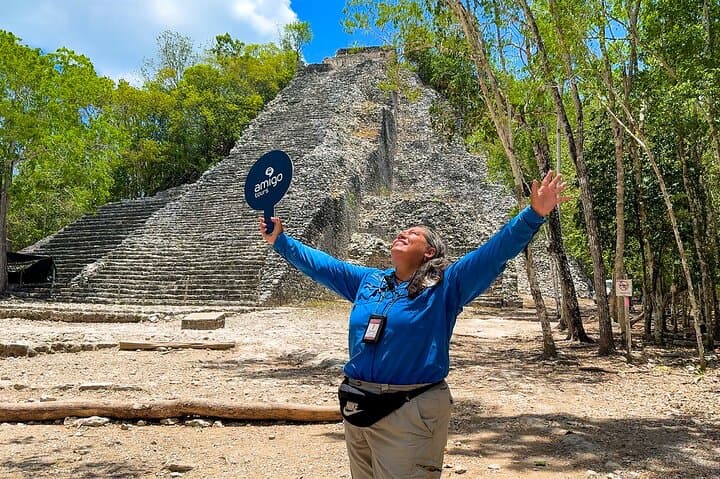
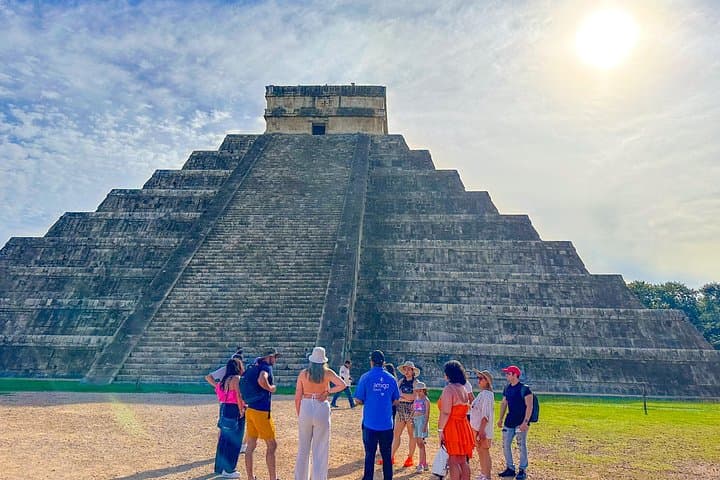
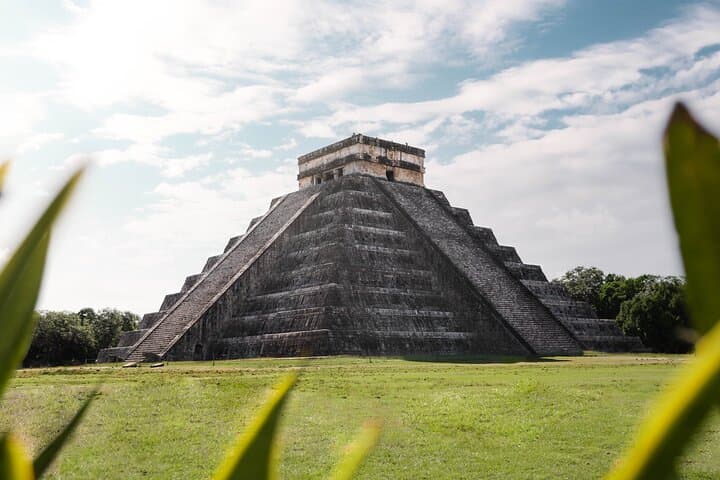
The day begins at Cobá, where wide causeways and dispersed stelae speak to a sprawling city that flourished near five lakes between roughly 300 and 100 B.C. The path here is looser—bikes, shaded trails, and the chance to feel the scale of an inland Maya city before the crowds. Later, the tour moves to Chichén Itzá, the iconic classical and post‑classical Maya complex dominated by El Castillo, a calendar in stone and one of the New Seven Wonders.
Geology and culture are tied: the porous limestone of the Yucatán created cenotes—collapsed caverns that provided freshwater and sacred sites for the Maya. A stop at Cenote Chichikan lets travelers swim in clear, cool water beneath a high rock lip and waterfall, the water itself a living remnant of the region’s karst landscape.
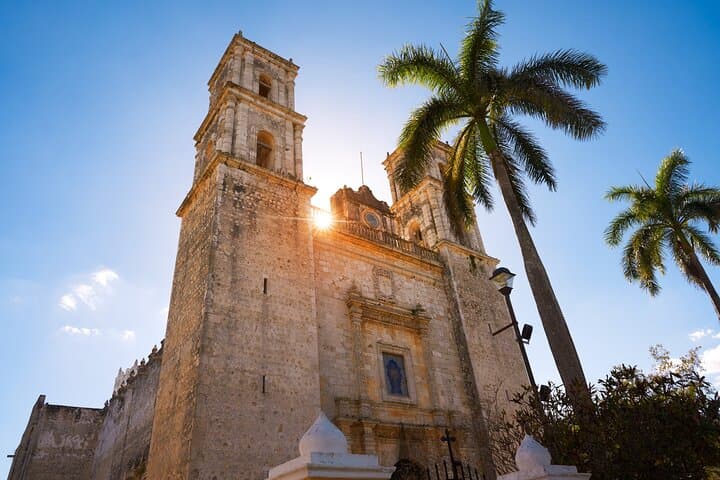
Valladolid provides a brief cultural pause—Spanish colonial facades, local markets and a chance to sample regional dishes if lunch is selected.
Practical guidance: this is a full 12‑hour excursion with guided walks on uneven stone, hot sun, and a mandatory life vest in the cenote. Carry a reusable water bottle, solid walking shoes, sun protection and a credit card for the archaeological site tax (paid on arrival). Expect periods of standing during guided segments and free time to explore. Follow your guide’s instructions around fragile ruins and refrain from sunscreen before entering cenote waters to protect the ecosystem.
easy.
12 hours (full day).
Suitable for most fitness levels; requires walking on uneven terrain and standing during guided segments. Be comfortable with heat.
Entrance to Cobá and Chichén Itzá is included, but the archaeological sites tax (commonly charged separately, ~45 USD) is often paid on arrival by card and may not be part of the upfront price.
Hotel pickup and drop‑off from the Riviera Maya is optional—confirm selection when booking and check the pickup point if you are in Cancún proper.
Yes—cenote admission is included and life vests are required for safety; the life vest cost may not be included, so confirm with the operator and bring a towel and swimwear.
Climbing access varies by site and current regulations; Chichén Itzá has been closed to climbing for years, and access at Cobá can change—follow your guide and on‑site rules.
Cobá grew around 300–100 B.C. as a networked Maya center near lakes; Chichén Itzá later became a major ceremonial and economic hub integrating Maya and Toltec influences.
Cenotes are fragile karst ecosystems—avoid sunscreen and soaps in the water, pack out waste, and support certified local guides who follow sustainable site practices.
Amigo Tours operates guided outdoor trips and adventures with an emphasis on safety, stewardship, and memorable experiences.
Morning light finds the bus rolling out of Cancún toward low, scrubby jungle and the silhouettes of stone pyramids rising like memory out of the trees.
Morning light finds the bus rolling out of Cancún toward low, scrubby jungle and the silhouettes of stone pyramids rising like memory out of the trees.
The day begins at Cobá, where wide causeways and dispersed stelae speak to a sprawling city that flourished near five lakes between roughly 300 and 100 B.C. The path here is looser—bikes, shaded trails, and the chance to feel the scale of an inland Maya city before the crowds. Later, the tour moves to Chichén Itzá, the iconic classical and post‑classical Maya complex dominated by El Castillo, a calendar in stone and one of the New Seven Wonders.
Geology and culture are tied: the porous limestone of the Yucatán created cenotes—collapsed caverns that provided freshwater and sacred sites for the Maya. A stop at Cenote Chichikan lets travelers swim in clear, cool water beneath a high rock lip and waterfall, the water itself a living remnant of the region’s karst landscape.
Valladolid provides a brief cultural pause—Spanish colonial facades, local markets and a chance to sample regional dishes if lunch is selected.
Practical guidance: this is a full 12‑hour excursion with guided walks on uneven stone, hot sun, and a mandatory life vest in the cenote. Carry a reusable water bottle, solid walking shoes, sun protection and a credit card for the archaeological site tax (paid on arrival). Expect periods of standing during guided segments and free time to explore. Follow your guide’s instructions around fragile ruins and refrain from sunscreen before entering cenote waters to protect the ecosystem.