THE ADVENTURE COLLECTIVE® · Independent discovery and booking for outdoor travel

Experience the scale of Chichén Itzá, swim in a cool cenote, and wander colonial Valladolid in one full day from Playa del Carmen. This guided tour blends archaeology, geology, and local flavor with practical logistics for a long but rewarding excursion.
Experience the scale of Chichén Itzá, swim in a cool cenote, and wander colonial Valladolid in one full day from Playa del Carmen. This guided tour blends archaeology, geology, and local flavor with practical logistics for a long but rewarding excursion.
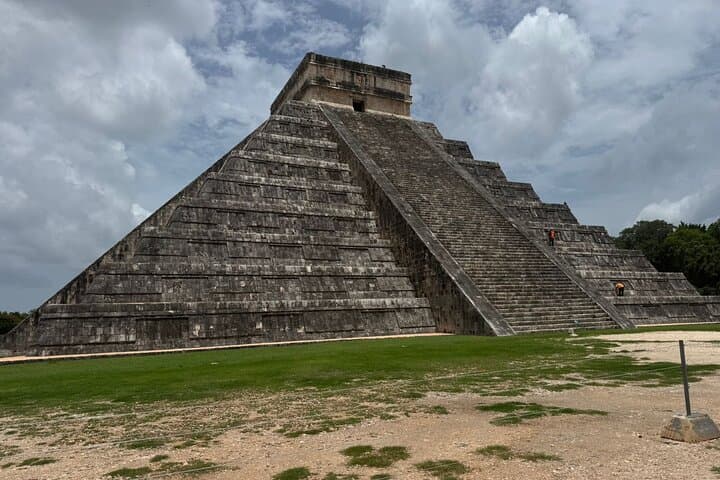
You step off the van into a wide plaza where stone geometry reorders the light—Kukulkan's steps cast precise shadows that move like a slow clock. Wind carries an echo of the past: carved reliefs, long stairways, and the hollow thump of the Great Ball Court. This is Chichén Itzá, and the day unfolds between monumental architecture, a cool cenote, and the painted streets of Valladolid.
Verified experiences and guided adventures in the surrounding area.
Operated by Nauticos del Caribe · Pisté, Yucatán
You step off the van into a wide plaza where stone geometry reorders the light—Kukulkan's steps cast precise shadows that move like a slow clock. Wind carries an echo of the past: carved reliefs, long stairways, and the hollow thump of the Great Ball Court. This is Chichén Itzá, and the day unfolds between monumental architecture, a cool cenote, and the painted streets of Valladolid.
The site dates to the Classic and Postclassic Maya periods; Kukulkan (El Castillo) aligns to solar events and the Temple of the Warriors reveals civic ritual and martial power. Geologically, the Yucatán sits on porous limestone, which collapses into freshwater sinkholes—cenotes—forming the clear, spring-fed pools that sustained ancient communities.
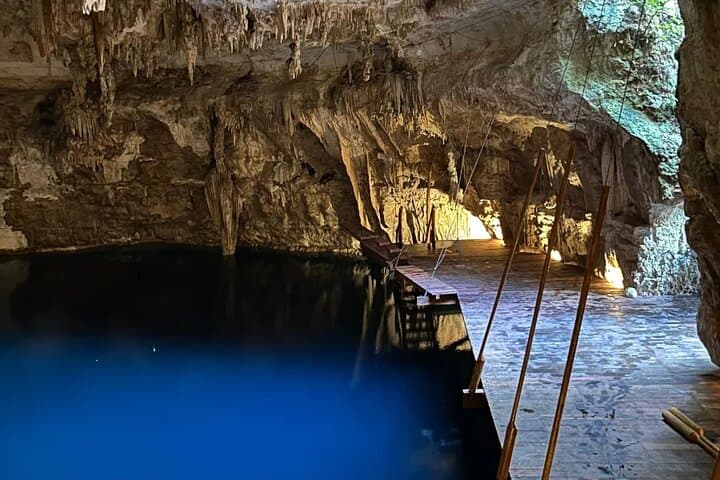
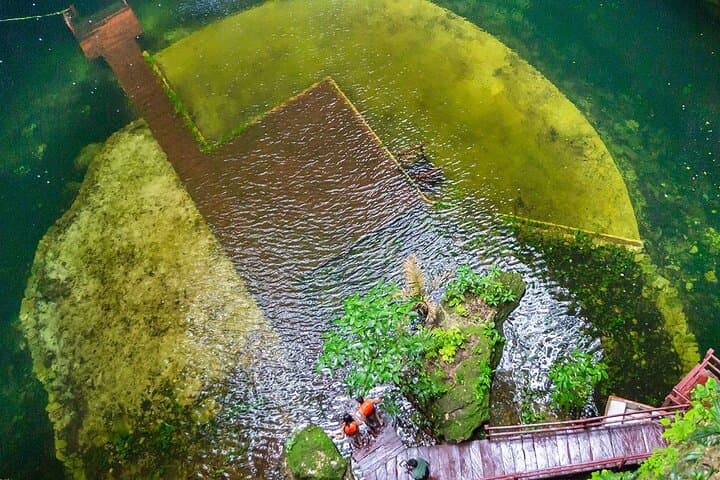
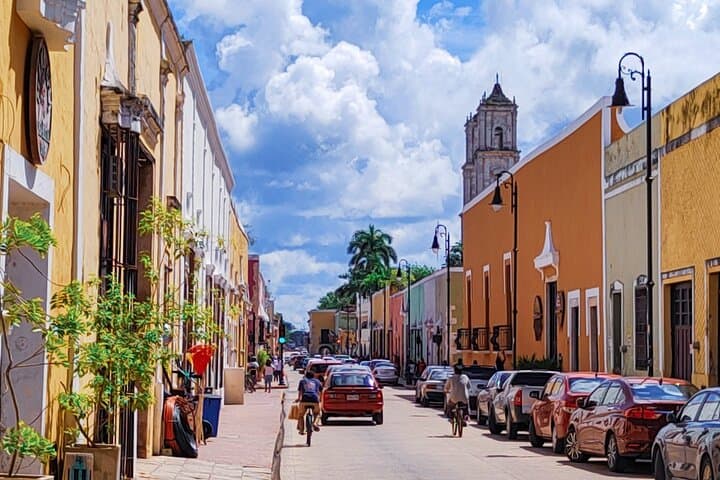
Cenote Noolhá (or the substitute Cenote Chichikan) offers a sharp contrast: shaded rock walls, blue-green water, and a mandatory life vest for a restorative swim. Valladolid adds colonial texture—a Spanish-era cathedral, market stalls, and regional Yucatecan dishes to taste before the return trip.
Practical guidance: plan for a long day—transport is shared and the itinerary runs most of the daylight hours. Bring a swimsuit, towel, cash for the preservation tax, and sun protection that won’t harm the cenote. Wear closed-toe shoes for walking on uneven stone and carry a refillable water bottle; hydration and sunscreen application between ruins and cenote make the difference. Expect guided history at the major monuments, followed by free time for photos and short independent exploration. Respect the site: don’t climb structures, stay on designated paths, and follow your guide’s instructions—these gestures keep the ruins standing for the next visitor.
easy.
10–12 hours.
Suitable for most fitness levels; requires walking on uneven ground for 1–2 hours and easy swimming in a cenote.
This is a full-day shared tour (about 10–12 hours) including guided time at Chichén Itzá, entrance to the listed cenote, a Mexican buffet, Valladolid free time, and round-trip shared transport.
No, climbing the major structures is prohibited to protect the site; visitors can photograph and walk designated areas during free time.
Life vests are mandatory at the cenote, making it accessible for non-swimmers, but participants should be comfortable in water and follow staff instructions.
Admission to the cenote is included, but the preservation tax (around USD 17) is often not included and should be paid on-site in cash if required.
Chichén Itzá was a major Maya city from the Classic to Postclassic eras; El Castillo functions as a solar marker used in ritual calendar events.
The site enforces no-climb rules and charges a preservation tax; visitors should use reef-safe sunscreen for cenotes and avoid leaving waste to protect fragile limestone aquifers.
Nauticos del Caribe operates guided outdoor trips and adventures with an emphasis on safety, stewardship, and memorable experiences.
You step off the van into a wide plaza where stone geometry reorders the light—Kukulkan's steps cast precise shadows that move like a slow clock. Wind carries an echo of the past: carved reliefs, long stairways, and the hollow thump of the Great Ball Court. This is Chichén Itzá, and the day unfolds between monumental architecture, a cool cenote, and the painted streets of Valladolid.
You step off the van into a wide plaza where stone geometry reorders the light—Kukulkan's steps cast precise shadows that move like a slow clock. Wind carries an echo of the past: carved reliefs, long stairways, and the hollow thump of the Great Ball Court. This is Chichén Itzá, and the day unfolds between monumental architecture, a cool cenote, and the painted streets of Valladolid.
The site dates to the Classic and Postclassic Maya periods; Kukulkan (El Castillo) aligns to solar events and the Temple of the Warriors reveals civic ritual and martial power. Geologically, the Yucatán sits on porous limestone, which collapses into freshwater sinkholes—cenotes—forming the clear, spring-fed pools that sustained ancient communities.
Cenote Noolhá (or the substitute Cenote Chichikan) offers a sharp contrast: shaded rock walls, blue-green water, and a mandatory life vest for a restorative swim. Valladolid adds colonial texture—a Spanish-era cathedral, market stalls, and regional Yucatecan dishes to taste before the return trip.
Practical guidance: plan for a long day—transport is shared and the itinerary runs most of the daylight hours. Bring a swimsuit, towel, cash for the preservation tax, and sun protection that won’t harm the cenote. Wear closed-toe shoes for walking on uneven stone and carry a refillable water bottle; hydration and sunscreen application between ruins and cenote make the difference. Expect guided history at the major monuments, followed by free time for photos and short independent exploration. Respect the site: don’t climb structures, stay on designated paths, and follow your guide’s instructions—these gestures keep the ruins standing for the next visitor.