THE ADVENTURE COLLECTIVE® · Independent discovery and booking for outdoor travel

Combine one of the Americas’ great archaeological sites with two atmospheric cenotes on a single long day from Cancún. This guided excursion mixes Mayan history, karst geology and two refreshing swims—ideal for travelers seeking culture and a cool dip.
Combine one of the Americas’ great archaeological sites with two atmospheric cenotes on a single long day from Cancún. This guided excursion mixes Mayan history, karst geology and two refreshing swims—ideal for travelers seeking culture and a cool dip.
A bus eases onto a dusty road before dawn and the Maya lowlands open like a map: scrubby forest, low limestone ridges, and the silhouette of a stepped pyramid growing larger as you approach. On this full-day circuit travelers move between two very different kinds of sacred water and one of Mexico’s most famous archaeological sites—Chichen Itzá—whose stone geometry still reads like an astronomical instrument.
Verified experiences and guided adventures in the surrounding area.
Operated by 13 Baktun Tours · Pisté, Yucatán
A bus eases onto a dusty road before dawn and the Maya lowlands open like a map: scrubby forest, low limestone ridges, and the silhouette of a stepped pyramid growing larger as you approach. On this full-day circuit travelers move between two very different kinds of sacred water and one of Mexico’s most famous archaeological sites—Chichen Itzá—whose stone geometry still reads like an astronomical instrument.
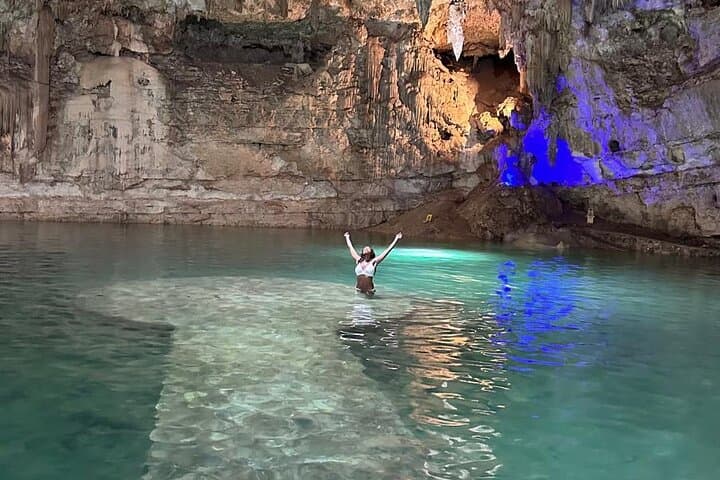
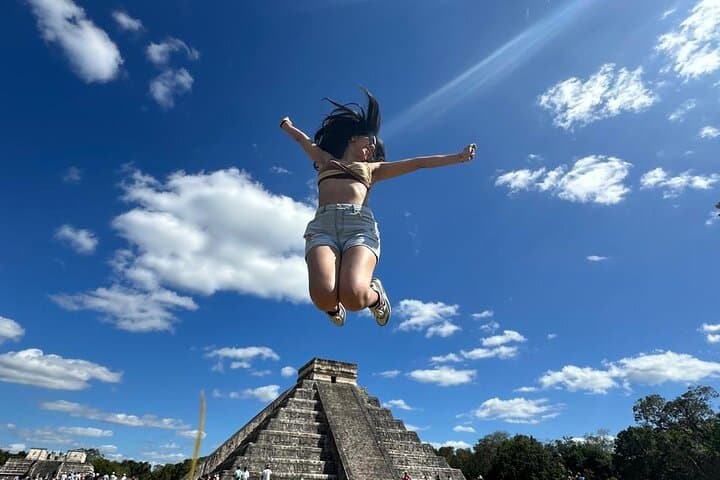
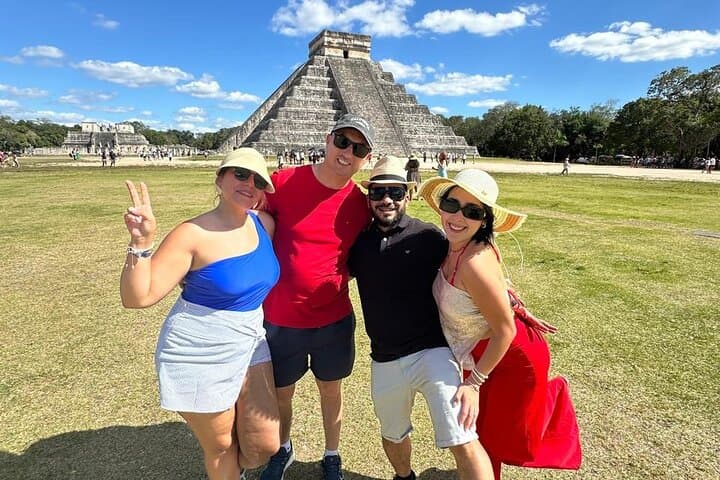
Chichen Itzá rose to prominence during the Terminal Classic period; El Castillo (the Pyramid of Kukulkán) encodes equinox shadow-serpents and aligns to cardinal points. The region’s geology is pure karst: porous limestone that collapses into cenotes—vertical wells that channel the Yucatán’s freshwater. Cenote Suytún offers a photogenic stone platform and a cathedral-like light shaft; Ik-Kil plunges with vertical walls, vines, and a steady waterfall into a cool pool once considered sacred by the Maya.
Expect a paced day: air-conditioned bus transfer, a bilingual guide, site admissions, a sandwich and drinks on board, plus time to swim (life jackets provided) and to explore the colonial town of Valladolid. Practicalities matter—protect skin, carry cash for small purchases, and plan for heat or sudden tropical showers. Walks at Chichen Itzá are on packed earth and stone; cenote access includes steps and wet surfaces.
This itinerary suits curious travelers who want history, a short swim in clear cenote water, and a long but comfortable travel day from coastal bases such as Cancún or Playa del Carmen.
easy.
13 hours.
Suitable for most travelers; involves short walks on uneven stone, steps into cenotes, and long periods seated on a coach.
Yes—both Suytún and Ik-Kil allow swimming; life jackets are provided at Ik-Kil and depths vary, so follow staff instructions.
Yes—a bilingual guide leads a structured visit at Chichen Itzá including major monuments, then provides free time to explore further independently.
No—climbing El Castillo and several other structures is prohibited to preserve the site and for visitor safety.
The tour runs about 13 hours round-trip in an air-conditioned coach; expect long stretches of travel between stops and multiple short walks on-site.
Chichen Itzá was a major Mayan and later regional capital whose monuments reflect astronomy, ritual and regional trade; cenotes nearby were sources of freshwater and ritual offerings.
Cenotes and karst aquifers are fragile—use biodegradable products, avoid stepping on roots or ledges, and follow local rules to minimize erosion and pollution.
13 Baktun Tours operates guided outdoor trips and adventures with an emphasis on safety, stewardship, and memorable experiences.
A bus eases onto a dusty road before dawn and the Maya lowlands open like a map: scrubby forest, low limestone ridges, and the silhouette of a stepped pyramid growing larger as you approach. On this full-day circuit travelers move between two very different kinds of sacred water and one of Mexico’s most famous archaeological sites—Chichen Itzá—whose stone geometry still reads like an astronomical instrument.
A bus eases onto a dusty road before dawn and the Maya lowlands open like a map: scrubby forest, low limestone ridges, and the silhouette of a stepped pyramid growing larger as you approach. On this full-day circuit travelers move between two very different kinds of sacred water and one of Mexico’s most famous archaeological sites—Chichen Itzá—whose stone geometry still reads like an astronomical instrument.
Chichen Itzá rose to prominence during the Terminal Classic period; El Castillo (the Pyramid of Kukulkán) encodes equinox shadow-serpents and aligns to cardinal points. The region’s geology is pure karst: porous limestone that collapses into cenotes—vertical wells that channel the Yucatán’s freshwater. Cenote Suytún offers a photogenic stone platform and a cathedral-like light shaft; Ik-Kil plunges with vertical walls, vines, and a steady waterfall into a cool pool once considered sacred by the Maya.
Expect a paced day: air-conditioned bus transfer, a bilingual guide, site admissions, a sandwich and drinks on board, plus time to swim (life jackets provided) and to explore the colonial town of Valladolid. Practicalities matter—protect skin, carry cash for small purchases, and plan for heat or sudden tropical showers. Walks at Chichen Itzá are on packed earth and stone; cenote access includes steps and wet surfaces.
This itinerary suits curious travelers who want history, a short swim in clear cenote water, and a long but comfortable travel day from coastal bases such as Cancún or Playa del Carmen.