THE ADVENTURE COLLECTIVE® · Independent discovery and booking for outdoor travel

A full-day loop from Cancún that pairs the monumental steps of Chichén Itzá with the cool caverns of Cenote Xkekén and Samulá, ending with a stroll through colonial Valladolid. Expect archaeology, karst wonder, and a refreshing swim.
A full-day loop from Cancún that pairs the monumental steps of Chichén Itzá with the cool caverns of Cenote Xkekén and Samulá, ending with a stroll through colonial Valladolid. Expect archaeology, karst wonder, and a refreshing swim.
You drive inland as the coast shrinks behind you and the Yucatán’s low scrub and folded limestone take over—humidity lifting off the road like a living thing. At Chichén Itzá the scale hits first: a square of stone, stairways and shadow, the Kukulcán pyramid holding court under a broad sky. Your guide sketches the astronomy and ritual that ordered this Postclassic city; later you find quieter corners where carvings and worn plazas hold onto a different kind of hush.
Verified experiences and guided adventures in the surrounding area.
Operated by Stap Travel · Valladolid, Yucatán
You drive inland as the coast shrinks behind you and the Yucatán’s low scrub and folded limestone take over—humidity lifting off the road like a living thing. At Chichén Itzá the scale hits first: a square of stone, stairways and shadow, the Kukulcán pyramid holding court under a broad sky. Your guide sketches the astronomy and ritual that ordered this Postclassic city; later you find quieter corners where carvings and worn plazas hold onto a different kind of hush.
Geology here is obvious—porous karst that drains into caverns and cenotes. Xkekén and Samulá are two such sinkholes: one a vaulted cavern chamber lit by a single shaft, the other a more open pool framed by roots and stalactites. Both offer stark contrast to broad stone plazas—cold water that demands slow breathing and a mandatory life vest.
Valladolid provides the cultural punctuation: a colonial plaza, the baroque church of San Servacio, and street stalls selling cochinita or handheld marquesitas. The tour pairs structured history (guided time at Chichén Itzá) with free time to wander, swim, and eat.
Practical notes: expect an 11–12 hour day with bus transfers, uneven stone and steps at the ruins, and wet, slippery surfaces at cenotes. Bring biodegradable sunscreen, a swimsuit, towel, and a refillable water bottle. There’s a preservation tax charged separately; follow local guidance, respect fenced areas, and use marked paths to protect both ruins and fragile cenote formations.
moderate.
11–12 hours.
Suitable for most people who can handle a full day of walking, steps, and short swims; not strenuous but long.
The tour lists access to the archaeological zone as included, but a separate preservation tax is typically collected on-site—bring cash.
Yes—swimming is allowed, life vests are mandatory and provided; bring a swimsuit and biodegradable sunscreen.
The operator notes it isn't recommended for travelers with spinal or heart problems or for pregnant guests; children are allowed but consider the long day and walking involved.
Expect moderate walking with climbing of steps at the pyramid plaza and short paved or natural paths at the cenotes—comfortable shoes are advised.
Chichén Itzá grew into a major Maya center in the Terminal Classic and Early Postclassic periods, famed for Kukulcán pyramid’s astronomical alignments.
Cenote ecosystems are sensitive—use biodegradable products, avoid touching formations, and respect preserved areas; the preservation tax supports site maintenance.
Stap Travel operates guided outdoor trips and adventures with an emphasis on safety, stewardship, and memorable experiences.
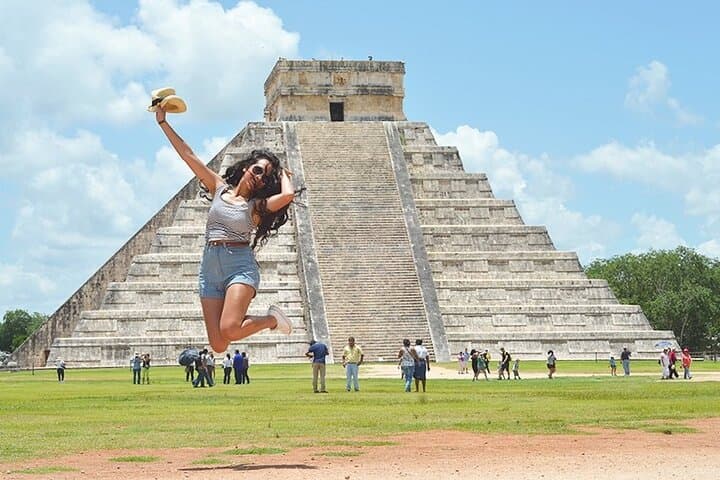
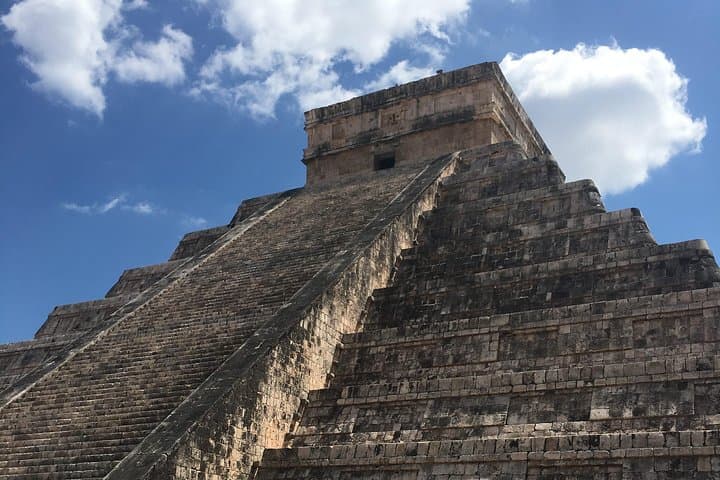
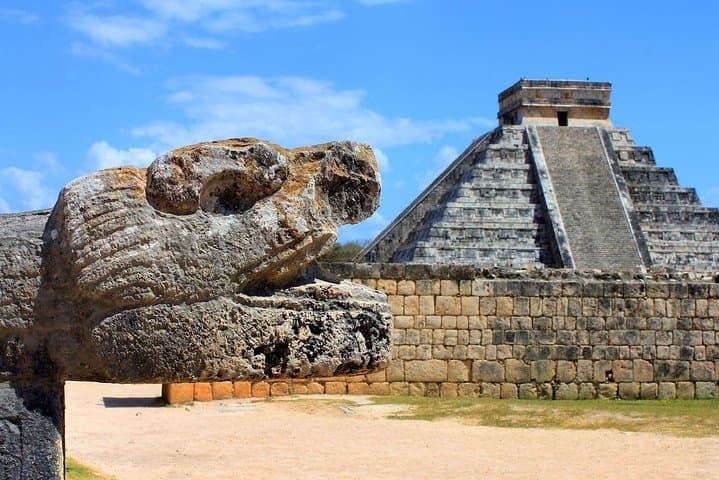
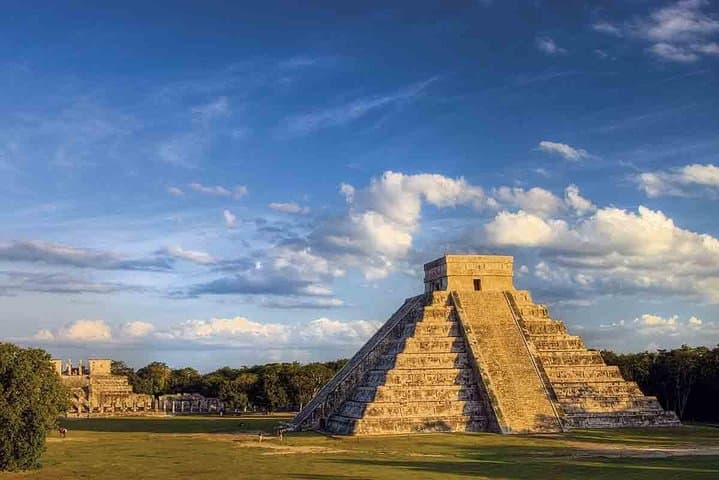
You drive inland as the coast shrinks behind you and the Yucatán’s low scrub and folded limestone take over—humidity lifting off the road like a living thing. At Chichén Itzá the scale hits first: a square of stone, stairways and shadow, the Kukulcán pyramid holding court under a broad sky. Your guide sketches the astronomy and ritual that ordered this Postclassic city; later you find quieter corners where carvings and worn plazas hold onto a different kind of hush.
You drive inland as the coast shrinks behind you and the Yucatán’s low scrub and folded limestone take over—humidity lifting off the road like a living thing. At Chichén Itzá the scale hits first: a square of stone, stairways and shadow, the Kukulcán pyramid holding court under a broad sky. Your guide sketches the astronomy and ritual that ordered this Postclassic city; later you find quieter corners where carvings and worn plazas hold onto a different kind of hush.
Geology here is obvious—porous karst that drains into caverns and cenotes. Xkekén and Samulá are two such sinkholes: one a vaulted cavern chamber lit by a single shaft, the other a more open pool framed by roots and stalactites. Both offer stark contrast to broad stone plazas—cold water that demands slow breathing and a mandatory life vest.
Valladolid provides the cultural punctuation: a colonial plaza, the baroque church of San Servacio, and street stalls selling cochinita or handheld marquesitas. The tour pairs structured history (guided time at Chichén Itzá) with free time to wander, swim, and eat.
Practical notes: expect an 11–12 hour day with bus transfers, uneven stone and steps at the ruins, and wet, slippery surfaces at cenotes. Bring biodegradable sunscreen, a swimsuit, towel, and a refillable water bottle. There’s a preservation tax charged separately; follow local guidance, respect fenced areas, and use marked paths to protect both ruins and fragile cenote formations.