THE ADVENTURE COLLECTIVE® · Independent discovery and booking for outdoor travel

A full-day excursion from Playa del Carmen that pairs the monumental architecture of Chichen Itza with swims in the clear caverns of Hubiku and Ikkil cenotes. Expect a long but satisfying day blending archaeology, geology and local cuisine.
A full-day excursion from Playa del Carmen that pairs the monumental architecture of Chichen Itza with swims in the clear caverns of Hubiku and Ikkil cenotes. Expect a long but satisfying day blending archaeology, geology and local cuisine.
You board an air-conditioned coach before dawn and the highway slides past like a map; by mid-morning the low scrub opens onto a carved plaza where stone angles hold the sun. Kukulcán’s pyramid rises with hard edges and shadowed stairways, the plaza humming with the echoes of ceremonies that once threaded the site.
Verified experiences and guided adventures in the surrounding area.
Operated by Altustours · Pisté, Yucatán
You board an air-conditioned coach before dawn and the highway slides past like a map; by mid-morning the low scrub opens onto a carved plaza where stone angles hold the sun. Kukulcán’s pyramid rises with hard edges and shadowed stairways, the plaza humming with the echoes of ceremonies that once threaded the site.
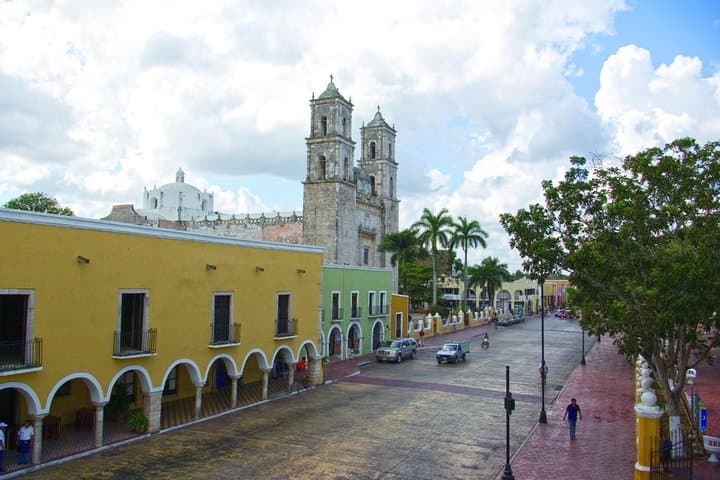
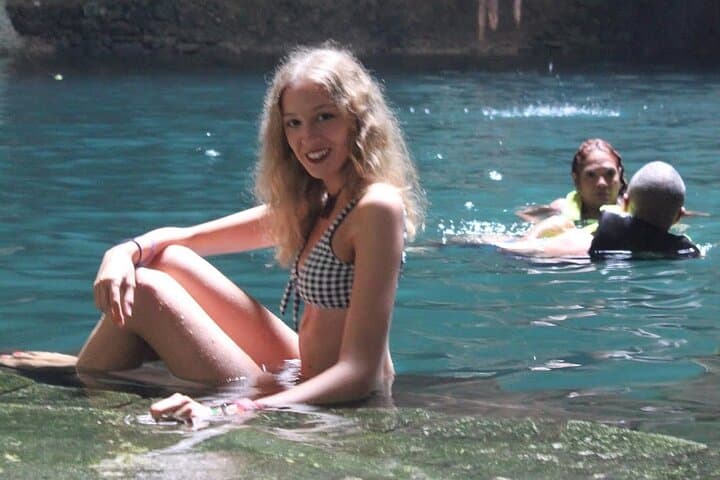
Chichen Itza sits on Yucatán’s exposed limestone shelf where cenotes form when the roof of the limestone aquifer collapses, revealing clear groundwater—sacred sources for the Maya and living veins today. Hubiku’s bowl-like cavity lets a shaft of light cut the water; Ikkil drops you into a verdant sink where vines lean down as if to inspect swimmers. Valladolid, a nearby colonial town, trades understated color and market stalls for cool shade and local dishes.
Practical guidance: this is a long, full-day loop—expect 10–12 hours including transit. Carry cash for preservation taxes and local purchases; the tour often includes a buffet but not the site’s preservation fee. Swimwear and a towel are essential; life vests are mandatory at many cenotes. Wear closed-toe sandals or lightweight hiking shoes for uneven stone at the ruins and wet, slippery steps at cenotes. Protect the water—use reef-safe sunscreen and rinse before entering.
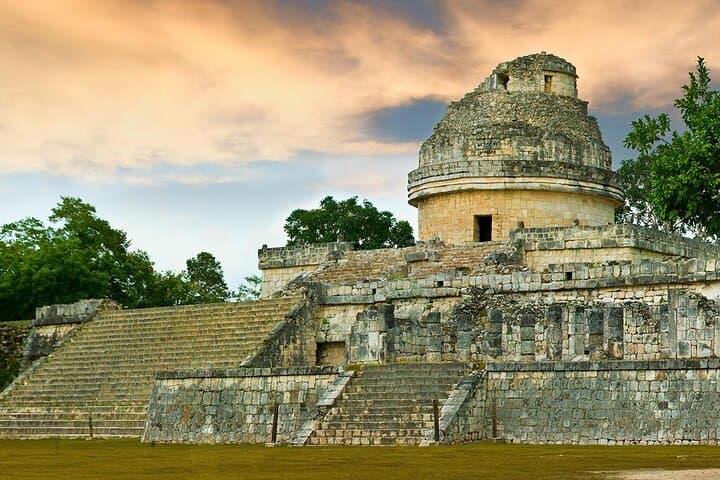
Timing matters: arrive earlier at the archaeological zone to avoid heat and crowds. Hydrate frequently and respect restricted areas—climbing the main pyramid is prohibited, but the site still rewards careful exploration and a practiced eye for carved reliefs and ancient astronomy.
moderate.
12 hours.
Light-to-moderate fitness; comfortable with several hours of walking and short swims
Most tour rates include basic transport and guided entrance, but the official preservation fee (cash) is often not covered—check booking details and bring local currency.
Yes; Hubiku and Ikkil allow swimming and often require life vests—bring swimwear and towel and follow staff instructions.
Expect around 10–12 hours door-to-door depending on pickup location, traffic and time spent at each stop.
The tour is family-friendly but involves walking on uneven ground and stairs; it’s not recommended for those with serious mobility problems or certain medical conditions.
Chichen Itza was a major Maya political and ceremonial center from the Terminal Classic to Postclassic periods, notable for its astronomical alignments and monumental architecture.
Cenotes are groundwater-dependent karst systems—avoid soaps and chemical sunscreens, respect signage, and support local preservation fees that fund protective work.
Altustours operates guided outdoor trips and adventures with an emphasis on safety, stewardship, and memorable experiences.
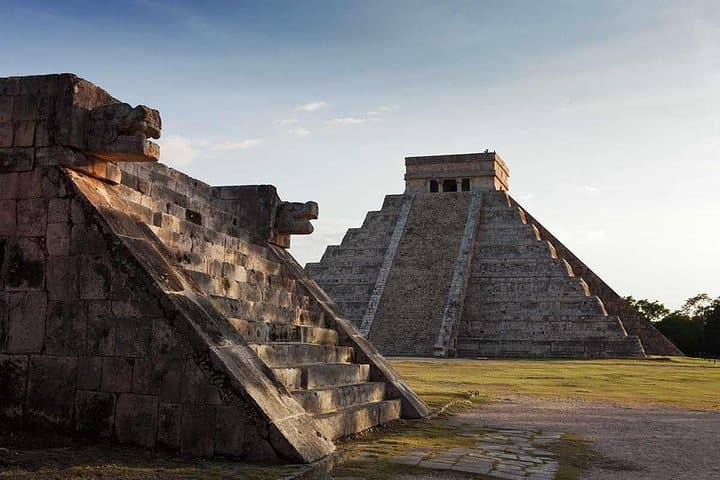
You board an air-conditioned coach before dawn and the highway slides past like a map; by mid-morning the low scrub opens onto a carved plaza where stone angles hold the sun. Kukulcán’s pyramid rises with hard edges and shadowed stairways, the plaza humming with the echoes of ceremonies that once threaded the site.
You board an air-conditioned coach before dawn and the highway slides past like a map; by mid-morning the low scrub opens onto a carved plaza where stone angles hold the sun. Kukulcán’s pyramid rises with hard edges and shadowed stairways, the plaza humming with the echoes of ceremonies that once threaded the site.
Chichen Itza sits on Yucatán’s exposed limestone shelf where cenotes form when the roof of the limestone aquifer collapses, revealing clear groundwater—sacred sources for the Maya and living veins today. Hubiku’s bowl-like cavity lets a shaft of light cut the water; Ikkil drops you into a verdant sink where vines lean down as if to inspect swimmers. Valladolid, a nearby colonial town, trades understated color and market stalls for cool shade and local dishes.
Practical guidance: this is a long, full-day loop—expect 10–12 hours including transit. Carry cash for preservation taxes and local purchases; the tour often includes a buffet but not the site’s preservation fee. Swimwear and a towel are essential; life vests are mandatory at many cenotes. Wear closed-toe sandals or lightweight hiking shoes for uneven stone at the ruins and wet, slippery steps at cenotes. Protect the water—use reef-safe sunscreen and rinse before entering.
Timing matters: arrive earlier at the archaeological zone to avoid heat and crowds. Hydrate frequently and respect restricted areas—climbing the main pyramid is prohibited, but the site still rewards careful exploration and a practiced eye for carved reliefs and ancient astronomy.