THE ADVENTURE COLLECTIVE® · Independent discovery and booking for outdoor travel

A full-day circuit from Tulum that pairs Chichén Itzá’s monumental architecture with swims in two striking cenotes and a walk through colonial Valladolid. Expect a long, accessible day that blends history, geology and regional food.
A full-day circuit from Tulum that pairs Chichén Itzá’s monumental architecture with swims in two striking cenotes and a walk through colonial Valladolid. Expect a long, accessible day that blends history, geology and regional food.
You step off the bus into a dry, sun-warmed plain and the pyramid of Kukulcán looms ahead—stone edges catching light like an ancient calendar. The guide walks you through terraces and sacbeob (white roads), the air carrying a faint tang of wet limestone from the cenotes you’ll visit later.
Verified experiences and guided adventures in the surrounding area.
Operated by Nauticos del Caribe · Piste, Yucatán
You step off the bus into a dry, sun-warmed plain and the pyramid of Kukulcán looms ahead—stone edges catching light like an ancient calendar. The guide walks you through terraces and sacbeob (white roads), the air carrying a faint tang of wet limestone from the cenotes you’ll visit later.
Chichén Itzá was a major Postclassic Maya center; its buildings encode astronomy and ritual, from the ballcourt to the Observatory. Geologically the region is porous karst—underground rivers carve sinkholes that form the cenotes. Ikkil drops you into a cavern where shafts of sunlight meet emerald water; Hubiku presents a wider collapsed chamber, with cool water and a restaurant perched on the rim. Valladolid adds a colonial counterpoint: painted facades, local markets, and Yucatecan cuisine—cochinita pibil and fresh tortillas—wrap up the day.
Expect a long but accessible day—roughly 12–13 hours including travel. Bring swimwear, biodegradable sunscreen, a towel, and cash for the preservation tax at Chichén Itzá. Wear closed-toe shoes for the archaeological site and quick-dry footwear for cenote approaches. Hydrate before arrival and keep a light layer in the morning when the bus departs; the Yucatán heat builds fast.
This trip is equal parts culture and natural wonder—an efficient way to pair one of Mexico’s great archaeological sites with two contrasting cenotes and a stroll through a traditional Yucatecan town.
easy.
12–13 hours.
Suitable for anyone in average physical condition; involves walking on uneven ground and short stairs.
The full-day tour runs about 12–13 hours from Tulum, including transport and stops at two cenotes, Chichén Itzá, and Valladolid.
Admission to Chichén Itzá and the listed cenotes is included on this tour, but the Chichén Itzá preservation tax is typically not included and must be paid on-site in cash.
Yes—both Ik Kil and Hubiku allow swimming; bring a swimsuit and follow local rules including avoiding non-biodegradable sunscreen in the water.
The tour is physically easy but not recommended for travelers with serious spinal or heart conditions or for pregnant visitors; check provider guidelines before booking.
Chichén Itzá rose to prominence in the Late Classic and Postclassic periods; its pyramid of Kukulcán aligns with equinox shadows used for calendrical signaling.
Cenotes are freshwater ecosystems fed by subterranean rivers—visitors should use biodegradable products, avoid bringing plastics into the water, and respect posted site rules to protect fragile habitats.
Nauticos del Caribe operates guided outdoor trips and adventures with an emphasis on safety, stewardship, and memorable experiences.


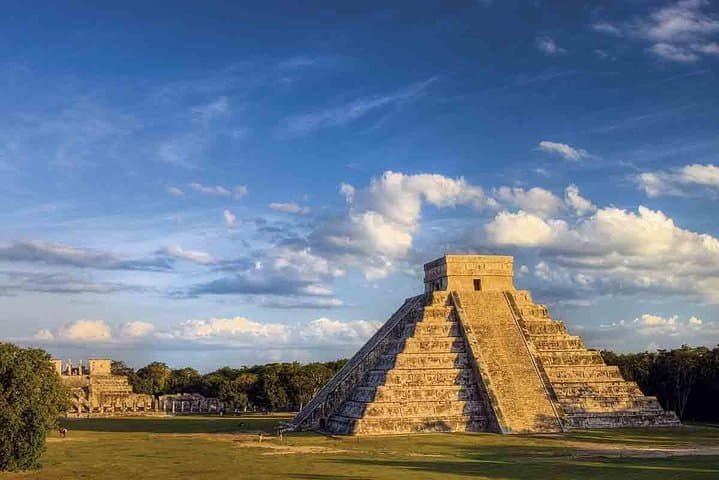

You step off the bus into a dry, sun-warmed plain and the pyramid of Kukulcán looms ahead—stone edges catching light like an ancient calendar. The guide walks you through terraces and sacbeob (white roads), the air carrying a faint tang of wet limestone from the cenotes you’ll visit later.
You step off the bus into a dry, sun-warmed plain and the pyramid of Kukulcán looms ahead—stone edges catching light like an ancient calendar. The guide walks you through terraces and sacbeob (white roads), the air carrying a faint tang of wet limestone from the cenotes you’ll visit later.
Chichén Itzá was a major Postclassic Maya center; its buildings encode astronomy and ritual, from the ballcourt to the Observatory. Geologically the region is porous karst—underground rivers carve sinkholes that form the cenotes. Ikkil drops you into a cavern where shafts of sunlight meet emerald water; Hubiku presents a wider collapsed chamber, with cool water and a restaurant perched on the rim. Valladolid adds a colonial counterpoint: painted facades, local markets, and Yucatecan cuisine—cochinita pibil and fresh tortillas—wrap up the day.
Expect a long but accessible day—roughly 12–13 hours including travel. Bring swimwear, biodegradable sunscreen, a towel, and cash for the preservation tax at Chichén Itzá. Wear closed-toe shoes for the archaeological site and quick-dry footwear for cenote approaches. Hydrate before arrival and keep a light layer in the morning when the bus departs; the Yucatán heat builds fast.
This trip is equal parts culture and natural wonder—an efficient way to pair one of Mexico’s great archaeological sites with two contrasting cenotes and a stroll through a traditional Yucatecan town.