THE ADVENTURE COLLECTIVE® · Independent discovery and booking for outdoor travel

Experience Chichén Itzá’s towering Kukulkan pyramid, swim in the limestone-cooled Cenote Xcajum, and sample Valladolid’s regional flavors on a full-day guided tour. This itinerary pairs archaeology, geology and a refreshing cenote swim—ideal for history lovers and outdoor explorers.
Experience Chichén Itzá’s towering Kukulkan pyramid, swim in the limestone-cooled Cenote Xcajum, and sample Valladolid’s regional flavors on a full-day guided tour. This itinerary pairs archaeology, geology and a refreshing cenote swim—ideal for history lovers and outdoor explorers.
You step off the minibus into a wind that seems to carry voices from a different century—dry, warm, and full of insect-song. The Pyramid of Kukulkan rises ahead, its stepped silhouette cutting the sky; the plaza around it holds the slow shuffle of visitors and the quiet weight of something very old.
Verified experiences and guided adventures in the surrounding area.
Operated by Ni Lo Pienses Tour · Valladolid, Yucatán
You step off the minibus into a wind that seems to carry voices from a different century—dry, warm, and full of insect-song. The Pyramid of Kukulkan rises ahead, its stepped silhouette cutting the sky; the plaza around it holds the slow shuffle of visitors and the quiet weight of something very old.
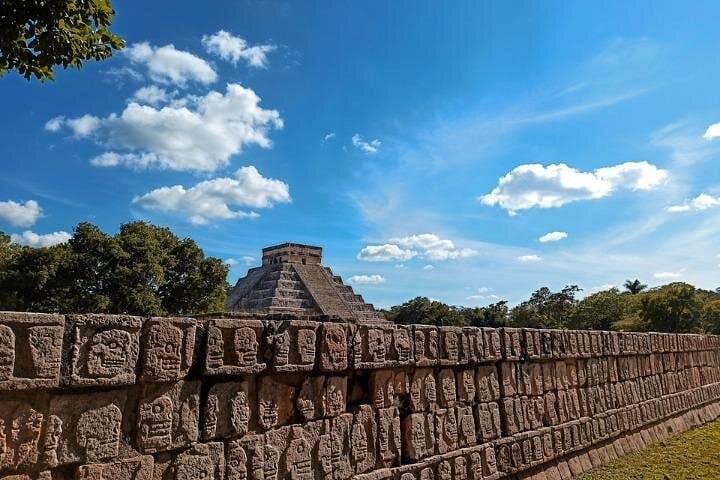
Chichén Itzá was a major Postclassic Maya city where astronomy, ritual and architecture converged. The Kukulkan pyramid functions as a stone calendar and acoustic trick; nearby the Great Ball Court recalls ritual contests that shaped politics and belief across the region. The limestone underfoot is part of the Yucatán’s karst layer—porous ground that feeds sinkholes and the underground rivers that form cenotes.
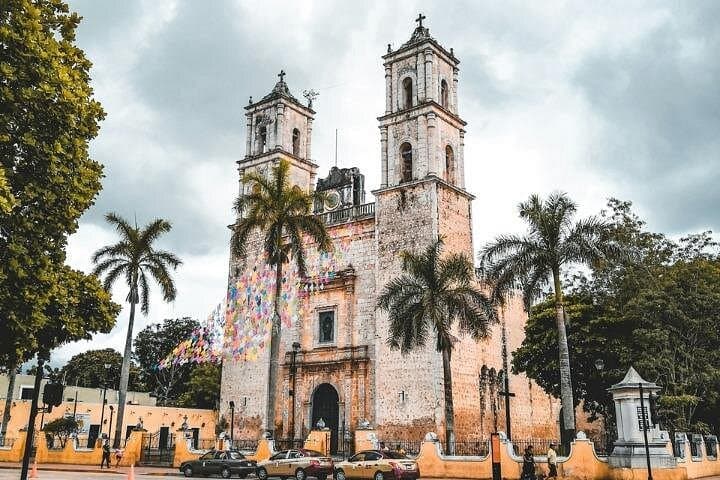
A short drive from the site, Cenote Xcajum offers cool relief: a vertical pool carved by collapsed limestone, its water daring you to swim below halos of light. The colonial town of Valladolid provides a cultural contrast—church bell towers, pastel facades, and regional Yucatecan food that grounds the day in local life.
Practical guidance: expect a full-day schedule (roughly 12 hours), comfortable walking on packed dirt and stone, and periods in full sun. Bring sun protection, a reusable water bottle, and swimwear for the cenote. Guides are INAH certified and usually bilingual; carry local currency for small purchases in Valladolid. If you’re sensitive to crowds, plan a weekday visit or an early start. Respect site rules—no climbing on structures—and treat cenotes with biodegradable sunscreen to protect fragile aquifers. The day balances archaeology, geology and a brisk dip—an efficient introduction to the Yucatán’s layered landscape.
easy.
Approx. 12 hours.
Suitable for most fitness levels; involves 1–2 hours of walking on uneven ground and short swims.
The tour is approximately 12 hours and includes round-trip transfer, INAH-certified bilingual guide, entrance to Chichén Itzá, cenote access, a regional buffet lunch, and a stop in Valladolid.
Yes; the itinerary includes time to swim—follow staff rules about showering and using biodegradable sunscreen before entering the water.
The tour is listed as physically easy and stroller accessible, but archaeological grounds have uneven surfaces and some steps; those with limited mobility should check pickup logistics and on-site accessibility.
Yes; guides are INAH-certified and the tour includes the archaeological zone entrance ticket and cenote access.
Chichén Itzá grew into a major regional center between the 7th and 10th centuries CE; its mix of architectural styles reflects interaction among Maya, Toltec and other Mesoamerican cultures.
Cenotes are part of a fragile groundwater system—use biodegradable products, avoid littering, and follow local guidelines to limit pollution and erosion.
Ni Lo Pienses Tour operates guided outdoor trips and adventures with an emphasis on safety, stewardship, and memorable experiences.
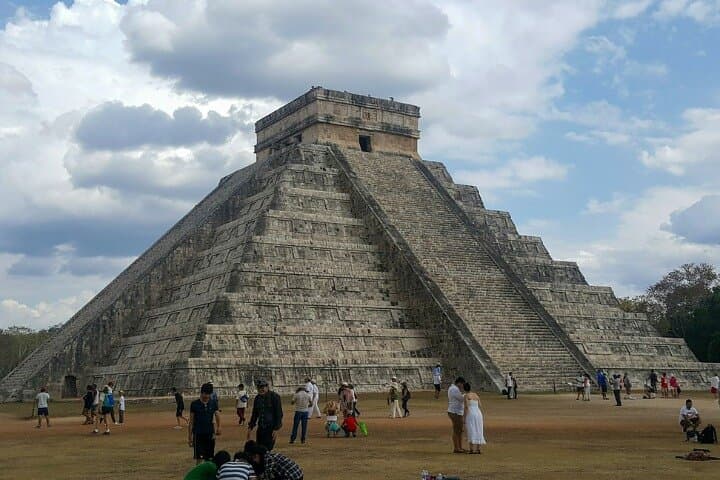
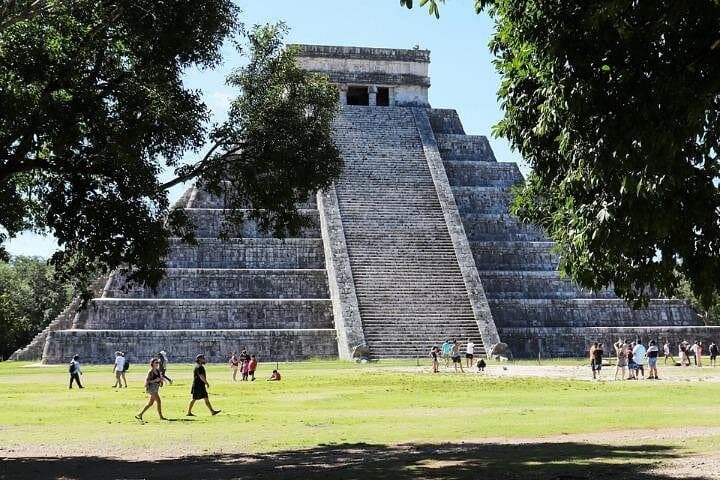
You step off the minibus into a wind that seems to carry voices from a different century—dry, warm, and full of insect-song. The Pyramid of Kukulkan rises ahead, its stepped silhouette cutting the sky; the plaza around it holds the slow shuffle of visitors and the quiet weight of something very old.
You step off the minibus into a wind that seems to carry voices from a different century—dry, warm, and full of insect-song. The Pyramid of Kukulkan rises ahead, its stepped silhouette cutting the sky; the plaza around it holds the slow shuffle of visitors and the quiet weight of something very old.
Chichén Itzá was a major Postclassic Maya city where astronomy, ritual and architecture converged. The Kukulkan pyramid functions as a stone calendar and acoustic trick; nearby the Great Ball Court recalls ritual contests that shaped politics and belief across the region. The limestone underfoot is part of the Yucatán’s karst layer—porous ground that feeds sinkholes and the underground rivers that form cenotes.
A short drive from the site, Cenote Xcajum offers cool relief: a vertical pool carved by collapsed limestone, its water daring you to swim below halos of light. The colonial town of Valladolid provides a cultural contrast—church bell towers, pastel facades, and regional Yucatecan food that grounds the day in local life.
Practical guidance: expect a full-day schedule (roughly 12 hours), comfortable walking on packed dirt and stone, and periods in full sun. Bring sun protection, a reusable water bottle, and swimwear for the cenote. Guides are INAH certified and usually bilingual; carry local currency for small purchases in Valladolid. If you’re sensitive to crowds, plan a weekday visit or an early start. Respect site rules—no climbing on structures—and treat cenotes with biodegradable sunscreen to protect fragile aquifers. The day balances archaeology, geology and a brisk dip—an efficient introduction to the Yucatán’s layered landscape.